


Стоматологічне лікування · Металокерамічна коронка PFM (Porcelain-Fused-to-Metal)
Стоматологічне лікування
Металокерамічна коронка PFM (Porcelain-Fused-to-Metal): Міцність, що дарує усмішку
Металокерамічна коронка PFM (Porcelain-Fused-to-Metal) in Türkiye: Міцна зубна коронка, що поєднує міцність металу з естетикою порцеляни та відновлює.
Автори сторінки


1-2 hr
Тривалість

1-2 days
Відновлення

Лёгкая
Рівень болю

None
Шрами

95-99%
Успішн. %

Local
Анестезія
Що таке Металокерамічна коронка PFM (Porcelain-Fused-to-Metal)?
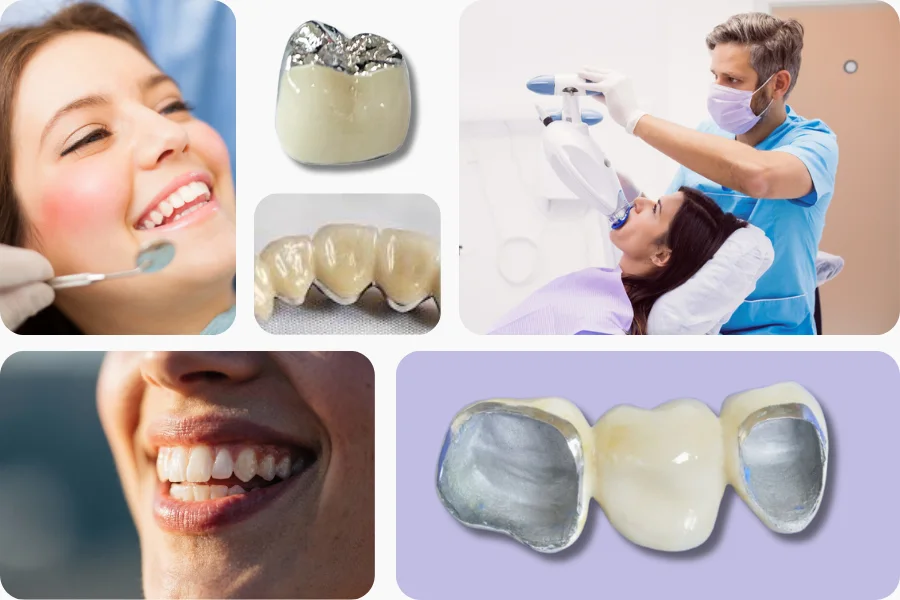
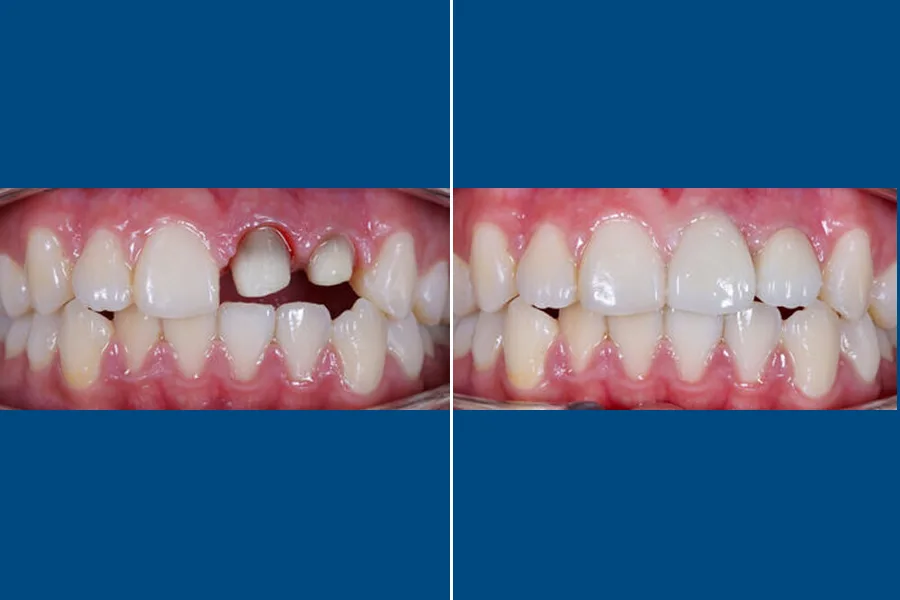
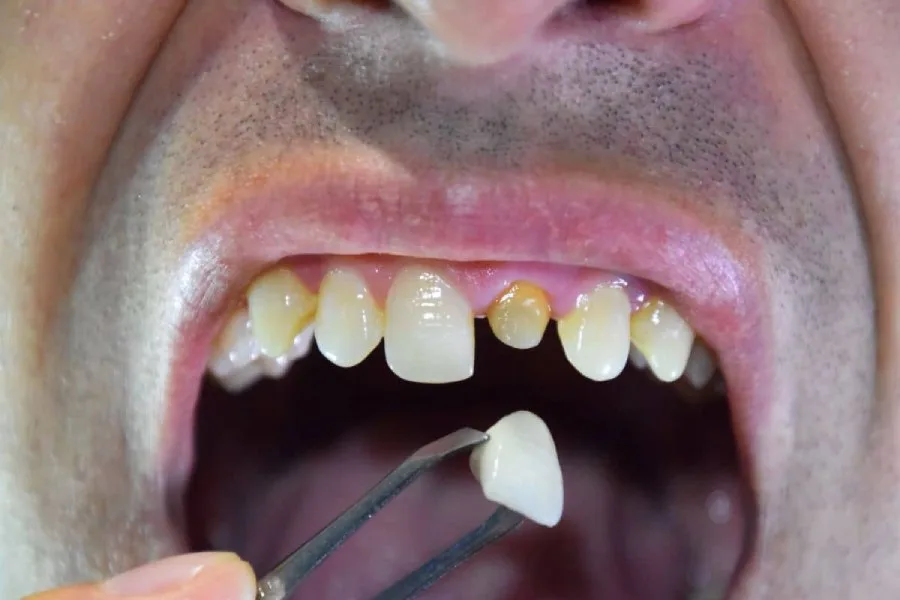
Металокерамічна коронка (PFM, porcelain-fused-to-metal) — це вид зубної коронки, який використовують для відновлення та захисту пошкодженого, ослабленого або значно пломбованого зуба. Вона має міцну металеву основу для довговічності, покриту зовнішнім шаром кераміки кольору зуба для кращого естетичного вигляду. Завдяки такому поєднанню це поширений варіант як для передніх, так і для жувальних зубів, особливо коли важливі міцність і функціональність.
Перед встановленням коронки стоматолог надає зубу потрібну форму та знімає відбитки або виконує цифрове сканування, щоб виготовити коронку індивідуально. Металокерамічна коронка може допомогти відновити зуб після карієсу, перелому, лікування кореневих каналів або великих пломб, а також покращити його форму та прикус. Вона забезпечує як структурну підтримку, так і природний зовнішній вигляд, хоча з часом метал під керамікою іноді може ставати помітним біля лінії ясен.

Для кого підходить Металокерамічна коронка PFM (Porcelain-Fused-to-Metal)?
Металокерамічна коронка (PFM, porcelain-fused-to-metal) підходить людям, яким потрібно відновити пошкоджений або ослаблений зуб, зберігаючи при цьому природний вигляд усмішки. Це лікування часто є хорошим варіантом для:
- Дорослих із зубами, які сильно уражені карієсом, мають тріщини, стерті або ослаблені та потребують повного покриття для захисту й відновлення функції.
- Пацієнтів, які пройшли лікування кореневих каналів і потребують міцної коронки, щоб зміцнити та герметично закрити пролікований зуб.
- Людей, які шукають баланс між міцністю та естетикою, особливо для премолярів або молярів, що видно під час усмішки.
- Тих, хто хоче більш доступну за ціною альтернативу суцільнокерамічним коронкам, водночас зберігаючи зовнішній вигляд зуба природного кольору.
- Пацієнтів, яким потрібно замінити стару коронку або відновити зуб із великою пломбою, яка вже не забезпечує достатньої підтримки.
Металокерамічні коронки найкраще підходять пацієнтам зі здоровими яснами та належною гігієною ротової порожнини, а також тим, хто розуміє, що з часом металева основа може трохи ставати помітною біля лінії ясен.
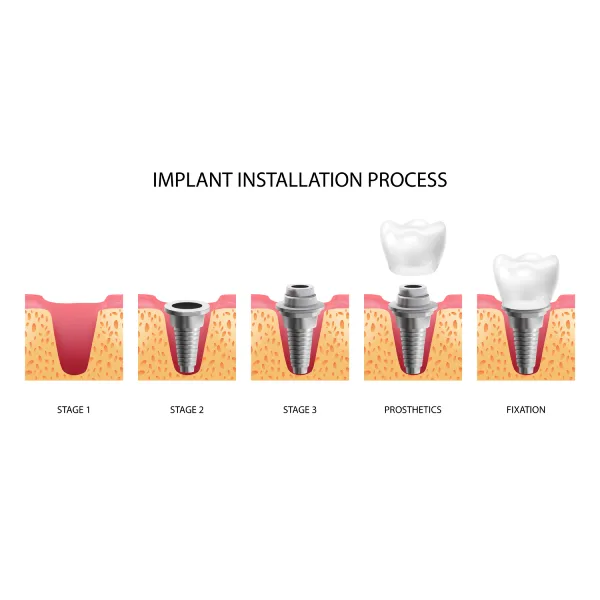
Металокерамічна коронка PFM (Porcelain-Fused-to-Metal) benefits
-
Strong restoration core
-
Proven material option
-
Cost-conscious option
-
Durability planning
-
Reliable fit
-
Aesthetic customization
Як проводиться Металокерамічна коронка PFM (Porcelain-Fused-to-Metal)?
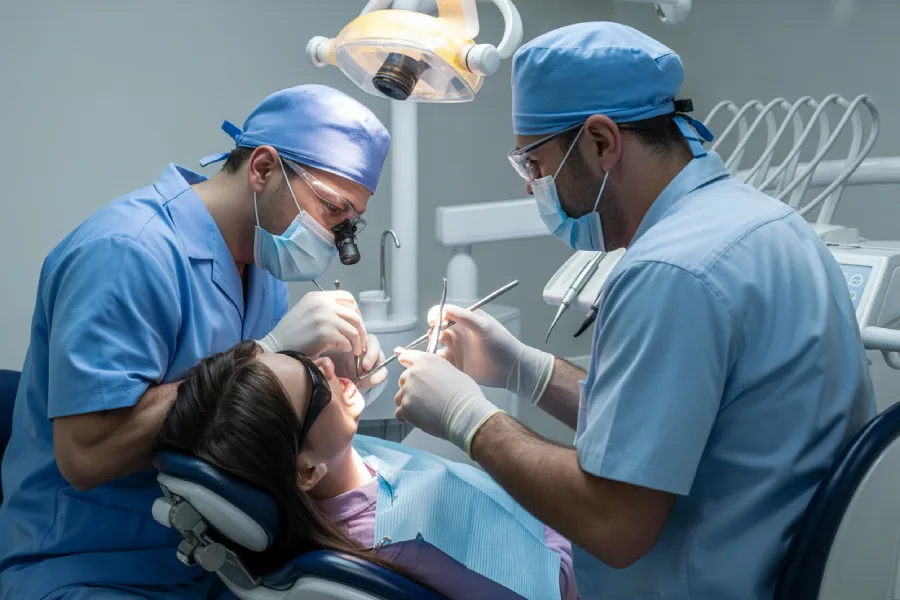
Коронка PFM (металокерамічна коронка) — це незнімна стоматологічна реставрація, яка використовується для відновлення та захисту пошкодженого зуба. Вона має міцний металевий каркас усередині та зовнішній шар порцеляни кольору зуба, що поєднує довговічність із природним зовнішнім виглядом. Коронки PFM часто застосовують для зубів, ослаблених великими пломбами, тріщинами, лікуванням кореневих каналів або значним стиранням. Зазвичай лікування завершується за два візити, хоча деякі клініки можуть коригувати терміни залежно від клінічного випадку.
-
Огляд, рентген і планування лікування
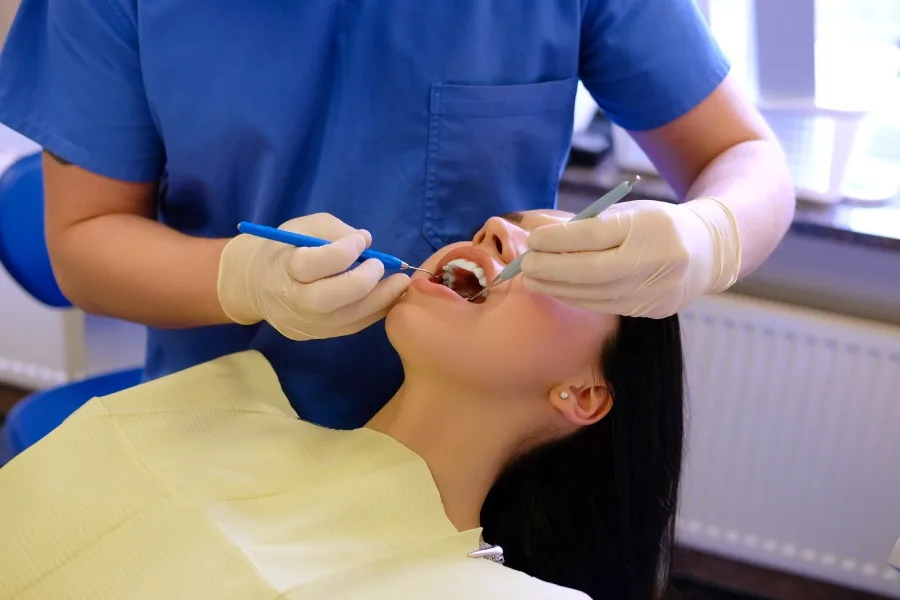
Процес починається з повної стоматологічної оцінки. Стоматолог оглядає зуб, перевіряє стан ясен і виконує рентгенівські знімки або цифрове сканування, щоб оцінити корені, навколишню кістку та будь-який прихований карієс чи інфекцію. На цьому етапі визначають, чи може зуб слугувати опорою для коронки, або ж спочатку потрібне інше лікування, наприклад відновлення пломбувальним матеріалом, лікування ясен чи ендодонтичне лікування.
-
Місцева анестезія та препарування зуба
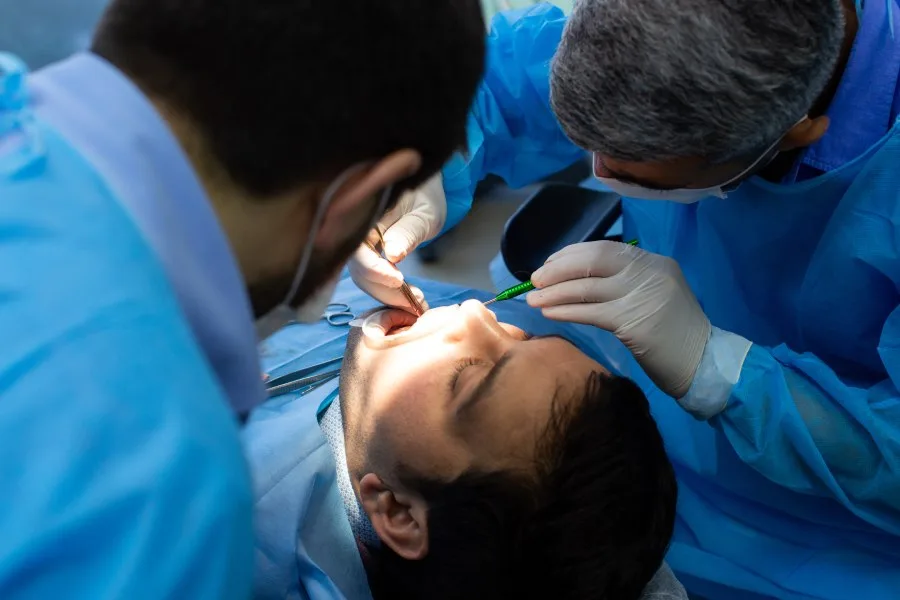
Після підтвердження плану ділянку знеболюють за допомогою місцевої анестезії, щоб процедура проходила комфортно. Потім стоматолог надає зубу потрібну форму, видаляючи контрольовану кількість емалі та, за потреби, частину старого пломбувального матеріалу або ослаблених тканин. Необхідно створити достатньо місця як для металевого каркаса, так і для шару порцеляни, водночас зберігаючи якомога більше здорових тканин зуба.
-
Відновлення культі, якщо зубу потрібна додаткова опора
Якщо зуб втратив занадто багато тканин, перед виготовленням коронки стоматолог може виконати відновлення культі. Це передбачає реконструкцію зуба міцним стоматологічним матеріалом, щоб коронка мала стабільну основу. У зубах після лікування кореневих каналів іноді в канал встановлюють штифт для кращої фіксації культі — залежно від того, скільки власних тканин зуба залишилося.
-
Відбитки, реєстрація прикусу та підбір відтінку
Після препарування стоматолог робить цифрове сканування або традиційні відбитки зуба та сусідніх зубів. Також фіксується прикус, щоб зуботехнічна лабораторія могла виготовити коронку, яка правильно змикатиметься при закриванні рота. Видимий відтінок порцеляни підбирають максимально близько до природного кольору ваших зубів, особливо якщо коронка встановлюється на передній зуб або премоляр.
-
Встановлення тимчасової коронки
Оскільки остаточну коронку PFM зазвичай виготовляють у зуботехнічній лабораторії, наприкінці першого візиту часто встановлюють тимчасову коронку. Така тимчасова реставрація захищає препарований зуб, зменшує чутливість і допомагає зберегти зовнішній вигляд та жувальну функцію, поки виготовляється постійна коронка. Зазвичай рекомендують уникати дуже липкої або твердої їжі до моменту фіксації остаточної коронки.
-
Лабораторне виготовлення коронки PFM
У лабораторії технік створює індивідуальний металевий каркас, який точно прилягає до препарованого зуба. Потім поверх металу наносять шари порцеляни та формують їх так, щоб вони відтворювали природні контури зуба. Коронку запікають за високої температури, щоб з’єднати порцеляну з металом, після чого коригують, полірують і завершують обробку, щоб вона була водночас міцною та естетично прийнятною.
-
Примірка, перевірка прилягання та остаточна фіксація
Під час другого візиту тимчасову коронку знімають і приміряють остаточну коронку PFM. Стоматолог перевіряє прилягання, краї, контакт із сусідніми зубами, прикус і колір. Для покращення комфорту або балансу жування можуть бути виконані незначні корекції. Коли все відповідає вимогам, коронку фіксують на зубі за допомогою стоматологічного цементу, створюючи надійну та довговічну реставрацію.
-
Догляд після процедури, адаптація та контрольний огляд
Після встановлення зуб і навколишні ясна можуть певний час залишатися трохи чутливими, особливо під час накушування або вживання гарячої та холодної їжі. Стоматолог може порадити уникати дуже твердої їжі в перший день і підтримувати чистоту ділянки за допомогою регулярного чищення зубів і використання зубної нитки. Контрольний огляд важливий, якщо прикус здається зависоким або виникає дискомфорт, оскільки невеликі корекції можуть покращити комфорт і допомогти захистити коронку та зуби-антагоністи в довгостроковій перспективі.
Відновлення та очікування?
Відновлення після PFM Crown (металокерамічної коронки) зазвичай проходить без ускладнень, але все ж має поступовий перебіг. Коронка PFM призначена для відновлення пошкодженого, ослабленого або сильно запломбованого зуба шляхом покриття його міцною металевою основою та зовнішнім шаром порцеляни кольору природного зуба. Ваше відновлення може відрізнятися залежно від того, чи потребував зуб значного препарування, лікування кореневих каналів, процедур на яснах або тимчасової коронки до встановлення постійної коронки. Розуміння того, що є нормою, допоможе вам контролювати чутливість, захистити нову коронку та вчасно зрозуміти, коли потрібно звернутися до стоматолога.
-
Негайний догляд після процедури (Перші 24–48 годин)
Після препарування зуба часто виникають легка болючість зуба, чутливість ясен і реакція на гарячу або холодну їжу. Якщо застосовувалася місцева анестезія, губи, щока або язик можуть залишатися онімілими протягом кількох годин, тому краще не жувати, доки чутливість повністю не повернеться. Якщо вам встановили тимчасову коронку, вона може відчуватися трохи інакше, ніж природний зуб, і бути більш крихкою, ніж постійна реставрація. На цьому етапі обирайте м’яку їжу, по можливості жуйте на протилежному боці та уникайте липких продуктів, таких як жувальна гумка або карамель, які можуть послабити тимчасову коронку.
-
Ранній період адаптації (Дні 3–7)
Протягом перших кількох днів будь-яке подразнення після препарування зазвичай починає зменшуватися. Ясна навколо пролікованого зуба все ще можуть виглядати трохи почервонілими або бути чутливими, особливо якщо край коронки розташований близько до лінії ясен. Чутливість до температури також можлива, особливо якщо нерв зуба живий, а до лікування зуб мав глибокий карієс або велику пломбу. Якщо ви носите тимчасову коронку, чистіть зуби обережно, а зубну нитку використовуйте акуратно, витягуючи її вбік, а не різко вгору. Більшість людей можуть продовжувати звичну щоденну активність, але до надійної фіксації постійної коронки варто уникати твердої, хрусткої або дуже липкої їжі.
-
Встановлення постійної коронки та раннє загоєння (1–2 тижні)
Якщо лікування проводиться поетапно, саме в цей період зазвичай приміряють і фіксують постійну коронку PFM. Відразу після встановлення зуб може здаватися трохи стягнутим, зависоким або незвичним під час змикання щелеп. Легка чутливість до тиску або температури може зберігатися ще кілька днів, поки зуб і навколишні тканини адаптуються. Стоматолог зазвичай ретельно перевіряє прикус, оскільки навіть незначний дисбаланс може зробити коронку незручною або спричинити болючість щелепи. Після встановлення постійної коронки ви зазвичай можете повернутися до більш звичного раціону, але все ж розумно уникати прямого кусання дуже твердих продуктів, таких як лід, тверді цукерки або шкаралупа горіхів, поки все остаточно не стабілізується.
-
Період звикання (2–6 тижнів)
Протягом наступних кількох тижнів коронка має почати відчуватися більш природно у роті. Будь-яка залишкова чутливість ясен зазвичай зменшується, а прикус під час жування має стати збалансованим. Деякі пацієнти помічають короткочасну чутливість під час вживання холодних напоїв або кусання твердої їжі, але зазвичай це минає, коли зуб заспокоюється. Якщо до лікування зуб був значно пошкоджений, відновлення може тривати трохи довше. У цей період дотримуйтесь ретельного чищення зубів, щоденного використання зубної нитки та регулярних полоскань, якщо це рекомендовано. Якісне очищення ділянки біля краю коронки важливе, оскільки накопичення нальоту може подразнювати ясна та впливати на довгострокове здоров’я зуба під коронкою.
-
Довготривалий комфорт і догляд (2–3 місяці й надалі)
На цьому етапі більшість пацієнтів відчувають, що коронка повністю інтегрувалася в нормальне жування та мовлення. Тканини ясен мають виглядати здоровішими й більш стабільними, а зуб більше не повинен відчуватися помітно інакше, ніж сусідні зуби. Довгостроковий успіх залежить від належної гігієни ротової порожнини, регулярних стоматологічних оглядів і уникнення звичок, що створюють надмірне навантаження на коронку. Хоча коронки PFM є міцними, порцелянова поверхня все ж може сколюватися під сильним тиском, а підлеглий зуб може знову уражатися карієсом по краях, якщо гігієна недостатня. Якщо ви скрегочете зубами або сильно стискаєте щелепи, стоматолог може порекомендувати нічну капу для захисту як коронки, так і ваших природних зубів.
Why Choose Türkiye for Металокерамічна коронка PFM (Porcelain-Fused-to-Metal)?
Туреччина є добре відомим напрямком для встановлення коронок PFM (металокерамічних коронок), пропонуючи практичний баланс досвідчених стоматологів-ортопедів і реставраційних стоматологів, сучасних зуботехнічних лабораторій та економічно вигідних варіантів лікування. Багато іноземних пацієнтів обирають Туреччину не лише тому, що ціни тут часто доступніші, ніж у багатьох інших країнах, а й тому, що лікування зазвичай можна організувати швидко та ефективно, з чітким плануванням від консультації до остаточної фіксації.
Коронки PFM зазвичай використовуються для відновлення зубів, які ослаблені, мають великі пломби, пройшли ендодонтичне лікування або мають структурні пошкодження. Вони поєднують міцний металевий каркас із зовнішнім порцеляновим шаром, що забезпечує як довговічність, так і природний вигляд. У Туреччині клініки часто починають із детального обстеження, яке може включати цифрові рентгенівські знімки, інтраоральне сканування та оцінку прикусу, щоб визначити, чи є коронка PFM найкращим варіантом. Таке ретельне планування допомагає забезпечити точне прилягання коронки, підтримку жувальної функції та максимально природне поєднання з сусідніми зубами.
- Туреччина надає доступ до досвідчених команд ортопедичної та реставраційної стоматології, які регулярно встановлюють коронки як місцевим, так і міжнародним пацієнтам, приділяючи увагу функціональності, комфорту та естетиці.
- Багато клінік працюють із сучасними системами візуалізації та зуботехнічними лабораторіями, що сприяє точному моделюванню коронок, правильному приляганню та надійному підбору відтінку порцелянової поверхні.
- Значна увага до безпеки пацієнта та планування лікування включає перевірку стану ясен, оцінку опорного зуба та пояснення, чи потрібні попередньо додаткові процедури, такі як ендодонтичне лікування або відновлення кукси зуба.
- Конкурентні ціни роблять коронки PFM доступнішими для багатьох пацієнтів, особливо порівняно з вартістю у Великій Британії, Європі чи Північній Америці, при цьому зберігаючи доступ до клінік із доброю репутацією та якісних матеріалів.
- Завдяки частим міжнародним авіарейсам і добре відомим центрам лікування, таким як Стамбул, Анталія та Ізмір, Туреччина є зручним вибором для пацієнтів, які приїжджають з-за кордону на короткі стоматологічні візити.
- Багато відвідувачів цінують можливість поєднати лікування з комфортним перебуванням і періодом відновлення, які підтримуються сервісом гостинності, багатомовним персоналом у багатьох клініках і сприятливим середовищем для подорожей.
Туреччина здобула міцну репутацію на ринку медичного туризму завдяки досвідченим фахівцям, стоматологічним центрам, орієнтованим на міжнародних пацієнтів, та добре організованим маршрутам лікування для пацієнтів з-за кордону. Щороку країну відвідує велика кількість іноземних пацієнтів, які шукають реставраційне та естетичне стоматологічне лікування, зокрема коронки, мости, імплантати та повну реабілітацію ротової порожнини. Цей успіх підтримується ефективним плануванням візитів, прозорою комунікацією та клініками, які звикли координувати лікування в межах обмежених термінів подорожі. Для пацієнтів, які розглядають лікування коронками PFM, Туреччина вирізняється поєднанням якісної стоматологічної допомоги, доступності та перевіреного досвіду в міжнародному медичному туризмі.
Customize your treatment estimate
Start with Металокерамічна коронка PFM (Porcelain-Fused-to-Metal) selected. Adjust the answers below to refine the average estimate shown above.
Ваш розрахунок з’явиться тут.
Часті запитання про Металокерамічна коронка PFM (Porcelain-Fused-to-Metal)
Наскільки природно виглядає коронка PFM порівняно із сусідніми зубами?

Коронка PFM (металокерамічна коронка)може виглядати досить природно й розроблена так, щоб гармонійно поєднуватися ізсусідніми зубами, особливо якщо стоматолог або зуботехнічна лабораторія ретельно підбирають її колір.
Зовнішнійпорцеляновий шарстворюють так, щоб він імітував колір і форму природного зуба, але внутрішняметалева основаінколи може робити коронку трохи менш прозорою, ніж природна емаль.
- Хороша естетика:коронки PFM зазвичай забезпечують природний вигляд для багатьох передніх і жувальних зубів.
- Підбір кольору:відтінок порцеляни можна підібрати так, щоб він максимально відповідав сусіднім зубам.
- Можливе обмеження:за певного освітлення коронка може виглядати трохи більш матовою, ніж природні зуби.
- Вплив на лінію ясен:з часом у деяких випадках біля ясен може з'явитися ледь помітнатемна лініячерез метал під порцеляною.
Для багатьох пацієнтівкоронка PFMзабезпечує хороший балансестетики та міцності. Якщо зуб розташований у дуже помітній зоні, стоматолог також може обговорити, чи дадуть інші суто керамічні варіанти ще природніший вигляд.
Чи буде коронка PFM відчуватися інакше, ніж природний зуб, у повсякденному житті?
Коронка PFM (металокерамічна)може спочатку відчуватися трохи інакше, ніж природний зуб, але в повсякденному житті більшість пацієнтів швидко звикають до неї та вважають її зручною і функціональною.
Оскільки коронка виготовляється індивідуально з урахуванням вашого прикусу та сусідніх зубів, вона створена так, щоб виглядати природно й забезпечувати нормальне мовлення та жування. Після короткого періоду адаптації багато людей майже не помічають її в щоденному житті.
- Початкове звикання:Вона може відчуватися трохи незвично протягом кількох днів, поки ротова порожнина звикає до нової коронки.
- Жування та мовлення:Добре підігнанакоронка PFMмає дозволяти вам комфортно їсти та говорити.
- Відчуття:Вона не буде відчуватися точно так само, як недоторкнута природна емаль, але має бути стабільною та гладкою.
- Коли варто звернутися до стоматолога:Якщо коронка здається зависокою, незручною або спричиняє чутливість, яка не минає, може знадобитися корекція.
За потреби стоматолог може точно відкоригувати посадку, щоб вашакоронка PFMвідчувалася максимально природно та комфортно.
How durable is a PFM Crown for long-term chewing and daily wear?
PFM crown (porcelain-fused-to-metal) restorations are generally considered durable and reliable for long-term chewing and everyday use. Because they combine a strong metal substructure with a tooth-coloured porcelain outer layer, they can usually withstand normal biting forces well.
With good oral hygiene and regular dental check-ups, a PFM crown can often last around 10 to 15 years or longer, although its lifespan depends on factors such as bite pressure, tooth grinding, diet, and overall oral health.
- Strong for chewing: The metal base provides solid support, making PFM crowns suitable for both front and back teeth.
- Resistant to daily wear: They usually perform well under normal everyday function.
- Possible porcelain chipping: Although durable, the outer porcelain layer can sometimes chip or wear down, especially in patients who grind their teeth.
- Long-term care matters: Good brushing, flossing, and routine dental visits help extend the life of the crown.
If you have habits such as teeth grinding or clenching, your dentist may recommend a night guard to help protect the crown and improve its long-term durability.
Чи може коронка PFM з часом забарвлюватися або змінювати колір?
Коронки PFM (металокерамічні)загаломстійкі до забарвлення, особливо на порцеляновій поверхні, але інколи може здаватися, що вонизмінюють колір з часомз кількох причин.
- Порцеляна стійка до плям:Зовнішній порцеляновий шар зазвичай не вбирає забарвлення так легко, як природні зуби.
- Зношення поверхні:Якщо порцеляна стає зношеною або шорсткою, на ній може накопичуватися більше поверхневого забарвлення.
- Рецесія ясен:З часом ясна можуть відступати й оголюватиметалевий край, через що біля лінії ясен може з'явитися темна смужка.
- Зміни навколо коронки:Забарвлення навколо коронки також може бути пов'язане з накопиченням нальоту, зміною кольору цементу або змінами в навколишньому зубі та яснах.
Отже, хочасама коронка зазвичай не зазнає вираженого забарвлення, її зовнішній вигляд може змінюватися з віком, унаслідок зношення та змін ясен. Належна гігієна ротової порожнини та регулярні стоматологічні огляди допоможуть зберегтикоронку PFMу найкращому стані.
Чи можуть біля ясен з'являтися помітні темні лінії або металеві краї?
У разікоронки PFM (металокерамічної коронки)біля ясен іноді може ставати помітноютемна лінія або металевий край, особливо з часом.
Це відбувається тому, що коронка маєметалеву основупід шаром порцеляни. Якщо ясна трохи відступають або край коронки розташований у помітній зоні, метал може проявлятися яксіра або темна лініявздовж краю ясен.
- Більш помітно на передніх зубах:Це може бути легше побачити в добре видимих ділянках усмішки.
- Менш помітно на задніх зубах:У молярах і премолярах зовнішній вигляд часто має менше значення.
- Рецесія ясен:Відступання ясен з часом може зробити металевий край більш помітним.
- Естетичні альтернативи:Безметалеві керамічніабоцирконієві коронкичасто обирають, коли важливо уникнути темних тіней біля краю ясен.
Якісно виготовленакоронка PFMвсе одно може виглядати дуже природно, але якщо вас особливо турбує естетика в ділянці ясен, стоматолог може порекомендуватибезметалевий варіант.
Скільки візитів до клініки зазвичай потрібно, щоб завершити лікування коронкою PFM?
Лікуваннякоронкою PFM (металокерамічною коронкою)зазвичай потребує2-3 візитів до клініки, залежно від стану зуба та від того, чи потрібні додаткові процедури.
- Перший візит:Стоматолог оглядає та готує зуб, за потреби видаляє карієс або старий пломбувальний матеріал і знімає зліпок або виконує цифрове сканування.
- Другий візит:Готовукоронку PFMприміряють, коригують і фіксують, щойно її буде виготовлено в зуботехнічній лабораторії.
- Можливий додатковий візит:У деяких випадках може знадобитися окремий прийом для консультації, лікування кореневих каналів, відновлення зуба або додаткових корекцій.
Багатьом пацієнтам між візитами встановлюютьтимчасову коронку, щоб захистити підготовлений зуб, поки виготовляється постійна коронка.
Ваш стоматолог зможе точніше оцінити кількість візитів з урахуванням стану зуба, організації роботи клініки та того, чи виготовляється коронка в зовнішній лабораторії, чи за допомогою внутрішньоклінічних технологій.
Якого щоденного догляду та очищення потребує коронка PFM?
Догляд за коронкою PFM (металокерамічною коронкою)зазвичай дуже схожий на догляд за природним зубом. Щоденне очищення важливе для захистукраїв коронки, навколишніх ясен і зуба під коронкою.
Більшості пацієнтів рекомендують щодня дотримуватися стабільної гігієни порожнини рота.
- Чистіть зуби двічі на деньм'якою зубною щіткою та фторвмісною зубною пастою.
- Щодня користуйтеся зубною ниткою, щоб очищати ділянку навколо коронки та вздовж лінії ясен, де може накопичуватися наліт.
- Використовуйте міжзубні щіточки або іригатор, якщо стоматолог рекомендував їх для зручнішого очищення навколо реставрації.
- Полощіть рот ополіскувачем, якщо це рекомендовано, особливо якщо ви схильні до запалення ясен або накопичення нальоту.
- Уникайте жування дуже твердих предметів, таких як лід, ручки або тверді цукерки, оскільки це може пошкодити порцеляну.
Регулярністоматологічні огляди та професійне чищеннятакож важливі, щоб стоматолог міг контролювати стан коронки та переконатися, що навколишній зуб і ясна залишаються здоровими.
Хочакоронка PFMсама по собі не уражається карієсом, природні тканини зуба на краю коронки все одно можуть зазнати проблем, якщо наліт не видаляти належним чином. Якісний щоденний догляд допомагає коронці служити довше та підтримує здоров'я порожнини рота.
Чи є якісь обмеження в їжі або звичках після встановлення коронки PFM?
Після встановленнякоронки PFM (металокерамічної коронки)зазвичай потрібно певний час дотримуватисятимчасових запобіжних заходів, а також уникати деякихдовгострокових звичок, щоб захистити коронку.
У перші кілька днів, особливо якщо у вастимчасова коронкаабо в роті є чутливість, найкраще обиратим'якшу їжуі уникати всього надтотвердого, липкого, а також дуже гарячого чи холодного.
- Уникайте твердих продуктів:лід, тверді цукерки, горіхи та незернені зерна попкорну можуть сколоти порцеляну.
- Уникайте липких продуктів:карамель, жувальна гумка та дуже липкі солодощі можуть послабити тимчасову коронку або створити надмірне навантаження на реставрацію.
- Будьте обережні під час жування:намагайтеся не кусати дуже тверду їжу безпосередньо новою коронкою, особливо одразу після її встановлення.
- Уникайте шкідливих звичок:гризіння нігтів, жування ручок, відкривання пакунків зубами та скреготіння зубами можуть пошкодити коронку.
Після того якпостійна коронка PFMбуде повністю зафіксована і ви до неї звикнете, більшість пацієнтів можуть повернутися до майже звичайного раціону. Однак усе ж варто обмежувати звички та продукти, які з часом можутьспричинити тріщини, відколи або зношенняпорцеляни.
Якщо ви скрегочете зубами вночі, стоматолог може порекомендуватинічну капу, щоб допомогти захистити і коронку, і ваші природні зуби.
Як довго зазвичай служить коронка PFM, перш ніж її може знадобитися замінити?
Коронка PFM (металокерамічна)зазвичай служить близько10-15 років, але заналежної гігієни порожнини ротата регулярних стоматологічних оглядів багато таких коронок можуть служити й довше.
Точний термін служби залежить від таких чинників, якрозташування коронки, сила прикусу, чискрегочете ви зубами, а також від того, наскільки добре ви доглядаєте за зубами та яснами.
- Середній термін служби:часто10-15 років, іноді довше.
- Може потребувати заміни раніше, якщо:кераміка сколюється, стає помітним металевий край, під коронкою розвивається карієс або коронка розхитується.
- Може служити довше за умови:щоденного чищення зубів і використання зубної нитки, уникання дуже твердих продуктів, а також носіння нічної капи, якщо ви стискаєте зуби або скрегочете ними.
Стоматолог буде спостерігати за станом коронки з часом і порекомендує заміну, якщо з'являться ознакизношення, пошкодження, поганого прилягання або карієсунавколо зуба.
Чи легко відремонтувати або замінити коронку PFM, якщо на ній з'явився скол або вона пошкодилася?
Коронку PFM (металокерамічну)іноді можнавідремонтувати, якщо пошкодження незначне, але це залежить від того, наскільки сильно скололасяпорцелянаі чи залишилася неушкодженою основнаметалева конструкція.
Невеликі сколи інколи можна згладити або відновити за допомогоюстоматологічного бондингу, особливо якщо вони розташовані в менш помітній ділянці. Однак більші тріщини або пошкодження, які впливають на прилягання, прикус чи зовнішній вигляд коронки, часто означають, що коронку потрібнозамінити.
- Незначне пошкодження:У деяких випадках може бути відремонтоване безпосередньо в кріслі стоматолога.
- Помірне або значне пошкодження:Часто потребуєнової коронки.
- Оголення металу:Якщо порцеляна скололася настільки, що видно метал під нею, частіше рекомендують заміну як з функціональних, так і з естетичних причин.
- Оцінка:Стоматолог перевірить коронку, зуб під нею та ваш прикус, перш ніж вирішити, чи можливий ремонт, чи потрібна заміна.
Загаломзаміна є відносно простоюдля пошкодженої коронки PFM, але найкращий варіант залежить від ступеня пошкодження та стану опорного зуба.
Clinics offering Металокерамічна коронка PFM (Porcelain-Fused-to-Metal)
Compare verified clinic profiles connected to this treatment.

Пов’язані статті
Гіди та корисна інформація, пов’язані з цим лікуванням.
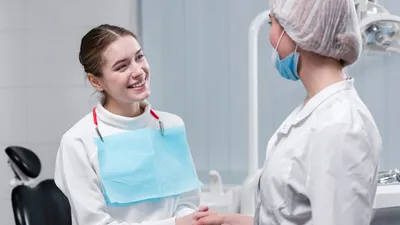
Покроковий посібник з встановлення коронки PFM (металокерамічної) в Туреччині
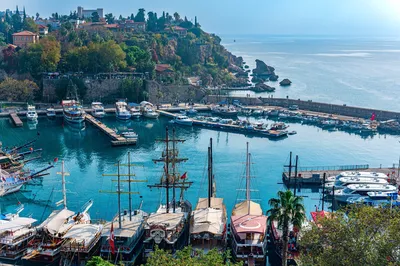
Коли найкраще їхати до Туреччини на стоматологічне лікування?
