Створіть свій
запит на лікування
Створіть свій
запит
на лікування
Заповніть форму менш ніж за 2 хвилини.
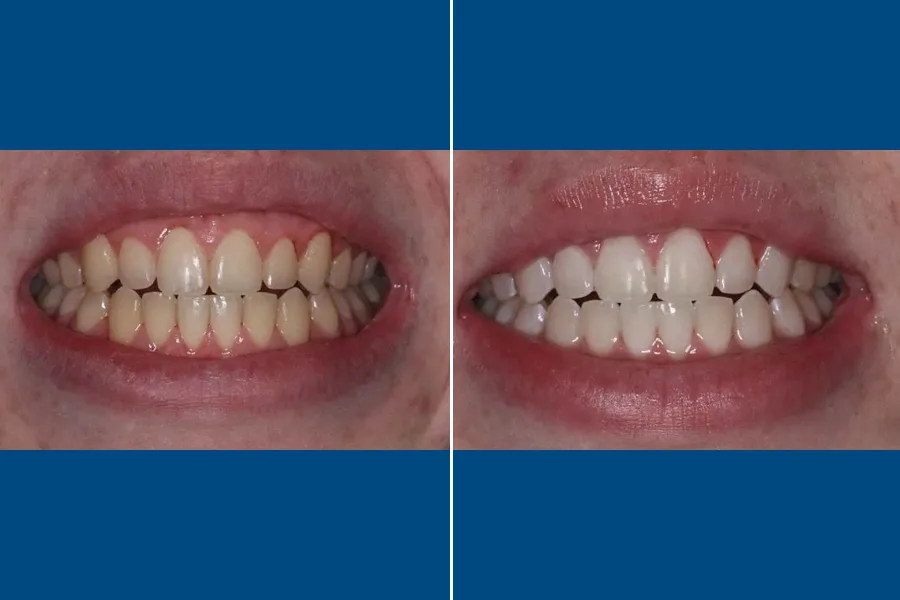
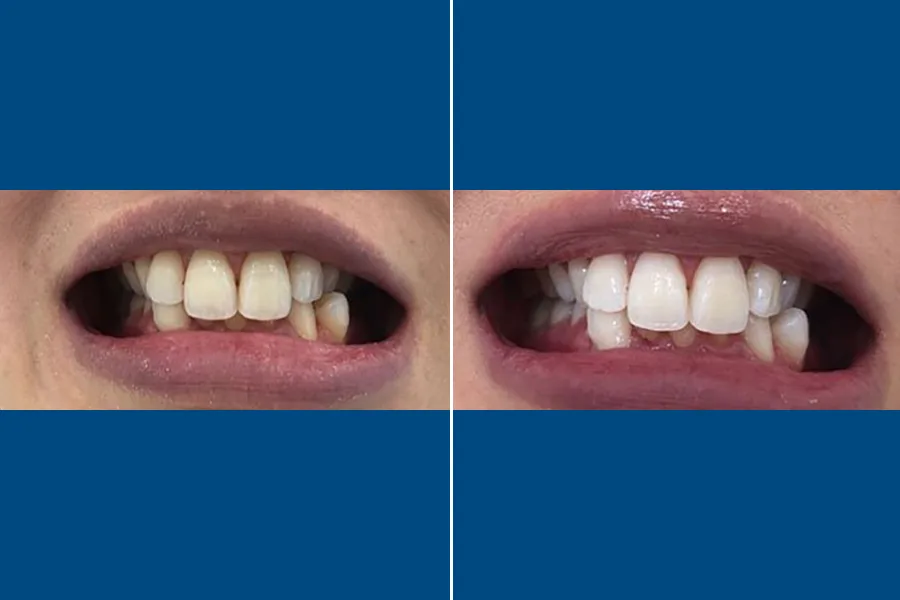
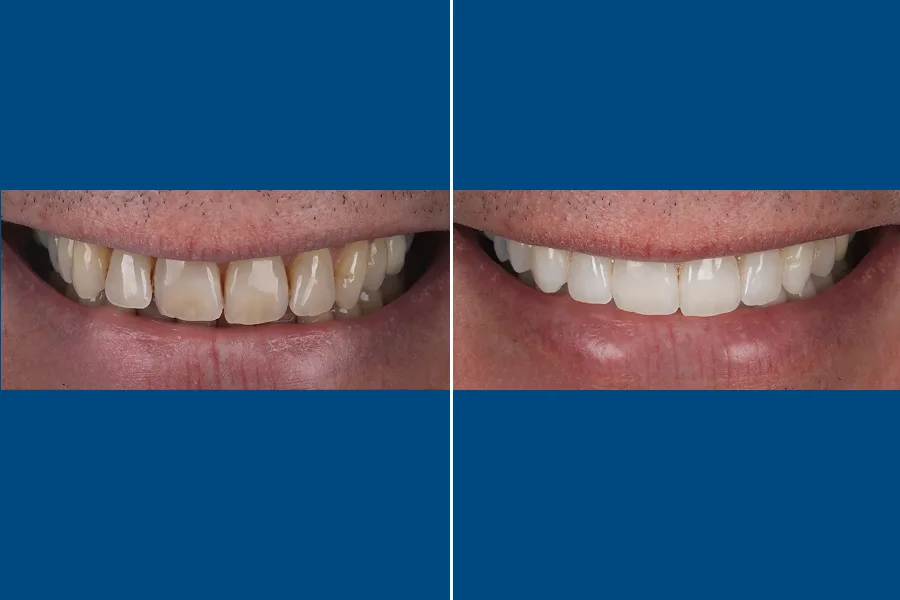
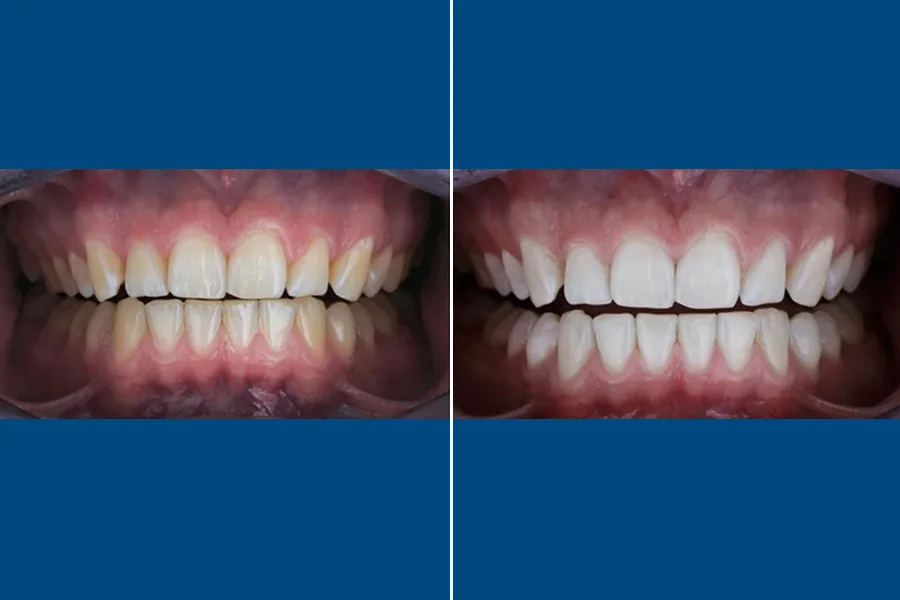
Professional teeth whitening is a cosmetic dental treatment that lightens the natural colour of the teeth and helps reduce staining caused by food, drinks, smoking, and ageing. It is carried out under the supervision of a dentist, using clinically approved whitening agents that are stronger and more controlled than over-the-counter products.
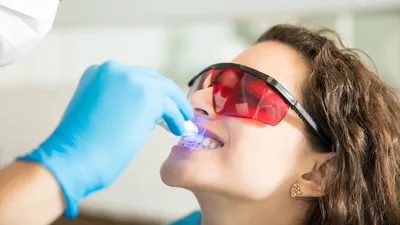
Before treatment, the dentist checks your teeth and gums to make sure whitening is suitable and to identify the type of discolouration present. The procedure may be carried out in the clinic, sometimes with a special light, or with custom take-home trays provided by the dentist. Professional whitening can noticeably brighten the smile while helping to protect the gums and minimise sensitivity through a personalised treatment plan.
Professional teeth whitening is ideal for people who want to brighten their smile safely and effectively under dental supervision. This treatment is particularly suitable for:
Professional whitening may not be suitable for everyone, especially people with untreated cavities, gum disease, severe sensitivity, or certain types of internal tooth discolouration, so a dental assessment is important before treatment.
Professional Teeth Whitening is a cosmetic dental treatment used to lighten the colour of natural teeth and reduce staining caused by food, drinks, smoking, and ageing. It is usually carried out in a dental clinic using a carefully controlled whitening gel, often based on hydrogen peroxide or carbamide peroxide. Compared with over-the-counter products, professional whitening is more precise, more closely monitored, and tailored to your tooth sensitivity, enamel condition, and desired shade.
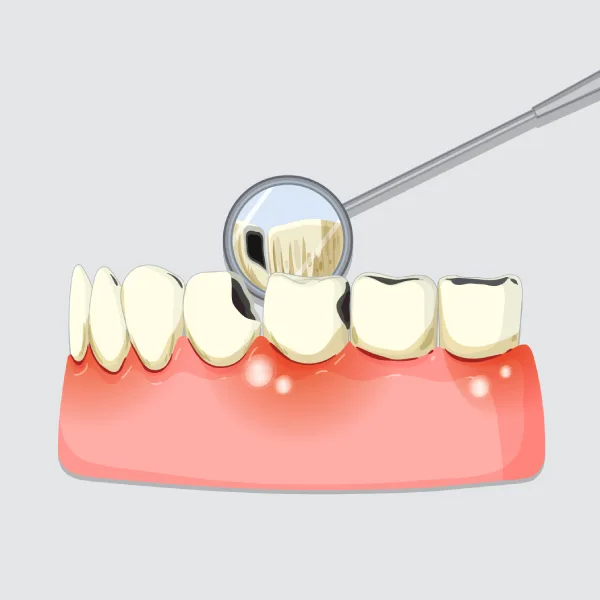
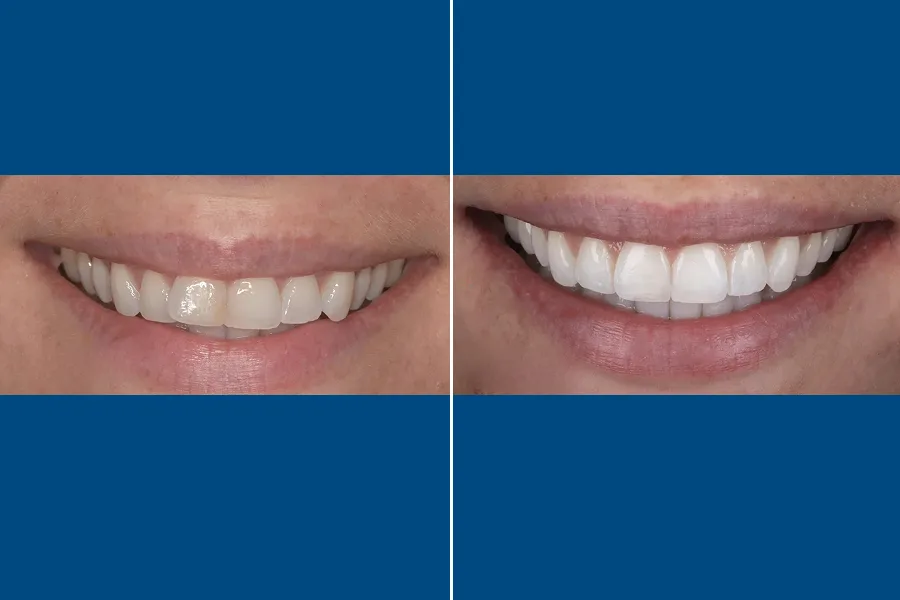
The process begins with a dental consultation to check whether whitening is suitable for you. The dentist examines your teeth, gums, existing fillings, crowns, and overall oral health. Surface stains, internal discolouration, enamel wear, and gum recession are assessed, because these factors can affect the final result. Your current tooth shade is usually recorded so the improvement can be compared after treatment.
Before whitening begins, the teeth are often professionally cleaned to remove plaque, tartar, and superficial staining. This helps the whitening gel come into contact with the enamel more evenly. The dentist or hygienist then dries the teeth and prepares the mouth for treatment. If there are cavities, leaking restorations, or active gum inflammation, these may need to be treated first so whitening can be carried out safely and comfortably.
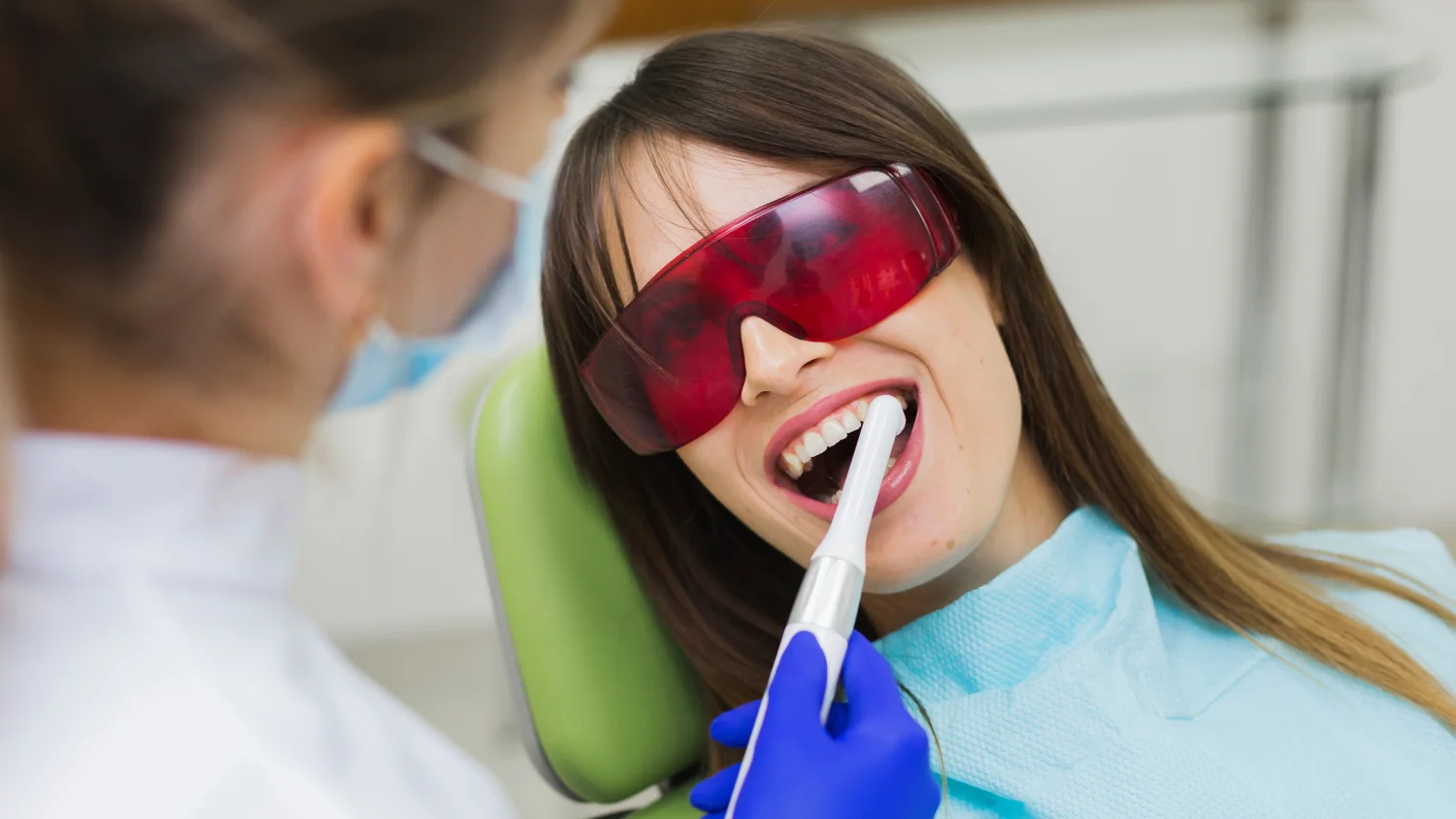
A key part of in-clinic whitening is protecting the lips, cheeks, and gums from the whitening agent. A cheek retractor may be placed to keep the area open and dry. Then a protective barrier or gel is applied over the gums, especially near the gumline, and hardened if needed. This step helps reduce irritation and allows the whitening product to be applied only where it is intended, on the visible tooth surfaces.
Once the teeth are isolated, the dentist applies the whitening gel in a thin, even layer across the front surfaces of the teeth. The active ingredients work by breaking down stain molecules within the enamel and dentine, making the teeth appear lighter. The gel is left on for a controlled period, and depending on the product used, it may be refreshed and reapplied several times during the same visit to gradually build the whitening effect.
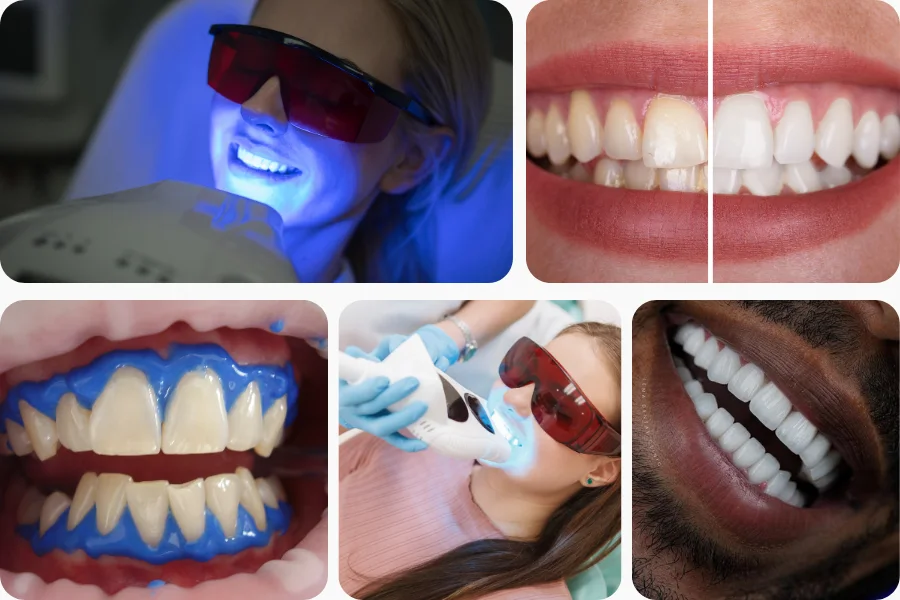
Some whitening systems use a special LED or curing light to support the treatment process. Not all systems require this step, and the benefit can vary depending on the product and technique. During the session, the dental team monitors your comfort, checks the gums, and watches for signs of sensitivity. If needed, the gel can be removed early or adjusted to make the procedure more comfortable while still aiming for a noticeable improvement in shade.
After the final whitening cycle, the gel is thoroughly removed and the teeth are rinsed. The protective gum barrier is taken off, and the dentist compares the new tooth shade with the original one. A desensitising gel or fluoride treatment may be applied if your teeth feel sensitive, which is a common short-term effect after whitening. The dentist also checks whether the result looks even across the smile and discusses whether another session is needed.
After treatment, you are usually advised to avoid strongly coloured foods and drinks, such as coffee, tea, red wine, berries, and tobacco, for at least the first 24 to 48 hours. This is because the teeth can be more prone to picking up stains shortly after whitening. Good brushing, flossing, and regular dental cleanings help maintain the result. In some cases, the dentist may recommend custom take-home trays for future touch-ups, especially if you want to keep the shade stable over time.
Recovery after Professional Teeth Whitening is usually straightforward and much shorter than recovery from invasive dental procedures. Most people are able to return to work, travel, and normal daily activities immediately after treatment. The main short-term effects are typically tooth sensitivity and mild gum irritation, which can happen after in-clinic whitening gels, light-activated systems, or dentist-supervised take-home trays. While the whitening result is often visible straight away, the teeth and gums may need a little time to settle, and the first few days are especially important for protecting the final shade.
It is common to notice temporary sensitivity to cold air, cold drinks, sweets, or brushing soon after whitening. Some patients describe brief "zingers", which are short, sharp sensations in the teeth. If the whitening gel touched the gums or lips, you may also notice mild whitening of the soft tissue, slight tenderness, or minor irritation, but this usually improves quickly. During this period, many dentists recommend avoiding smoking and staying away from strongly coloured foods and drinks such as coffee, tea, red wine, cola, berries, tomato sauce, soy sauce, and curry, because the enamel can be more prone to picking up stains immediately after treatment.
The first few days are when sensitivity is most noticeable, especially if you already had exposed roots, enamel wear, gum recession, or naturally sensitive teeth. For most people, this discomfort is mild to moderate and temporary. Using a desensitising toothpaste, drinking room-temperature water, and avoiding very hot or very cold foods can help. If your dentist provided custom trays for continued whitening at home, they may advise you to pause for a day or reduce wear time if sensitivity becomes troublesome. Even when the teeth feel slightly reactive, this does not usually mean damage has occurred, but it is still important to follow the aftercare plan given by your clinic.
By the end of the first week, sensitivity and gum irritation have usually improved significantly or resolved completely. The tooth colour also begins to settle into its more stable final shade. Some people notice that the teeth look especially bright immediately after treatment, then soften slightly over several days as the teeth rehydrate. This is normal. Continue brushing gently with a soft toothbrush, flossing carefully, and limiting foods that can stain. If you are using take-home whitening trays as part of a longer plan, your dentist may ask you to continue for several nights or over one to two weeks, depending on the starting shade and the result you want.
At this stage, most patients feel fully comfortable again and can eat and drink normally, although it is still wise to be mindful of frequent exposure to staining substances. If whitening was done before another cosmetic treatment, such as bonding, veneers, or crowns, your dentist may wait about one to two weeks before matching the final restoration colour, so the shade has time to stabilise. Patients who complete a series of whitening sessions or tray applications may have a follow-up visit during this period to assess the final result, check for lingering sensitivity, and decide whether any top-up is needed.
Once the early recovery period has passed, there is usually no ongoing healing required. The focus shifts from recovery to maintaining the whitening result. How long the brightness lasts depends on your diet, smoking habits, oral hygiene, and the natural colour of your teeth. Many people keep their results for longer by reducing tobacco use, rinsing after dark drinks, using a straw for iced beverages, and having regular dental cleanings. Some patients benefit from occasional top-up whitening with dentist-approved trays or future in-clinic sessions. Whitening does not permanently prevent new staining, so maintenance is a normal part of long-term care.
Türkiye has become a popular destination for Professional Teeth Whitening, offering a combination of experienced dental professionals, modern whitening systems, and affordable, clearly structured treatment options. For many international patients, the main advantage is not only the lower cost, but also the opportunity to receive treatment in well-equipped clinics with efficient scheduling and short waiting times.
Professional teeth whitening is often chosen by patients who want to improve the brightness of their smile safely and quickly under dental supervision. In Türkiye, clinics usually begin with a detailed dental examination to check for issues such as cavities, gum irritation, enamel wear, or the causes of staining before recommending treatment. Depending on the patient's needs, whitening may be carried out using in-office laser or LED-assisted systems, custom take-home trays, or a combined approach. Many clinics also use digital imaging and shade guides to assess the starting tooth colour and help patients understand what level of whitening is realistic and suitable for their smile.
Türkiye's success in the health tourism market comes from its experienced clinicians, internationally focused clinics, and patient-friendly service structure. The country welcomes large numbers of overseas visitors each year for dental and cosmetic treatments, supported by multilingual communication in many centres, organised appointment planning, and reliable follow-up guidance. For patients considering Professional Teeth Whitening, Türkiye offers a practical balance of quality care, accessibility, and a well-established reputation in international medical travel.
Отримайте індивідуально розраховану середню ціну відповідно до ваших потреб.
Медичний рецензент
Автор
Гіди та корисна інформація, пов’язані з цим лікуванням.
Заповніть форму менш ніж за 2 хвилини.
Пропозиції готують перевірені клініки без розкриття вашої особистої інформації.
Переглядайте прозоре ціноутворення та деталі пакетів поруч.
Записи на прийом, трансфери, проживання та екскурсії містом організовуються для вас.
Отримуйте та порівнюйте пропозиції на лікування від провідних клінік за лічені хвилини — без листа очікування.
Тримайте свій бюджет під контролем завдяки пакетам «усе включено», без прихованих додаткових витрат.
Від бронювання авіаквитків до повного одужання — отримуйте індивідуальний супровід щоразу, коли вам потрібна допомога.
Botan
Персональний менеджер Heal Road
Від першого знайомства
до відновлення
з вами на кожному етапі шляху
Поділіться кількома деталями, і ми зв’яжемося з вами, запропонувавши найкращі варіанти.
Швидкий контакт у WhatsApp