Створіть свій
запит на лікування
Створіть свій
запит
на лікування
Заповніть форму менш ніж за 2 хвилини.
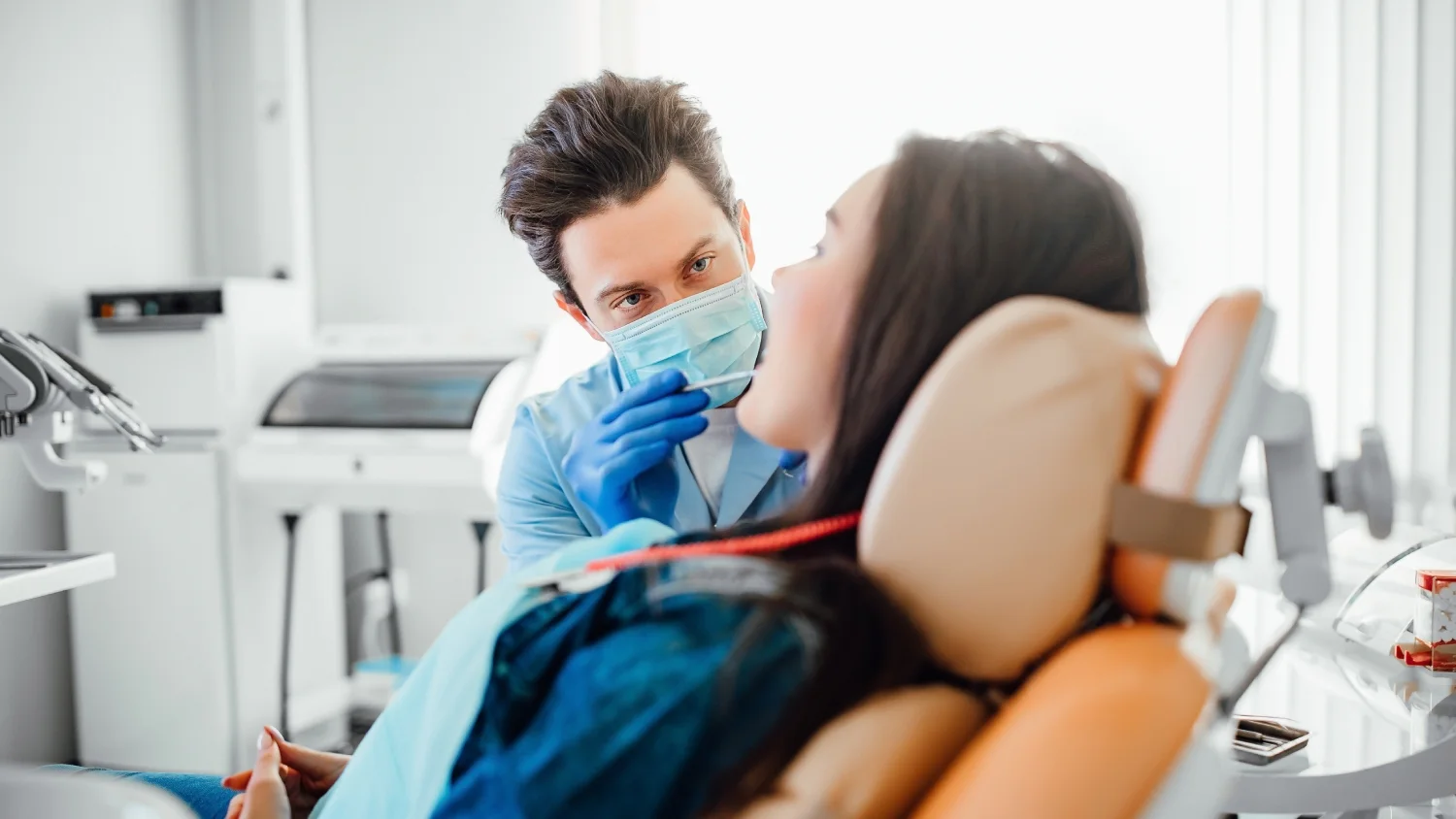
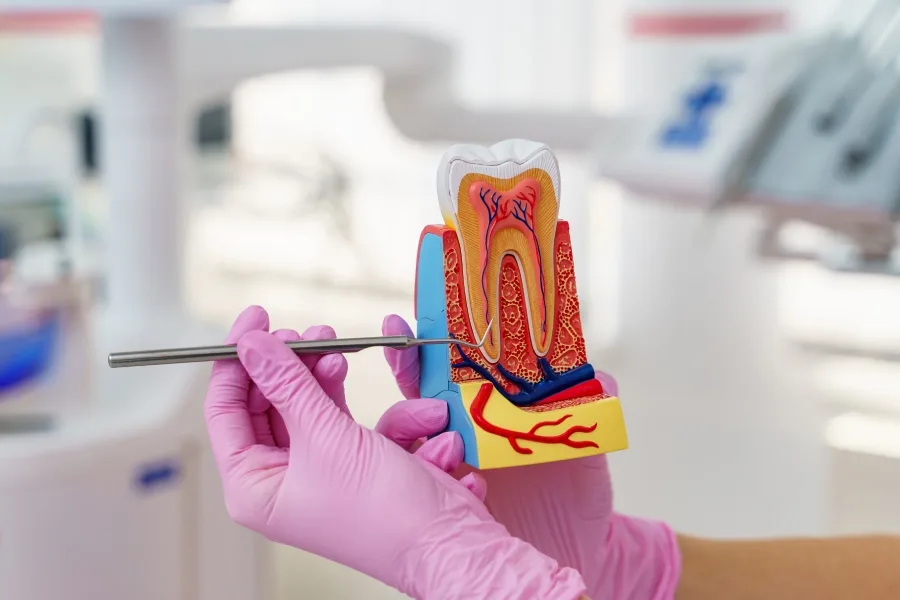
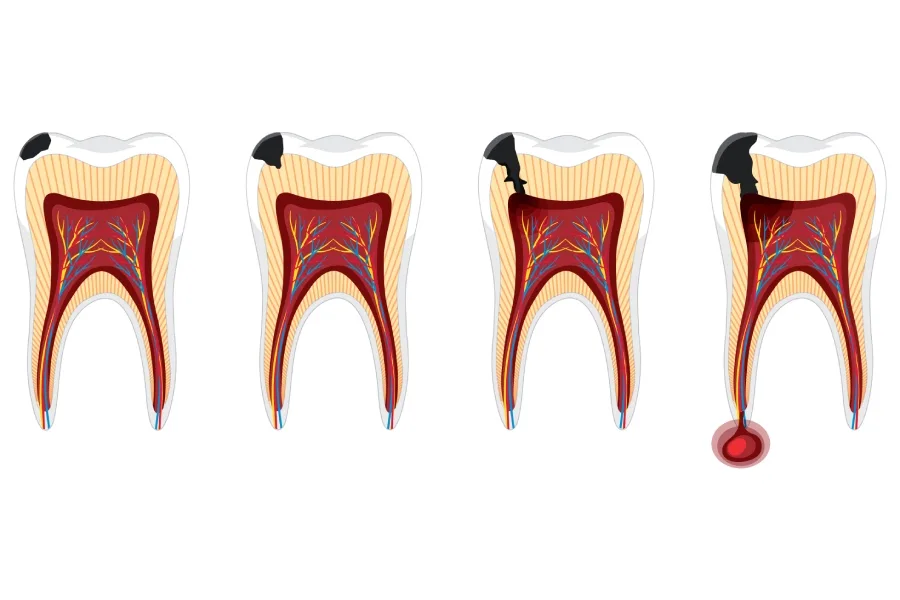
Root canal treatment is a procedure used to save a tooth that has become severely infected, inflamed, or damaged deep inside. The treatment focuses on the soft tissue in the centre of the tooth, called the pulp, which can be affected by deep decay, cracks, repeated dental work, or injury.
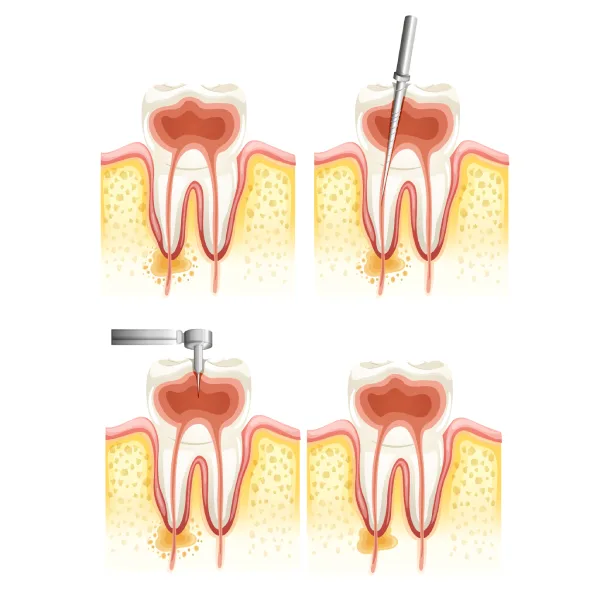
During the procedure, the dentist removes the infected or damaged pulp, carefully cleans and disinfects the inside of the tooth, and then fills and seals the root canals to prevent further infection. In most cases, the tooth is later restored with a filling or crown to protect it and restore normal function. Root canal treatment helps relieve pain, preserve the natural tooth, and avoid extraction whenever possible.
Root canal treatment is suitable for people with a tooth that is badly infected, inflamed, or damaged in the inner pulp, but can still be saved. This treatment is often recommended for:
A dental examination, usually with X-rays, is needed to confirm whether root canal treatment is the right option and whether the tooth can be successfully restored with a filling or crown.
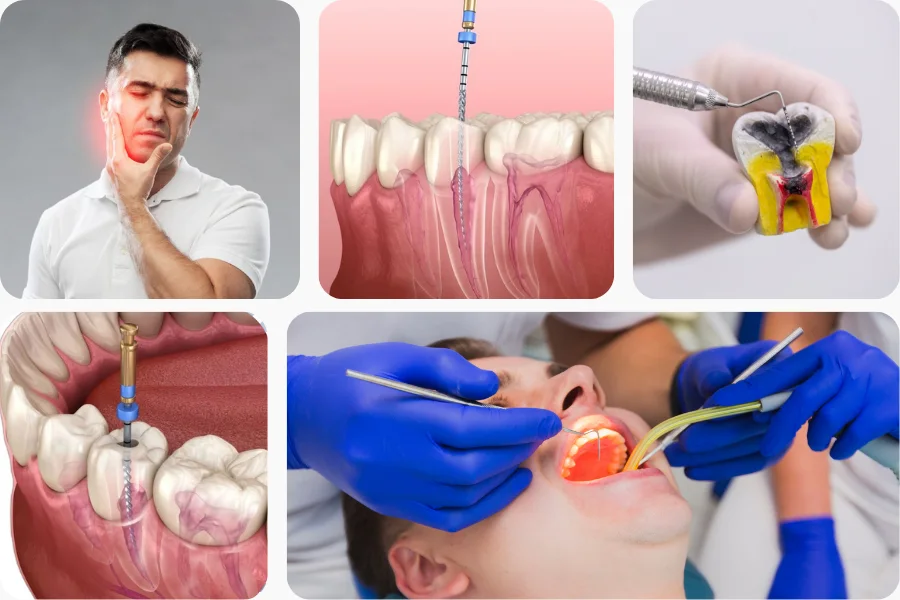
Root canal treatment, also called endodontic treatment, is used to save a tooth when the soft tissue inside it, known as the pulp, becomes inflamed or infected. This can happen because of deep decay, a crack, repeated dental work, or trauma. The procedure involves removing the damaged pulp, carefully cleaning and shaping the inside of the root canals, and then sealing the space to help prevent reinfection. In many cases, the tooth is later protected with a filling or dental crown so it can function normally again.
The process begins with a dental examination to understand the cause of pain, sensitivity, swelling, or discolouration. Your dentist or endodontist reviews your symptoms, checks the tooth, and usually takes dental X-rays to see the shape of the roots and look for signs of infection around the tip of the tooth. In some cases, additional tests are used to check whether the pulp is still healthy or has become irreversibly inflamed. This helps confirm whether root canal treatment is the right option.
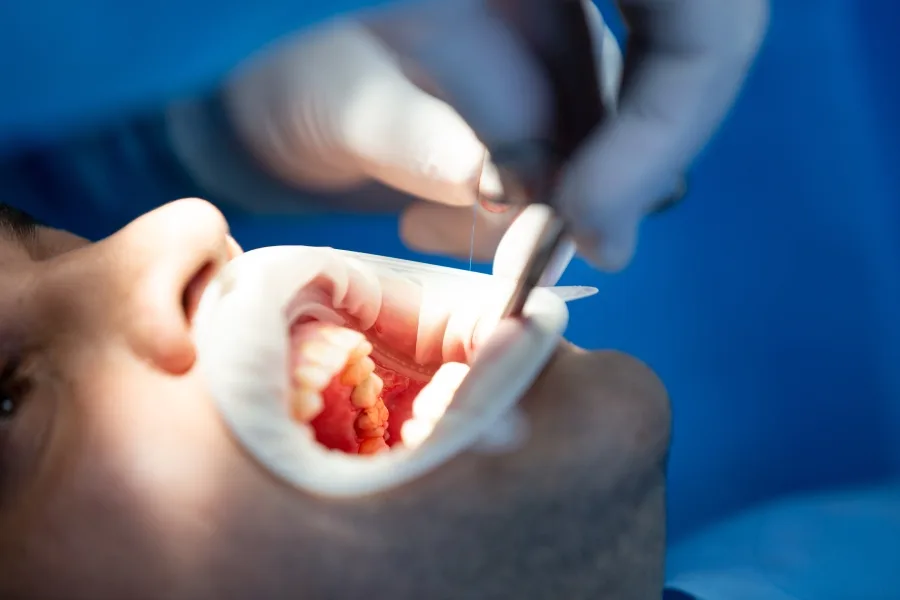
Before treatment starts, the area is numbed with local anaesthesia so the procedure is as comfortable as possible. Once the tooth is numb, the dentist places a rubber dam, a small protective sheet that isolates the tooth from the rest of the mouth. This keeps the area dry, improves visibility, and helps reduce the risk of bacteria from saliva entering the canals during treatment. The tooth and surrounding area are then disinfected and prepared.
The dentist makes a small opening through the top of the tooth, or sometimes from the back in front teeth, to reach the pulp chamber. Using fine instruments, the inflamed or infected pulp tissue is removed from the chamber and from each root canal. If there is decay or old filling material blocking access, this is cleared away first. This step relieves pressure inside the tooth and removes the tissue that is causing pain or infection.
After the pulp is removed, the canals are cleaned and shaped with very small hand or rotary instruments. The dentist measures the length of each canal, often with an electronic apex locator and confirmatory X-rays, to make sure the treatment reaches the correct depth. Throughout this stage, the canals are rinsed with disinfecting solutions to flush out debris and reduce bacteria. Careful shaping is important because it allows the canals to be filled thoroughly and sealed more effectively.
Once the canals are clean and dry, they are filled with a biocompatible material, most commonly gutta-percha, together with a sealing cement. This fills the internal space where the pulp used to be and helps prevent bacteria from re-entering. In some situations, especially if there is significant infection, the dentist may place medication inside the tooth and close it temporarily, with the final filling completed at a later visit. Many root canal treatments, however, can be completed in a single appointment.
After the canals are sealed, the opening in the tooth is closed with a permanent filling or a temporary restoration until the final repair is placed. Because root canal treated teeth can become more brittle over time, back teeth often need a crown to protect them from fracture and restore full chewing strength. Mild soreness for a few days is common and is usually manageable with routine pain relief. Follow-up may include checking your bite, reviewing healing, and taking another X-ray later to confirm that the infection around the root is resolving.
Recovery after root canal treatment is usually more manageable than many people expect. The procedure is designed to remove infected or inflamed tissue from inside the tooth, clean the canals, and seal the space so healing can begin. Most patients are able to return to normal daily activities quickly, but it is still common to have mild soreness, tenderness when biting, or discomfort in the jaw for a few days. Understanding the usual recovery timeline can help you plan eating, travel, work, and follow-up care with realistic expectations.
As the local anaesthetic wears off, you may notice tenderness around the treated tooth, sensitivity when biting, or mild aching in the surrounding gum and jaw. If the tooth was badly infected before treatment, the area may feel bruised or slightly swollen. Most discomfort can be managed with the pain relief recommended by your dentist, often over-the-counter medication unless something stronger is needed on prescription. Avoid chewing on the treated side until the numbness has completely worn off, and take care not to bite your cheek, lip, or tongue while sensation is reduced.
During the first few days, it is normal for the tooth to feel sensitive to pressure, especially when eating. This does not necessarily mean that something is wrong. It often reflects inflammation in the tissues around the root tip, which needs time to settle. If your dentist has placed a temporary filling or temporary crown, the tooth may feel slightly different from your natural bite at first. Many patients can work, travel, and continue routine activities on the same day or the following day, although it is sensible to avoid very hard foods and postpone intense exercise if you feel uncomfortable.
By the end of the first week, most people notice clear improvement. Tenderness when chewing and dull aching usually lessen steadily, and any throbbing pain present before treatment often improves significantly. Continue brushing and flossing gently but thoroughly, unless your dentist gives specific instructions for the temporary restoration. It is important not to ignore the treated tooth just because it feels better. If only a temporary filling has been placed, the tooth may be more fragile than usual, so avoid sticky, crunchy, or very hard foods that could crack it or dislodge the temporary material.
In many cases, root canal treatment is completed in one or two visits, but recovery is not fully complete until the tooth receives its final restoration, often a permanent filling or crown. This step is important because a tooth that has had root canal treatment can become more brittle over time. If a crown is recommended, it is usually fitted after the tooth has settled and your dentist is satisfied that symptoms are improving. During this period, the tooth should feel increasingly normal, although mild sensitivity to pressure can occasionally persist for a short time, especially if there was significant infection before treatment.
Even when you feel comfortable quite quickly, the tissues around the root tip may continue healing for weeks or even a few months. This is especially true if there was an abscess, inflammation in the bone, or a long-standing infection before the procedure. Healing at this stage is often silent, meaning you may not feel anything unusual while the bone and surrounding tissues recover. Follow-up X-rays may be recommended to confirm that the area is healing as expected. Once the final restoration is in place and the bite feels comfortable, most patients return to normal chewing without difficulty.
Türkiye has become a preferred destination for root canal treatment, offering patients a combination of experienced dentists, modern endodontic technology, and more accessible costs than many countries in Europe or North America. For people dealing with severe tooth pain, deep decay, infection, or trauma, timely treatment is important, and many clinics in Türkiye are able to provide prompt appointments and carefully planned care without compromising clinical standards.
Root canal treatment is a precise procedure that focuses on removing infected or inflamed pulp, cleaning the inner canals of the tooth, and sealing them properly to help preserve the natural tooth. Many Turkish dental clinics use digital X-rays, 3D imaging when needed, electronic apex locators, and rotary endodontic systems to improve accuracy during treatment. These tools can help dentists assess the shape of the canals, detect hidden infection, and work more efficiently, which is especially valuable for international patients who want reliable treatment within a limited travel schedule.
Another reason patients choose Türkiye is the practical approach many clinics take to treatment coordination and aftercare. Root canal therapy does not end when the canals are filled, because the long-term outcome also depends on how well the tooth is restored and monitored afterwards. Clinics often explain the importance of placing a permanent filling or crown on time, avoiding excessive pressure on the treated tooth during healing, and returning for follow-up imaging if symptoms persist. This kind of guidance can help patients feel more confident about preserving their tooth in the long term.
For international visitors, communication and organisation also matter. Many dental centres in Türkiye have dedicated international patient teams who assist with appointment scheduling, treatment timelines, and travel planning. This is particularly helpful when a patient needs urgent care for pain or infection and wants a process that feels efficient and well managed. In cases where the tooth cannot be saved, clinics can also discuss alternatives such as extraction and future restorative options, based on a proper clinical examination.
Türkiye's strong position in the global health tourism market is the result of continued investment in private dental clinics, international patient services, and high-volume clinical experience. By welcoming large numbers of health travellers each year, the country has developed a reputation for organised care, modern facilities, and dependable patient support. This success has made Türkiye a trusted choice for patients seeking root canal treatment abroad, especially those looking for a balance of quality, efficiency, and value.
Отримайте індивідуально розраховану середню ціну відповідно до ваших потреб.
Медичний рецензент
Автор
Гіди та корисна інформація, пов’язані з цим лікуванням.
Заповніть форму менш ніж за 2 хвилини.
Пропозиції готують перевірені клініки без розкриття вашої особистої інформації.
Переглядайте прозоре ціноутворення та деталі пакетів поруч.
Записи на прийом, трансфери, проживання та екскурсії містом організовуються для вас.
Отримуйте та порівнюйте пропозиції на лікування від провідних клінік за лічені хвилини — без листа очікування.
Тримайте свій бюджет під контролем завдяки пакетам «усе включено», без прихованих додаткових витрат.
Від бронювання авіаквитків до повного одужання — отримуйте індивідуальний супровід щоразу, коли вам потрібна допомога.
Botan
Персональний менеджер Heal Road
Від першого знайомства
до відновлення
з вами на кожному етапі шляху
Поділіться кількома деталями, і ми зв’яжемося з вами, запропонувавши найкращі варіанти.
Швидкий контакт у WhatsApp