Створіть свій
запит на лікування
Створіть свій
запит
на лікування
Заповніть форму менш ніж за 2 хвилини.
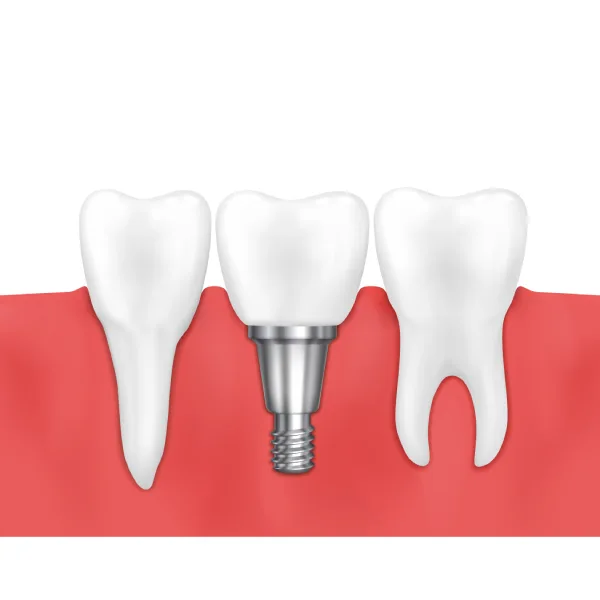
Jednostruki zubni implantat je dugoročno rješenje za nadoknadu jednog izgubljenog zuba bez utjecaja na zdrave zube pokraj njega. Zahvat uključuje postavljanje malog titanskog nosača u čeljusnu kost, gdje on djeluje poput umjetnog korijena zuba. Nakon cijeljenja, na implantat se postavlja individualno izrađena zubna krunica, oblikovana tako da odgovara obliku i boji vaših prirodnih zuba.
Jedan implantat pomaže obnoviti izgled, funkciju žvakanja i govor, a istodobno podupire čeljusnu kost na mjestu izgubljenog zuba. Obično se preporučuje kada je zub izgubljen zbog karijesa, ozljede ili bolesti desni, a okolna kost je dovoljno zdrava da može poduprijeti implantat.
Single dental implant is best suited to people who are missing one tooth and want a long-term replacement that looks, feels, and functions like a natural tooth. This treatment is particularly suitable for:
A dental examination, together with X-rays or 3D imaging, is needed to confirm whether a single implant is the right and safe option.
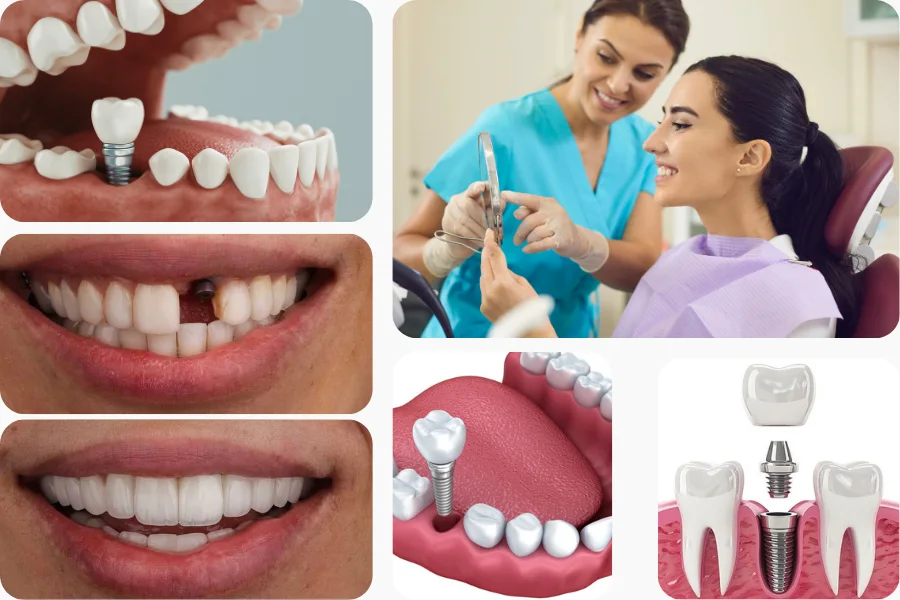
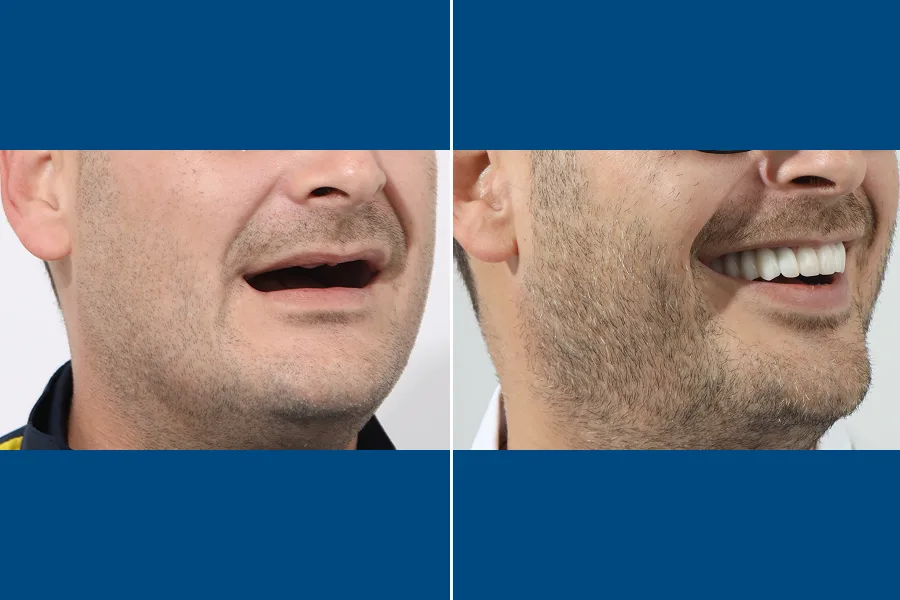
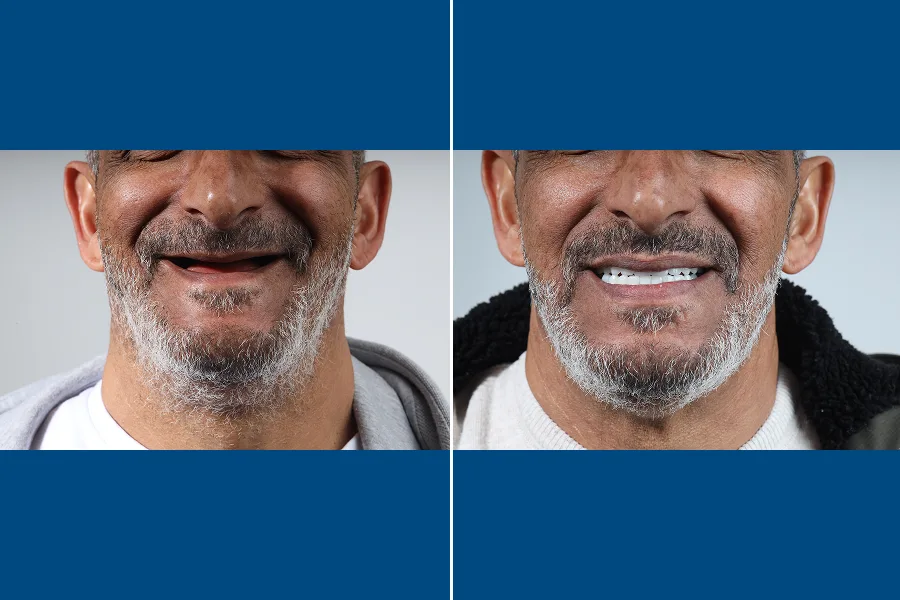
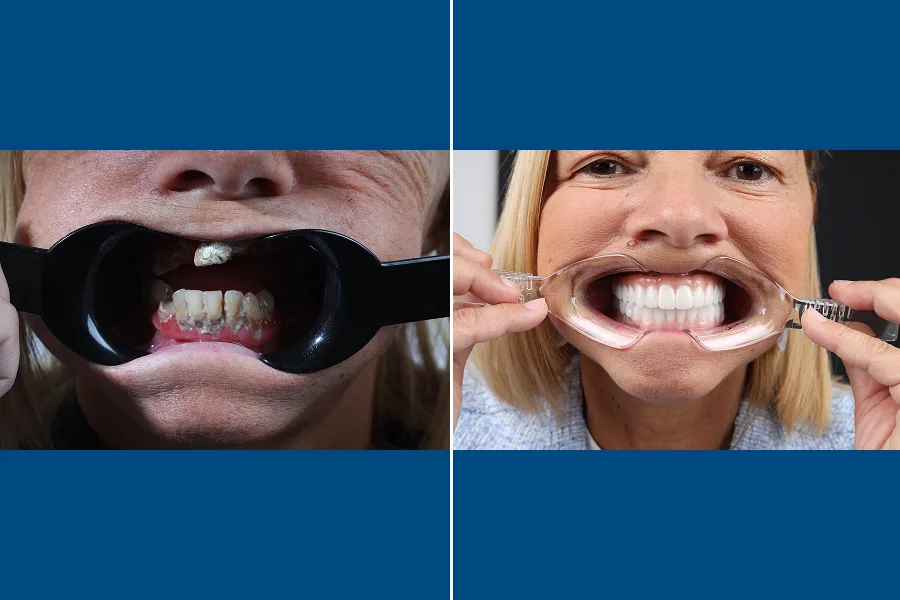
Single Dental Implant is a treatment used to replace one missing tooth with an artificial root and a custom-made crown. The implant itself is usually a small titanium or ceramic post placed into the jawbone, where it acts like the root of a natural tooth. After healing, a connector and crown are attached to restore the appearance and function of the missing tooth. A single implant is often chosen because it can replace a tooth without grinding down the neighbouring teeth, as is often required with a traditional bridge.
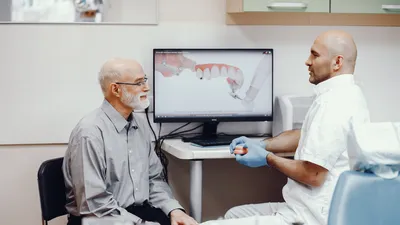
The process begins with a detailed dental assessment. Your dentist or implant specialist reviews your medical history, examines your gums and bite, and checks the area where the tooth is missing. Dental X-rays and often a 3D CBCT scan are used to assess bone height, width, and density, and to identify nearby structures such as nerves or the sinus. This planning stage helps determine whether an implant can be placed immediately or whether additional steps, such as bone grafting or gum treatment, are needed first.
If the tooth is still present but damaged beyond repair, it is carefully removed. In some cases, the implant can be placed at the same appointment, while in others the site is allowed to heal first. If there is infection, bone loss, or not enough healthy tissue, the dentist may recommend bone grafting or socket preservation to rebuild support for the future implant. The timing depends on the condition of the bone and gums, as well as the position of the missing tooth.
On the day of surgery, the area is numbed with local anaesthesia, and some patients also choose sedation for additional comfort. The dentist makes a small opening in the gum, or in selected cases uses a flapless technique, to reach the bone. A precise channel is prepared using specialised drills, and the implant post is inserted into the jaw in the planned position and angle. The stability of the implant is checked carefully, because this affects healing and whether a temporary tooth can be placed soon afterwards.
After the implant is placed, the gum is either closed over it with a small cover screw or shaped around a healing cap that remains visible above the gumline. The choice depends on the implant system used and the treatment plan. If stitches are needed, they are usually small and removed later or dissolve on their own. You will receive instructions about eating, brushing, and avoiding pressure on the area. Mild swelling, tenderness, and temporary discomfort are common in the first few days and are usually manageable with prescribed or over-the-counter medication.
Over the next 2 to 6 months, the implant bonds with the surrounding bone in a process called osseointegration. This step is essential because it creates the stable foundation needed to support the final crown. During this healing period, your dentist monitors the implant and the health of the gums with follow-up visits. In visible areas, a temporary tooth may sometimes be worn for appearance, but it is designed to avoid excessive force on the implant while integration takes place.
Once healing is complete, the implant is uncovered if necessary and a small connector called an abutment is attached. Digital scans or impressions are then taken so the dental laboratory can create a custom crown that matches the shape, colour, and bite of your natural teeth. At the final visit, the crown is secured to the implant, either with cement or a small screw, and the dentist checks the fit and bite carefully. The result is a replacement tooth that is designed to look natural, feel stable, and allow normal speaking and chewing.
Recovery after a single dental implant usually happens in stages, beginning with healing of the gum and bone around the implant site, followed by placement of the final crown once the implant is stable. Many patients are pleasantly surprised that the early recovery is often manageable, especially when only one tooth is being replaced. Still, it is important to understand that while day-to-day discomfort improves fairly quickly, the deeper healing process takes longer and plays a major role in the long-term success of the implant.
In the first couple of days, it is normal to have mild to moderate soreness, slight swelling, and a small amount of bleeding or oozing from the implant area. If a tooth was removed at the same time or bone grafting was carried out, these symptoms may be a little more noticeable. Your dentist may recommend pain relief, an antimicrobial mouth rinse, and cold compresses to help control swelling. During this period, eat soft foods, avoid chewing directly on the treated side, and do not smoke, drink alcohol excessively, or rinse forcefully unless your care team advises otherwise.
Swelling often peaks around the second or third day and then gradually settles. The gum tissue begins to close and strengthen, and tenderness usually becomes easier to manage. If stitches were placed, they may dissolve on their own or be removed at a follow-up appointment. Most people can return to normal daily routines or desk work within 1 to 3 days, although strenuous exercise is often best postponed for several days. Gentle brushing around the area and careful oral hygiene are important, but you should still avoid putting pressure on the implant site while the tissues are healing.
Once the initial soreness fades, recovery becomes less visible but no less important. During this stage, the implant begins the process of osseointegration, meaning the surrounding bone gradually bonds to the implant surface. You may feel mostly back to normal, but the implant is still healing beneath the gum. It is important to follow dietary advice, especially if your dentist has placed a temporary tooth or healing cap. Hard, crunchy, or sticky foods can place unnecessary stress on the area. If a bone graft was done, healing may take a little longer and follow-up appointments become especially important.
The timing of the next step depends on where the implant was placed, your bone quality, and whether grafting or extraction was involved. In many cases, the implant is left to heal for about 2 to 4 months before the final restoration phase begins. Once your dentist confirms that the implant is stable, an abutment may be attached and impressions or digital scans are taken for the permanent crown. Some patients notice mild gum tenderness for a few days after this stage, but it is usually much easier than the original implant placement.
Many patients receive their final crown within 3 to 6 months of implant placement, although some cases are quicker and others take longer. Once the crown is fitted, the tooth usually feels more natural in terms of chewing and appearance. A short adjustment period is common as you get used to the bite and shape of the new tooth. Long-term recovery then becomes a matter of maintenance, including excellent brushing, flossing or interdental cleaning, routine dental check-ups, and avoiding habits such as smoking or clenching that can affect implant health over time.
Turkey is a popular choice for single dental implant treatment because it brings together experienced implant dentists, modern diagnostic technology, and more accessible pricing than many patients find in the UK, Europe, or North America. For people replacing one missing tooth, the goal is not only to fill the gap, but also to restore chewing function, protect the surrounding bone, and achieve a natural appearance. Many clinics in Turkey offer a structured treatment journey that helps international patients feel informed, prepared, and well supported from consultation through recovery.
A single implant may seem straightforward, but successful treatment depends on careful planning. The dentist needs to assess bone density, gum health, the position of nearby teeth, and the bite before placing the implant. In Turkey, many clinics use 3D CBCT scans, digital intraoral scanning, and detailed treatment planning software to evaluate the area with precision. This is especially important when the missing tooth is in the aesthetic zone, where the angle, depth, and final crown shape all affect the result. If bone loss or gum recession is present, patients can also be advised about procedures such as bone grafting or soft tissue support when clinically needed.
Another reason patients choose Turkey is the attention many clinics give to both function and appearance. A single implant should blend naturally with the smile and feel stable during everyday use. This means the shade, contour, and fit of the final crown are just as important as the implant itself. Clinics that work with digital dentistry and experienced dental laboratories can often support more precise crown design, especially for visible teeth. Patients also benefit from guidance on oral hygiene, healing timelines, and follow-up care, which are all important for long-term implant success.
Turkey's strong position in the global health tourism market is one of the main reasons international patients feel confident seeking dental care there. The country has invested heavily in private healthcare facilities, international patient coordination, and high-volume clinical experience across many specialties, including implant dentistry. With millions of health travellers choosing Turkey over the years, the country has built a reputation for organised care, modern clinics, and reliable patient support. This continued success in health tourism makes Turkey a trusted option for patients considering single dental implant treatment abroad.
Отримайте індивідуально розраховану середню ціну відповідно до ваших потреб.
Медичний рецензент
Автор
Гіди та корисна інформація, пов’язані з цим лікуванням.
Заповніть форму менш ніж за 2 хвилини.
Пропозиції готують перевірені клініки без розкриття вашої особистої інформації.
Переглядайте прозоре ціноутворення та деталі пакетів поруч.
Записи на прийом, трансфери, проживання та екскурсії містом організовуються для вас.
Отримуйте та порівнюйте пропозиції на лікування від провідних клінік за лічені хвилини — без листа очікування.
Тримайте свій бюджет під контролем завдяки пакетам «усе включено», без прихованих додаткових витрат.
Від бронювання авіаквитків до повного одужання — отримуйте індивідуальний супровід щоразу, коли вам потрібна допомога.
Botan
Персональний менеджер Heal Road
Від першого знайомства
до відновлення
з вами на кожному етапі шляху
Поділіться кількома деталями, і ми зв’яжемося з вами, запропонувавши найкращі варіанти.
Швидкий контакт у WhatsApp