


Стоматологічне лікування · Лікування скреготу зубами (бруксизму)
Стоматологічне лікування
Лікування скреготу зубами (бруксизму): Захистіть свою усмішку
Дізнайтеся про лікування бруксизму у Туреччині, яке допомагає захистити зуби, зменшити напруження щелепи та покращити сон.
Автори сторінки


Local
Анестезія

30-60 хв
Тривалість

1-2 d
Відновлення

Mild
Рівень болю

1 day
Повернення

80-90%
Успішн. %
Що таке Лікування скреготу зубами (бруксизму)?
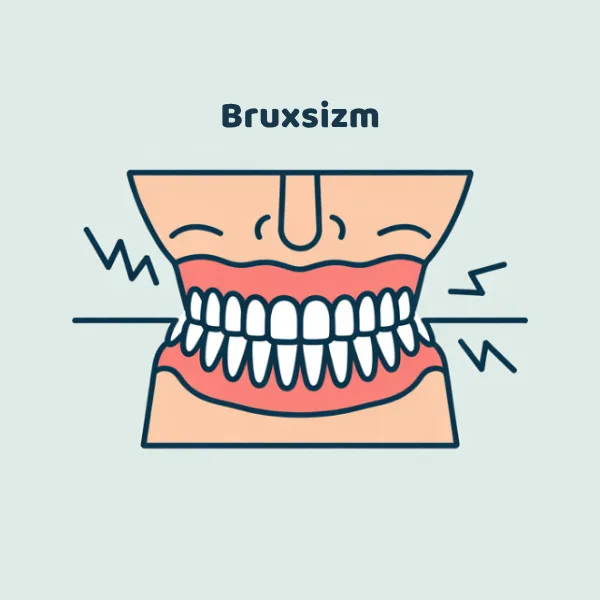
Лікування скреготіння зубами (бруксизму) — це методи, що застосовуються для контролю стискання щелеп і скреготіння зубами, яке може виникати під час сну або впродовж дня. Бруксизм може призводити до стирання зубів, болю в щелепі, головного болю, підвищеної чутливості зубів і перенапруження щелепних суглобів, якщо не займатися цією проблемою.
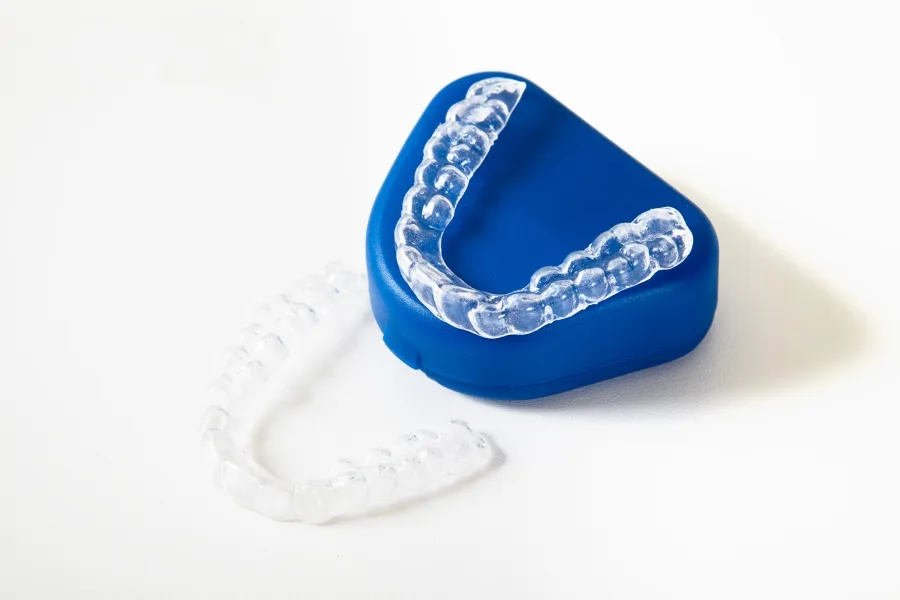
Лікування залежить від причини та ступеня вираженості проблеми. Воно часто включає індивідуально виготовлену нічну капу для захисту зубів, а також заходи для зменшення провокувальних чинників, таких як стрес, порушення прикусу або розлади, пов’язані зі сном. У деяких випадках стоматолог може рекомендувати корекцію прикусу, відновлення пошкоджених зубів або застосування методів для розслаблення м’язів чи зменшення запалення. Мета лікування — захистити зуби, полегшити дискомфорт і запобігти подальшому ушкодженню щелепи та навколишніх м’язів.

Для кого підходить Лікування скреготу зубами (бруксизму)?
Лікування скреготіння зубами (бруксизму) підходить людям, які стискають щелепи або скрегочуть зубами — як під час сну, так і в стані неспання — і вже починають помічати симптоми або пошкодження зубів. Це лікування особливо доречне для:
- Дорослих або підлітків, які прокидаються з болем у щелепі, головним болем, напруженням м’язів обличчя чи чутливістю зубів, пов’язаними з нічним скреготінням.
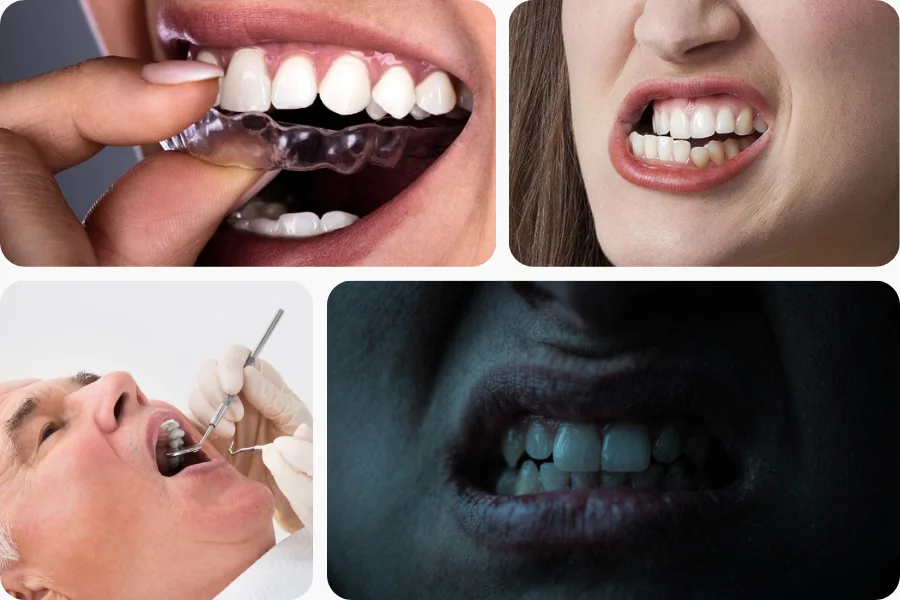
- Людей, у яких стоматолог виявив стерту емаль, відколи зубів, тріщини пломб або сплощення жувальних поверхонь, спричинені стисканням щелеп чи скреготінням зубами.
- Осіб із відчуттям скутості щелепи, клацанням або дискомфортом у скронево-нижньощелепному суглобі (TMJ), особливо якщо симптоми посилюються через стрес або надмірне навантаження на м’язи.
- Пацієнтів, які хочуть захистити зуби, зменшити навантаження на щелепу та підвищити комфорт завдяки персоналізованому плану лікування, наприклад нічній капі чи супутньому догляду.
Стоматологічне обстеження допомагає підтвердити причину симптомів і визначити найбільш відповідний підхід до лікування.
Лікування скреготу зубами (бруксизму) benefits
-
Reduce jaw tension
-
Protect enamel
-
Reduce headache triggers
-
Prevent tooth fractures
-
Improve sleep quality
-
Jaw-relaxation plan
Як проводиться Лікування скреготу зубами (бруксизму)?
Лікування скреготіння зубами (бруксизму) передбачає виявлення причини стискання або скреготіння зубами, а потім підбір найбільш відповідної комбінації методів лікування для захисту зубів, зменшення навантаження на щелепу та покращення комфорту. Бруксизм може виникати під час сну або в період неспання й бути пов’язаним зі стресом, порушеннями прикусу, розладами сну, певними лікарськими засобами або звичками способу життя. Лікування часто включає індивідуальні нічні капи, оцінку прикусу, заходи для розслаблення м’язів і корекцію звичок. У деяких випадках також рекомендуються додаткове стоматологічне відновлення або медичне обстеження, якщо скреготіння вже спричинило стирання зубів, біль у щелепі чи головний біль.
-
Консультація, огляд симптомів і обстеження
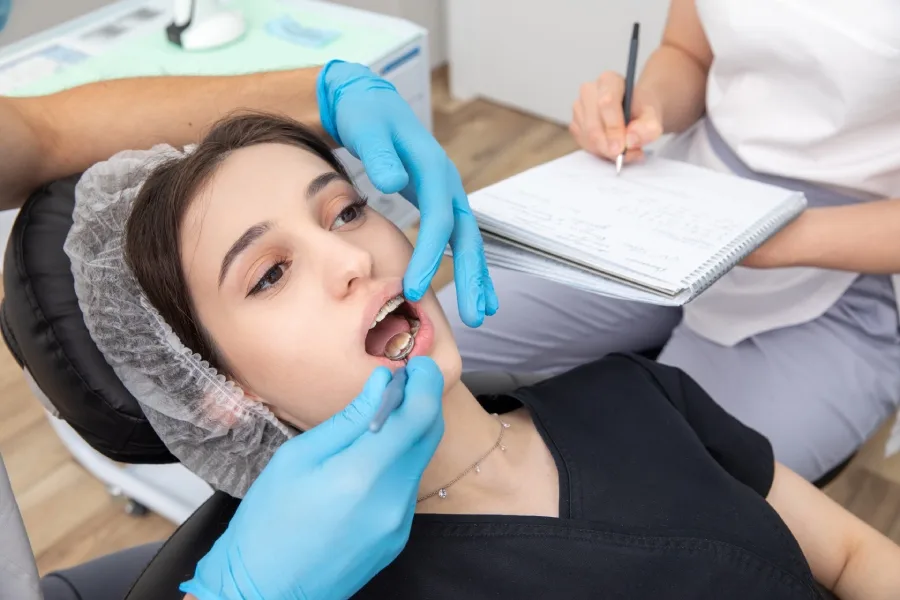
Процес починається з детальної консультації щодо ваших симптомів, таких як напруження в щелепі, ранкові головні болі, чутливість зубів, стерті зуби, клацання у скронево-нижньощелепному суглобі або порушення сну. Стоматолог вивчає вашу медичну історію, прийом ліків, рівень стресу та такі звички, як гризіння нігтів, жування гумки, вживання кофеїну чи куріння. Під час клінічного огляду перевіряють наявність сплощених поверхонь зубів, тріщин емалі, рецесії ясен, прикушування щік і болючості жувальних м’язів. Це допомагає підтвердити ймовірність бруксизму та оцінити, наскільки значними є ушкодження або перенапруження.
-
Аналіз прикусу та діагностичне планування
Далі стоматолог оцінює, як змикаються верхні та нижні зуби під час прикушування і рухів щелепою. Для оцінки стирання зубів, реставрацій, стану щелепного суглоба та будь-яких прихованих стоматологічних проблем можуть бути виконані цифрове сканування, зліпки, фотографії або рентгенівські знімки. Якщо симптоми вказують на бруксизм уві сні, пов’язаний із хропінням або низькою якістю сну, вам також можуть порадити пройти обстеження сну. На основі цих даних складається план лікування, спрямований як на захист зубів, так і на можливі пускові фактори скреготіння.
-
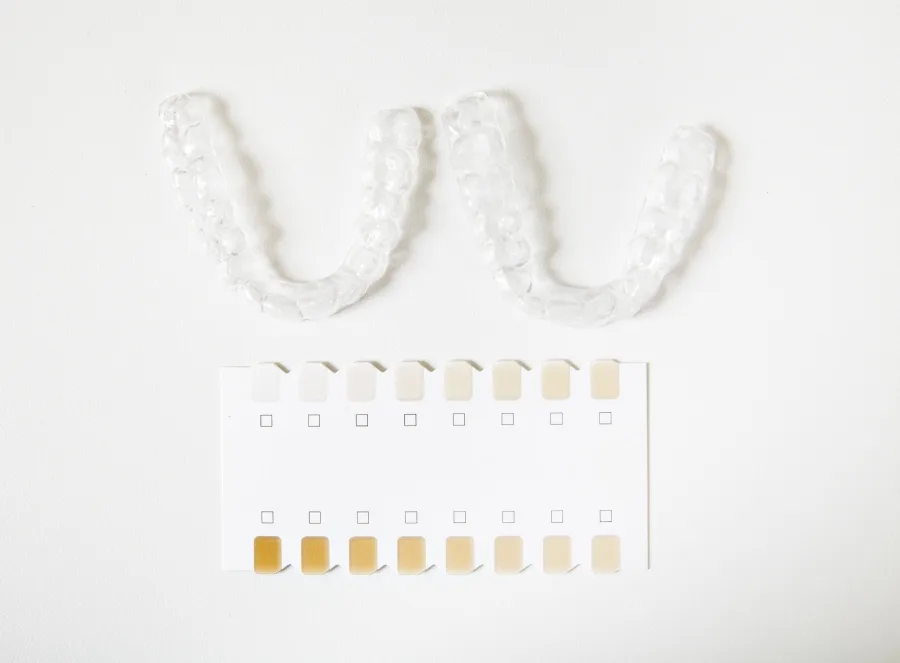
Виготовлення індивідуальної капи або нічної шини
Для багатьох пацієнтів одним з основних методів лікування є індивідуально виготовлена оклюзійна шина або нічна капа. Для створення апарата, який точно прилягає до верхніх або нижніх зубів, використовують зліпки або цифрові скани ваших зубів. На відміну від стандартних кап, що продаються без рецепта, індивідуальний пристрій розробляється так, щоб рівномірніше розподіляти тиск, зменшувати безпосередній контакт зубів між собою та забезпечувати кращий комфорт під час сну. Під час примірки стоматолог ретельно перевіряє апарат і коригує його так, щоб він надійно фіксувався та не створював додаткового навантаження на щелепу.
-
Усунення основної причини
Оскільки бруксизм часто має багатофакторну природу, лікування може включати не лише використання капи. Якщо основним чинником є стрес або денне стискання зубів, стоматолог може рекомендувати техніки розслаблення, вправи для контролю положення щелепи, консультацію психолога або поведінкові стратегії, які допомагають тримати зуби роз’єднаними протягом дня. Якщо прикус порушений через пошкоджені пломби, відсутні зуби або коронки, що погано прилягають, ці проблеми можуть бути виправлені. У певних випадках може бути доцільним направлення до іншого спеціаліста, наприклад до лікаря-сомнолога, фізіотерапевта або психолога, залежно від того, що, ймовірно, провокує проблему.
-
Зняття м’язового напруження та додаткове підтримувальне лікування
Коли скреготіння спричиняє значний м’язовий біль, втому щелепи або головний біль напруження, можуть бути додані підтримувальні методи лікування. Вони можуть включати теплі компреси, вправи на розтягування, протизапальні препарати за потреби та рекомендації тимчасово вживати м’якшу їжу. Деяким пацієнтам може бути корисною фізіотерапія для м’язів щелепи та шиї. У ретельно відібраних випадках для зменшення надмірної активності жувальних м’язів можуть застосовуватися ін’єкції ботулотоксину (Botox). Це не усуває причину бруксизму, але може зменшити силу стискання та допомогти захистити зуби й структури щелепи.
-
Подальше спостереження, контроль і довготривалий захист
Лікування бруксизму зазвичай потребує контрольних візитів для відстеження симптомів, перевірки посадки та зношення капи, а також внесення корекцій за потреби. Якщо зуби вже були пошкоджені, після кращого контролю скреготіння може бути заплановане відновне лікування, зокрема бондинг, коронки або ремонт сколених зубів. Довготривалий догляд зосереджується на захисті зубів, зменшенні м’язового перенапруження та перегляді будь-яких змін у рівні стресу, сні чи оральних звичках. За умови регулярного використання апарата, планових стоматологічних оглядів і контролю чинників, що сприяють бруксизму, багато пацієнтів відчувають менший дискомфорт і нижчий ризик подальшого стирання зубів.
Відновлення та очікування?
Відновлення після лікування скреготіння зубами (бруксизму) залежить від причини скреготу та типу застосованого лікування. У багатьох пацієнтів покращення відбувається поступово, а не миттєво, особливо якщо лікування включає нічну капу, корекцію прикусу, керування стресом, фізичну терапію або інʼєкції Botox. Основні цілі лікування — зменшити м’язове напруження, захистити зуби, полегшити біль у щелепі та запобігти подальшому пошкодженню. Розуміння типових термінів відновлення допоможе вам знати, яких змін очікувати щодо симптомів, сну та щоденного комфорту.
-
Перші 24–72 години (Початок лікування)
У перші кілька днів відновлення зазвичай зосереджене на адаптації до плану лікування, а не на загоєнні після інвазивної процедури. Якщо вам виготовили індивідуальну нічну капу, спочатку вона може здаватися громіздкою або незвичною, і поки ви звикаєте її носити, часто виникає легке відчуття напруження в щелепі або підвищене слиновиділення. Якщо лікування включає Botox, у місцях інʼєкцій протягом одного-двох днів може бути незначна болючість, почервоніння або невеликі синці. Пацієнти, яким проводили корекцію форми зубів або реставраційне лікування для усунення пошкоджень від скреготу, також можуть помітити тимчасову чутливість зубів. Більшість людей можуть одразу повернутися до звичайної повсякденної активності.
-
Ранній період адаптації (Дні 3–10)
Протягом першого тижня багато пацієнтів починають помічати, що після пробудження щелепа відчувається трохи менш напруженою, хоча звичка сильно стискати зуби не зникає за одну ніч. Нічна капа може потребувати невеликих коригувань, якщо вона здається надто тугою, нерівною або незручною. Якщо застосовувався Botox, його ефект зазвичай стає помітним протягом кількох днів, із поступовим розслабленням надмірно активних жувальних м’язів. Якщо основним тригером є стрес, техніки релаксації, покращення сну та зменшення вживання кофеїну чи алкоголю також можуть почати допомагати. На цьому етапі легкий м’язовий біль і надалі може періодично з’являтися, особливо вранці.
-
Фаза покращення симптомів (2–4 тижні)
На цьому етапі пацієнти часто відзначають більш виражене зменшення напруження в щелепі, головного болю, чутливості зубів або втоми м’язів обличчя. Якщо нічна капа добре підходить і використовується регулярно, вона допомагає захищати зуби від подальшого стирання, навіть якщо певне скреготіння під час сну все ще зберігається. Botox, якщо він є частиною лікування, зазвичай досягає повнішого ефекту протягом 1–2 тижнів і може й надалі покращувати комфорт упродовж першого місяця. Якщо до плану лікування входять фізична терапія, вправи для щелепи або корекція постави, вони можуть поступово покращувати рухливість щелепи та зменшувати напруження в шиї та обличчі. Це також період, коли відновлені зуби або стоматологічні реставрації зазвичай починають відчуватися більш природно.
-
Стабілізація та контроль звички (1–3 місяці)
Протягом наступних кількох тижнів лікування спрямоване на стабілізацію прикусу, зменшення надмірного навантаження на м’язи та контроль тригерів. Багато пацієнтів повідомляють про кращу якість сну, меншу ранкову скутість щелепи та рідші головні болі напруження. Однак відновлення може бути нерівномірним, якщо все ще присутні стрес, тривожність, порушення сну або денне стискання зубів. Контрольні візити важливі, щоб ваш стоматолог або профільний спеціаліст міг перевірити капу, оцінити стирання зубів і за потреби скоригувати план лікування. Якщо застосовувався Botox, максимальна користь часто спостерігається саме в цей період, але його ефект є тимчасовим і через кілька місяців може поступово почати слабшати.
-
Довгострокове ведення (3–6 місяців і довше)
Лікування бруксизму часто найкраще працює як постійне ведення стану, а не одноразове вирішення проблеми. Через 3–6 місяців багато пацієнтів уже краще розуміють, яка комбінація методів дає найкращий контроль симптомів. Дехто продовжує довгостроково користуватися нічною капою, тоді як іншим потрібні повторні сеанси Botox, додаткове стоматологічне відновлення або підтримка для контролю стресу та тригерів, пов’язаних зі сном. Якщо пошкодження зубів було значним, частиною більш тривалого періоду відновлення може бути додаткове реставраційне лікування, наприклад коронки або бондинг. Довгостроковий успіх залежить від послідовності, адже саме тривалий захист зубів і зменшення м’язового напруження допомагають запобігти поверненню або посиленню симптомів.
Why Choose Türkiye for Лікування скреготу зубами (бруксизму)?
Türkiye стала надійним вибором для пацієнтів, які шукають лікування скреготу зубами (бруксизму), завдяки поєднанню досвідчених стоматологічних команд, сучасних діагностичних інструментів та доступнішої вартості, ніж у багатьох країнах Європи чи Північної Америки. Оскільки бруксизм може впливати на зуби, суглоби щелепи, м’язи обличчя, якість сну і навіть наявні стоматологічні реставрації, ефективне лікування часто потребує більшого, ніж просто нічна капа. У Türkiye багато клінік пропонують структурований підхід, зосереджений на виявленні причини скреготу та формуванні плану лікування, який поєднує полегшення симптомів і довгостроковий захист.
Лікування бруксизму може включати кілька етапів, залежно від того, чи пов’язана проблема зі стресом, порушенням прикусу, зношеними зубами, перенапруженням скронево-нижньощелепного суглоба або факторами, пов’язаними зі сном. Багато турецьких клінік розпочинають із детального обстеження, яке може включати цифрове стоматологічне сканування, аналіз прикусу та оцінку СНЩС, щоб зрозуміти, як змикаються зуби і де виникає надмірний тиск. Таке ретельне планування особливо корисне для міжнародних пацієнтів, оскільки воно забезпечує точнішу діагностику та допомагає уникнути тимчасових рішень, які не усувають основну причину проблеми. За потреби клініки також можуть організувати виготовлення індивідуальних нічних кап, відновлювальне стоматологічне лікування або направлення щодо супутніх порушень сну чи проблем зі щелепою.
- У Türkiye доступні стоматологи та фахівці з функції щелепи з досвідом у лікуванні бруксизму, зокрема випадків зі стиранням зубів, тріщинами в реставраціях, м’язовим болем і головним болем, пов’язаним зі стисканням щелеп.
- У багатьох клініках застосовують цифрову діагностику та оклюзійний аналіз для оцінки тиску прикусу, пошкодження емалі та рухів щелепи, що допомагає створювати більш індивідуалізовані плани лікування.
- Пацієнти часто отримують користь від індивідуально виготовлених нічних кап і комплексного стоматологічного планування, особливо якщо скрегіт уже спричинив чутливість, вкорочення зубів або пошкодження коронок і пломб.
- Клініки зазвичай приділяють велику увагу комфорту пацієнта, зрозумілій комунікації та рекомендаціям щодо подальшого спостереження, включно з порадами щодо використання апарата, розслаблення щелепи та захисту зубів від подальшого стирання.
- Цінові переваги роблять обстеження та лікування доступнішими, незалежно від того, чи включає план лише нічну капу, чи ширше поєднання відновлювального лікування та корекції прикусу.
- Добре розвинена інфраструктура медичного туризму в Türkiye допомагає міжнародним пацієнтам легше організувати консультації, лікувальні візити, проживання та місцевий транспорт.
Окрім самого лікування, багато пацієнтів високо цінують практичну післяпроцедурну підтримку під час і після візиту. Контроль бруксизму часто залежить від послідовності, оскільки симптоми можуть повертатися, якщо апарат використовується неправильно або пошкоджені зуби залишаються без лікування. Турецькі клініки зазвичай надають інструкції щодо носіння та очищення нічної капи, моніторингу напруження щелепи та розпізнавання ознак того, що може знадобитися додаткове коригування. Якщо стирання зубів є значним, пацієнти також можуть отримати рекомендації щодо поетапного відновлювального лікування для відновлення функції з одночасним контролем сил скреготу.
Сильні позиції Türkiye на світовому ринку медичного туризму є результатом багаторічних інвестицій у приватні медичні заклади, координацію міжнародних пацієнтів та великий клінічний досвід. Приймаючи щороку велику кількість стоматологічних і медичних туристів, Türkiye сформувала організовані маршрути лікування, що поєднують професійну медичну допомогу з практичною підтримкою під час подорожі. Саме ця репутація доступного, добре спланованого та надійного лікування є однією з головних причин, чому пацієнти й надалі обирають Türkiye для лікування скреготу зубами.
Customize your treatment estimate
Start with Лікування скреготу зубами (бруксизму) selected. Adjust the answers below to refine the average estimate shown above.
Ваш розрахунок з’явиться тут.
Часті запитання про Лікування скреготу зубами (бруксизму)
How long does a typical teeth grinding treatment session take?

The duration of a teeth grinding (bruxism) treatment session depends on the type of treatment recommended by your dentist or specialist.
- Dental Consultation: An initial evaluation usually takes about 30-45 minutes, during which your symptoms and dental health are assessed.
- Night Guard Fitting: If a custom night guard is prescribed, the fitting appointment typically lasts 20-30 minutes, with a follow-up visit for final adjustments.
- Therapy Sessions: If stress management or behavioral therapy is recommended, each session may last 30-60 minutes.
Most treatments for bruxism are non-invasive and can be completed in a short office visit. Ongoing follow-ups may be needed to monitor progress and adjust treatment as necessary.
Чи рекомендовані якісь зміни способу життя разом із лікуванням бруксизму?
Так, певнізміни способу життяможуть допомогти підвищити ефективність лікування бруксизму (скреготу зубами) і зменшити симптоми.
- Керування стресом:Практикуйте методи розслаблення, такі як медитація, глибоке дихання або йога, щоб знизити рівень стресу, який є поширеним пусковим фактором бруксизму.
- Уникайте стимуляторів:Обмежте або уникайте кофеїну (кава, чай, енергетичні напої) та алкоголю, особливо ввечері, оскільки вони можуть посилювати скрегіт зубами.
- Налагодьте режим сну:Дотримуйтеся регулярного графіка сну та створіть заспокійливий вечірній ритуал, щоб покращити якість сну.
- Розслаблення щелепи:Звертайте увагу на напруження щелепи протягом дня та намагайтеся тримати її розслабленою. Уникайте жування гумки та звички гризти ручки чи олівці.
- Фізична активність:Регулярні фізичні вправи можуть допомогти зменшити стрес і сприяти кращому сну.
У поєднанні зі стоматологічним лікуванням, таким як капи або шини, ці зміни можуть допомогти ефективніше контролювати бруксизм.
Will I need to wear a night guard every night?
Will I need to wear a night guard every night?
If you have been prescribed a night guard for teeth grinding (bruxism), it is generally recommended to wear it every night while you sleep.
- Consistent use helps protect your teeth from damage caused by grinding or clenching.
- Wearing the night guard every night can also help reduce jaw pain, headaches, and other symptoms associated with bruxism.
Your dentist may occasionally advise taking a break or making adjustments, but regular nightly use is usually needed for the best protection and relief.
Always follow your dentist's specific instructions on how to use and care for your night guard.
How soon can I expect to notice improvements after starting treatment?
How soon can I expect to notice improvements after starting teeth grinding treatment (bruxism)?
- Night Guards or Splints: Many people experience relief from jaw pain and reduced tooth wear within a few nights to a couple of weeks of consistent use.
- Stress Management or Behavioral Therapy: Improvements may take several weeks as you learn and apply new techniques to reduce grinding triggers.
- Medications: If prescribed, medications may help reduce symptoms within days to weeks, depending on the individual response.
Most patients begin to notice some improvement within the first few weeks of starting treatment, especially with regular use of a night guard or mouth splint. Ongoing follow-up with your dentist or healthcare provider is important to monitor progress and adjust your treatment plan if needed.
Чи можливо подорожувати незабаром після лікування бруксизму?
У більшості випадківподорожувати незабаром після лікування бруксизму (скреготіння зубами) можливо, особливо якщо ваше лікування передбачає неінвазивні методи, такі як індивідуально виготовлена нічна капа або оральний апарат.
- Нічні капи:Якщо вам підібрали нічну капу, зазвичай ви можете одразу повернутися до звичних справ, зокрема й до подорожей.
- Ін'єкції ботоксу:Якщо ваше лікування включає ін'єкції ботоксу для бруксизму, можуть виникнути незначні побічні ефекти, як-от набряк або чутливість, але зазвичай вони не перешкоджають подорожам.
- Стоматологічні процедури:Якщо вам проводили стоматологічні реставрації або корекцію, стоматолог може порадити зачекати короткий час, щоб переконатися, що ви почуваєтеся комфортно перед поїздкою.
Завжди дотримуйтеся індивідуальних рекомендацій стоматолога після лікування та повідомте його про будь-які майбутні плани подорожі, щоб він міг надати персоналізовану пораду.
Чи потрібні повторні візити після початкового лікування?
Так, повторні візитизазвичай рекомендуються після початку лікуванняскреготу зубами (бруксизму).
Під час цих прийомів ваш стоматолог або профільний спеціаліст може:
- Стежити за вашим станом і оцінювати покращення або наявність симптомів, що зберігаються
- Коригувати нічну капу або інший оральний апарат для комфорту та ефективності
- Оцінювати будь-які пошкодження зубів або зміни прикусу
- Надавати додаткові рекомендації щодо контролю стресу або змін способу життя
Регулярні повторні візити допомагають зберігати ефективність лікування та запобігати подальшим стоматологічним ускладненням, пов'язаним із бруксизмом.
Can bruxism treatment affect my speech or eating habits?
Лікування бруксизму, наприклад носіння нічної капи або використання стоматологічних шин, може тимчасово впливати на мовлення чи харчові звички, особливо на початку користування таким пристроєм.
- Мовлення:Ви можете помітити незначні зміни у вимові, наприклад легке шепелявлення або труднощі з вимовою окремих слів, особливо під час звикання до капи. Більшість людей адаптуються протягом кількох днів.
- Харчування:Стоматологічні апарати для лікування бруксизму зазвичай носять уночі, і під час їжі їх слід знімати. Якщо ви проходите інші види лікування, наприклад стоматологічну корекцію або приймаєте міорелаксанти, стоматолог повідомить, чи потрібні будь-які зміни в харчуванні.
Ці ефекти зазвичай є легкими та тимчасовими. Якщо ви відчуваєте тривалий дискомфорт або труднощі, зверніться до свого стоматолога для корекції лікування або підбору альтернативних рішень.
Чи зазвичай страхування покриває лікування скреготу зубами?
Страхове покриттядля лікування скреготу зубами (бруксизму) залежить від вашого конкретного страхового плану та типу рекомендованого лікування.
- Нічні капи(оклюзійні шини) іноді частково покриваються стоматологічним страхуванням, особливо якщо стоматолог призначив їх з медичних причин.
- Інші методи лікування, такі як лікарські засоби, контроль стресу або фізична терапія, можуть не покриватися, оскільки їх часто вважають медичними, а не стоматологічними видами лікування.
- Косметичні процедуридля відновлення пошкоджень, спричинених бруксизмом (наприклад, коронки або вініри), можуть мати обмежене покриття.
Важливо звернутися до свого страхового постачальника, щоб зрозуміти ваші конкретні пільги та покриття лікування, пов'язаного з бруксизмом.
###DISCLAIMER###Деталі покриття можуть суттєво відрізнятися. Завжди консультуйтеся зі своїм страховим постачальником, щоб отримати найточнішу та найактуальнішу інформацію.
Чи є якісь обмеження в харчуванні під час курсу лікування?
Під часлікування бруксизму (скреготіння зубами)зазвичай немає суворих обмежень у харчуванні. Однак певні зміни в раціоні можуть допомогти зменшити симптоми та захистити зуби під час лікування.
- Уникайте твердої або жувальної їжі:Їжа на кшталт горіхів, твердих цукерок, льоду та жорсткого м'яса може створювати додаткове навантаження на м'язи щелепи та зуби.
- Обмежте кофеїн і алкоголь:Ці речовини можуть підвищувати м'язову активність і посилювати симптоми бруксизму, особливо ввечері.
- Обирайте м'якшу їжу:Вживання м'якішої їжі може допомогти зменшити дискомфорт у щелепі, якщо м'язи болять через скреготіння.
Ваш стоматолог або лікар може надати індивідуальні рекомендації залежно від ваших симптомів і плану лікування.
Is there any downtime or recovery period after receiving treatment for bruxism?
Liječenje škrgutanja zubima (bruksizma) obično uključuje neinvazivne pristupe, pa većina pacijenata ima vrlo malo ili nimalo zastoja ili razdoblja oporavka.
- Noćne udlage ili splintovi: Prilagođeni dentalni aparati mogu se nositi odmah i ne zahtijevaju vrijeme oporavka.
- Botox injekcije: Ako se koriste, može se javiti blaga oteklina ili nelagoda na mjestu injekcije, ali se uobičajenim aktivnostima obično možete vratiti odmah.
- Dentalne korekcije: Prilagodbe zuba ili zagriza mogu uzrokovati manju osjetljivost, ali oporavak je obično brz.
Većina ljudi može se odmah vratiti svojoj uobičajenoj rutini nakon početka liječenja bruksizma. Ako je potreban određeni stomatološki zahvat, vaš stomatolog dat će vam detaljne upute za njegu nakon zahvata.
Clinics offering Лікування скреготу зубами (бруксизму)
Compare verified clinic profiles connected to this treatment.


Пов’язані статті
Гіди та корисна інформація, пов’язані з цим лікуванням.
Покроковий посібник з лікування скреготу зубами (бруксизму) в Туреччині

Коли найкраще їхати до Туреччини на стоматологічне лікування?
