HealRoad Articles Hero

Discover, Heal, Thrive: HealRoad Articles

Welcome to HealRoad Articles

Explore insights into world-class healthcare and the beauty of Türkiye. From expert tips on treatments to travel guides, our articles are your companion on the journey to wellness and discovery.

Searching...
30 articles found
More filters Clear filters
Candidacy

Topic

Intent

Journey Stage

Concern

Travel Context

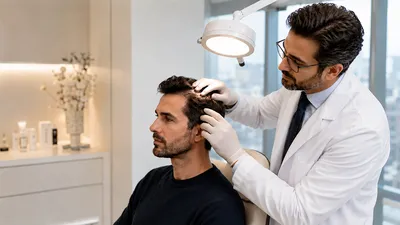
Regenera Activa: The stem-cell boost your hair transplant needs.

Regenera Activa is a non-surgical treatment that uses a small sample of your own scalp tissue to create a cell-rich solution, which is then injected into areas of thinning hair. It is often discussed alongside hair transplantation because the goal is different: a transplant moves healthy follicles, while Regenera Activa aims to support existing miniaturizing hairs and improve scalp conditions around them.

For some people, that makes it a useful add-on rather than a replacement. It may be offered before a transplant to stabilize ongoing hair loss, or after a transplant to support the appearance of native hair around the grafted area. Results vary, and the treatment is generally considered most suitable for early to moderate androgenetic hair loss rather than advanced baldness.

3-minute reading 70 reading
Regenera Activa: The stem-cell boost your hair transplant needs.

Natural-Looking Eyebrows: How to restore your brows permanently

Eyebrows frame the eyes, shape facial expression, and help balance the face. When brows become thin from overplucking, aging, scarring, or certain medical conditions, many people want a result that looks natural rather than sharply drawn on. Permanent eyebrow restoration usually means moving your own hair into the brow area with a hair transplant. When it is planned carefully, this can create fuller brows that grow, can be trimmed, and are designed to match your features.

This FAQ explains how permanent eyebrow restoration works, who may be a good candidate, what results to expect, and why the skill of the surgeon matters so much. It also covers limits, recovery, and the importance of checking for medical causes of eyebrow loss before treatment.

3-minute reading 74 reading
Natural-Looking Eyebrows: How to restore your brows permanently

Can I Get a Hair Transplant Without Shaving My Head? The truth about "No-Shave" FUE

Yes, in some cases you can have a hair transplant without shaving your whole head. This is usually called a no-shave or unshaven FUE procedure. Instead of clipping the entire scalp, the surgeon may trim only a small donor area that can be hidden by surrounding hair, or leave the recipient area unshaven. For the right patient, this can make the procedure easier to keep private while reducing the dramatic short-term change in appearance.

That said, no-shave FUE is not a separate type of transplant and it is not suitable for everyone. It is still follicular unit extraction, with the same basic goals, limits, and healing process. The main difference is how much hair is trimmed to allow graft removal and placement. Whether it is possible depends on your hairstyle, hair length, donor density, the number of grafts needed, and your surgeon's technique.

The most important point is simple: no-shave does not mean no evidence of surgery. Tiny scabs, redness, and temporary shedding can still happen, and larger sessions are often harder to perform efficiently without some trimming. A good consultation should focus less on the label and more on what can realistically be achieved safely and naturally in your case.

4-minute reading 136 reading
Can I Get a Hair Transplant Without Shaving My Head? The truth about "No-Shave" FUE

FUE vs. FUT: Why modern clinics have stopped using the "strip" method
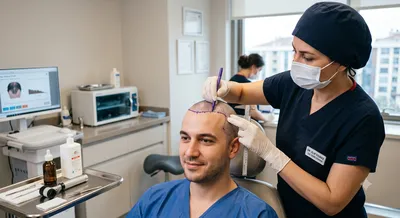
FUE and FUT are the two main surgical techniques used in hair transplantation. FUT, often called the strip method, removes a narrow strip of scalp from the back of the head so grafts can be prepared under a microscope. FUE removes follicular units one by one with a small punch. Both methods can move permanent hairs into thinning areas, but they differ in scarring, recovery, and how the donor area is managed.Many modern clinics now favor FUE for most patients. That shift is not because FUT never works. It is because patient priorities have changed, surgical tools have improved, and FUE often offers a more flexible, less invasive experience with no linear scar. Even so, the best method still depends on hair characteristics, donor supply, styling habits, and the skill of the surgical team.
4-minute reading 233 reading
FUE vs. FUT: Why modern clinics have stopped using the "strip" method

Fix Your Patchy Beard: The Permanent Solution for a Full, Masculine Look
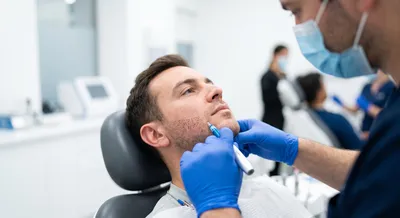
A thick, well-defined beard has long been a symbol of style and masculinity. However, many men struggle with uneven growth, "patchy" areas, or a complete lack of facial hair due to genetics, scarring, or hormonal factors. If you’ve tried every oil and serum without success, it's time to consider a permanent solution. Beard transplantation is the most effective way to redefine your facial aesthetics, providing the density and shape you’ve always wanted.
5-minute reading 190 reading
Fix Your Patchy Beard: The Permanent Solution for a Full, Masculine Look

Pain-Free Hair Transplant: How Needle-Free Anesthesia Makes It Possible
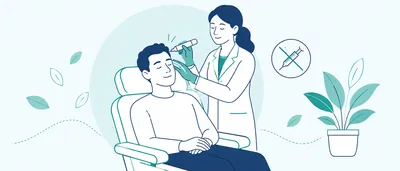
For many people, the dream of restoring their hair is often overshadowed by one major concern: Pain. The thought of needles and local anesthesia injections can be a significant barrier for those with low pain tolerance or needle phobia. However, modern hair restoration has undergone a comfort revolution. Today, a pain-free hair transplant is no longer a marketing promise but a medical reality, thanks to innovative needle-free anesthesia techniques.
3-minute reading 178 reading
Pain-Free Hair Transplant: How Needle-Free Anesthesia Makes It Possible

Sapphire FUE vs. DHI: Which is the best hair transplant method for you?
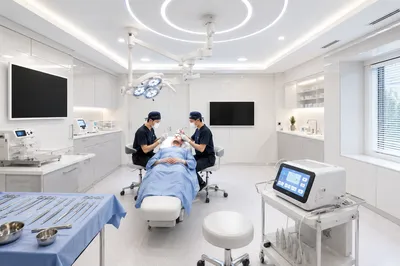
For many individuals experiencing hair loss, modern medicine offers natural and permanent solutions. However, the biggest confusion often arises when it comes to choosing the right technique. Sapphire FUE and DHI (Direct Hair Implantation) are two of the most popular and successful methods today. But what are the fundamental differences between these two technologies, and which one suits your hair structure better? In this guide, we will examine both methods in depth to help you make the right decision.
4-minute reading 185 reading
Sapphire FUE vs. DHI: Which is the best hair transplant method for you?

Can Dental Treatments Be Done with Sedation?
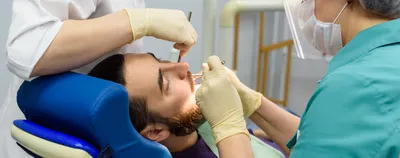
Yes, many dental treatments can be done with sedation. It uses medication to help you relax and reduce anxiety (it’s different from local anaesthetic, which numbs the area, and you’ll usually still need local anaesthetic even with sedation). Sedation may be recommended for dental phobia, strong gag reflex, difficulty sitting still, special healthcare needs, or long/complex treatment. Common options include minimal sedation (nitrous oxide or tablets), moderate/conscious sedation (often IV), and in selected cases deep sedation or general anaesthesia (typically for major surgery or severe anxiety, with higher monitoring needs). It’s generally safe when delivered by trained teams with proper screening and monitoring, but it carries risks like nausea, dizziness, low oxygen levels, or deeper-than-intended sedation. Risk can be higher with conditions such as sleep apnoea, severe obesity, heart/lung disease, pregnancy, or use of opioids/alcohol/sedating meds. After oral/IV sedation you’ll usually need an escort and may be told not to drive, drink alcohol, or make important decisions for a period. Before booking, ask which type is recommended, who administers it, what monitoring is used, what fasting rules apply, how recovery works, and what restrictions you’ll have afterward.
4-minute reading 2139 reading
Can Dental Treatments Be Done with Sedation?

How Many Clinics Will Review My Case?

In most cases, your file may be reviewed by more than one clinic, but the number depends on the service, how complete your records are, and how complex your needs are. Matching/referral programs usually share your case with clinics that fit your diagnosis, location preferences, budget, and timeline, sometimes with several clinics at once and sometimes starting with a short shortlist. Clinics decide whether to review or accept a case based on scope, specialist availability, safety, and whether key documents are included (recent imaging, reports, operative notes, doctor summary). Straightforward cases with flexible preferences can be reviewed by multiple clinics quickly, while highly specialised or complex cases may be reviewed by fewer clinics and can take longer because multiple departments may need to weigh in. You can influence the process by stating priorities (broad search vs one centre/surgeon) and sending complete records early. Also note that “review” can mean a quick eligibility screen or a deeper second opinion/treatment plan, with different timelines and fees. Finally, a review doesn’t guarantee acceptance; it’s meant to find the safest, most appropriate options and set realistic expectations.
4-minute reading 1891 reading
How Many Clinics Will Review My Case?

E-max Crown or Zirconia Crown: How to Choose the Right Option
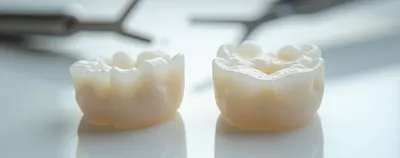
Both E-max crowns and zirconia crowns can restore a damaged tooth with a natural-looking, long-lasting cap. The best choice depends on where the tooth sits in your mouth, how hard you bite, how much healthy tooth remains, and what matters most to you: maximum aesthetics, maximum strength, or a balance of both. This FAQ explains the practical differences so you can have a clearer conversation with your dentist.
4-minute reading 2132 reading
E-max Crown or Zirconia Crown: How to Choose the Right Option

Who Is Not a Good Candidate for Dental Treatment?
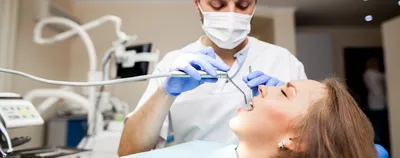
Most people can safely receive dental care, including fillings, crowns, implants, orthodontics, and cosmetic treatments. However, some health conditions and situations can make certain dental procedures unsafe or less likely to succeed, at least temporarily. In these cases, the goal is not to deny care but to adjust timing, choose safer alternatives, or coordinate treatment with a medical team. There is rarely a single rule that makes someone a permanent "no" for all dental treatment. Instead, dentists assess risk based on your overall health, medications, infection status, ability to heal, and how urgent the dental problem is. Emergency care to control pain, swelling, or infection is often still possible even when elective treatment should wait. Below are common scenarios where a person may not be a good candidate for specific dental treatments or may need treatment postponed until their condition is stabilized.
4-minute reading 1667 reading
Who Is Not a Good Candidate for Dental Treatment?

Is a Smile Makeover Right for Me?

A smile makeover is a personalised plan to improve the look of your teeth and gums. It can involve one treatment (such as whitening) or a combination (such as orthodontics plus bonding or veneers). The right choice depends on your goals, your oral health, and what changes are realistically possible. This FAQ explains who may benefit, what to consider before starting, and how to weigh options like whitening, aligners, bonding, veneers, crowns, and gum treatments.
4-minute reading 1801 reading
Is a Smile Makeover Right for Me?

Coordinator

WhatsApp quick contact

Coordinator

Emin

Personal Heal Road Manager

About

I am here to assist you throughout your entire medical journey with Heal Road.

By continuing, you’ll be redirected to WhatsApp.