Створіть свій
запит на лікування
Створіть свій
запит
на лікування
Заповніть форму менш ніж за 2 хвилини.
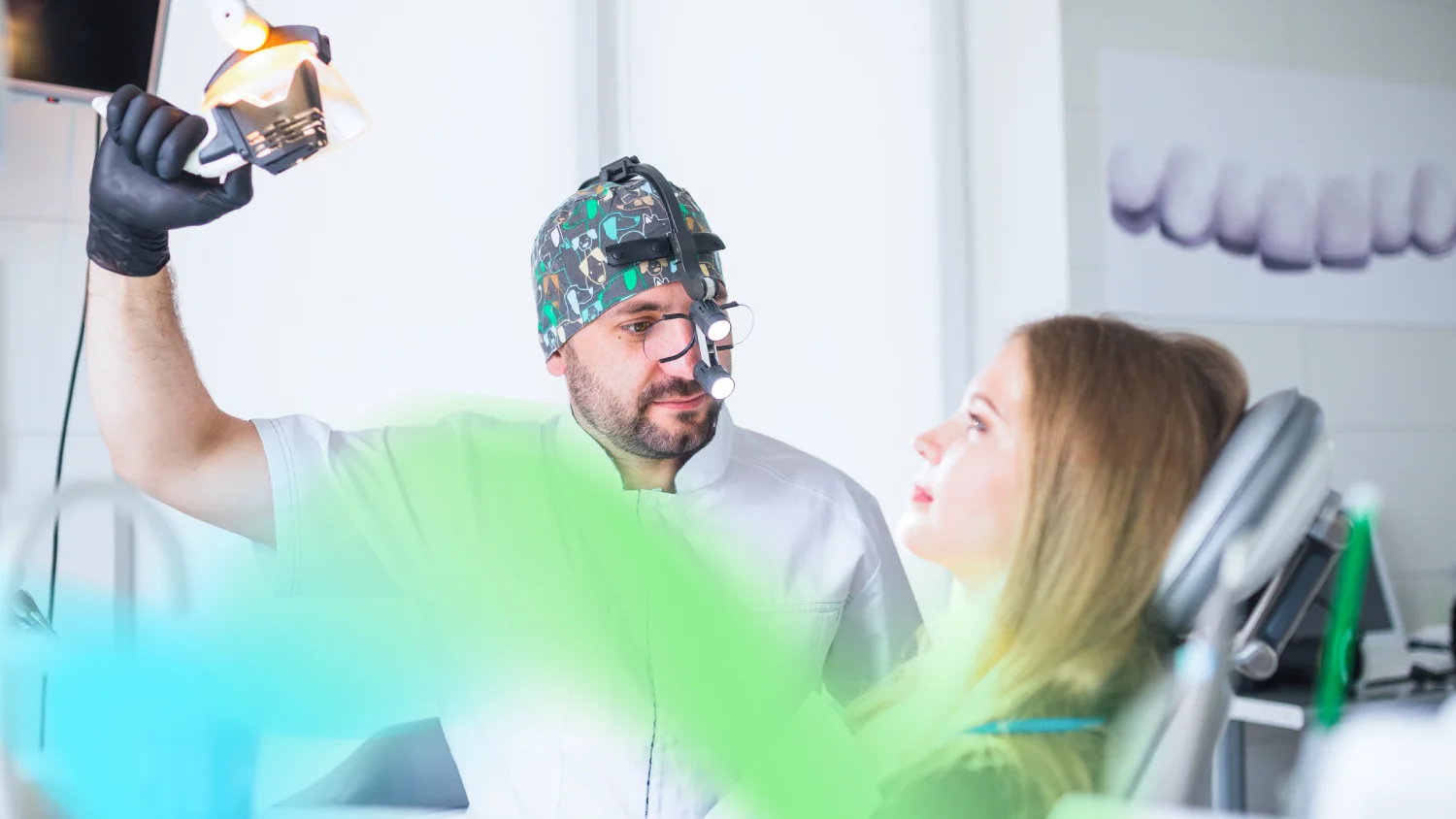
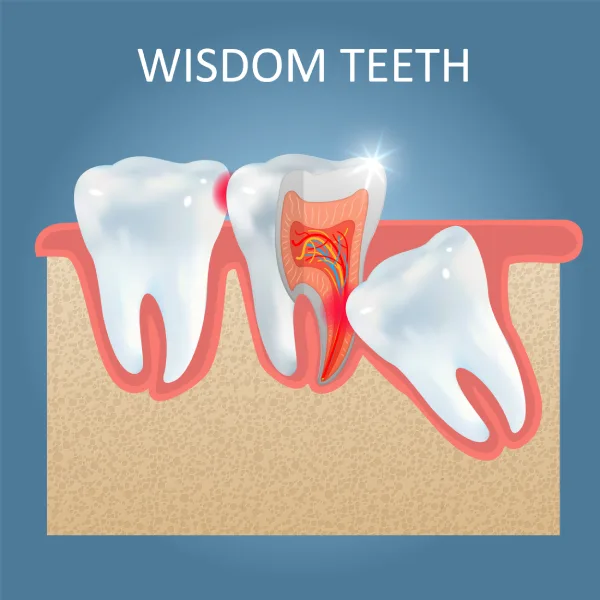
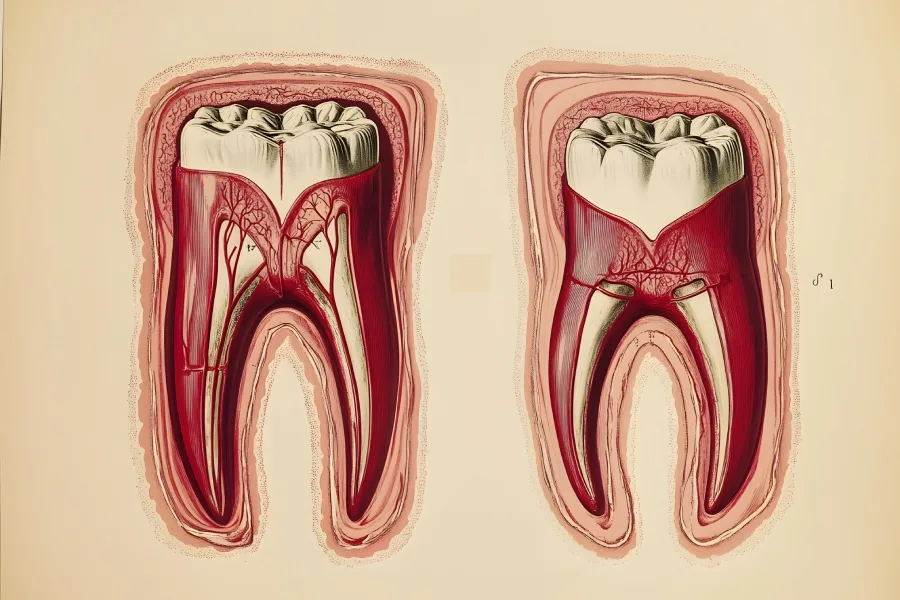
Wisdom tooth extraction is a common oral surgical procedure used to remove one or more third molars, which are the teeth that usually emerge at the back of the mouth in the late teens or early twenties. It is often recommended when these teeth are impacted, growing at an angle, causing pain, crowding, infection, gum inflammation, or damage to nearby teeth.
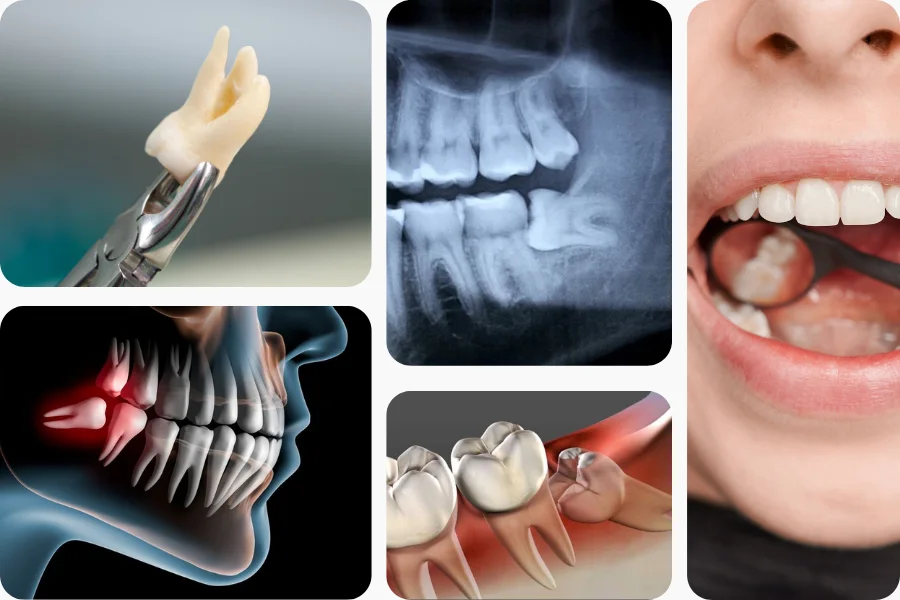
Before the procedure, the dentist or oral surgeon examines the mouth and takes X-rays to assess the position of the teeth and roots. Depending on how the tooth has developed, the extraction may be straightforward or surgical, and it is usually carried out under local anaesthetic, sometimes with sedation. The aim is to prevent complications and protect overall oral health and comfort.
Wisdom tooth extraction is recommended for people whose third molars are causing problems now or are likely to create dental issues in the future. This treatment is particularly appropriate for:
Wisdom tooth extraction is usually advised after a clinical assessment and imaging, especially when keeping the teeth may affect long-term oral health or comfort.
Wisdom tooth extraction is a procedure used to remove one or more third molars, which are the teeth that usually appear at the back of the mouth in the late teens or early twenties. Extraction may be recommended if a wisdom tooth is impacted, partially erupted, painful, infected, decayed, damaging nearby teeth, or causing crowding or gum problems. Some removals are straightforward, while others are surgical, depending on how the tooth is positioned and whether it is fully visible above the gum.
The process begins with a dental or oral surgery consultation. The clinician checks your symptoms, examines the gums and surrounding teeth, and reviews your medical history, including medicines, allergies, and any bleeding risks. X-rays or a panoramic scan are usually taken to see the exact position of the wisdom tooth, the shape of the roots, and how close it is to nearby nerves or the sinus. This helps determine whether the extraction will be straightforward or whether a surgical approach is needed.
Once the tooth has been assessed, the dentist or surgeon explains the treatment plan. You may have one wisdom tooth removed or several during the same visit. The type of anaesthetic depends on the complexity of the case and your comfort level. Many extractions are carried out under local anaesthetic, which numbs the area while you remain awake. In more complex cases, or if you are very anxious, sedation or general anaesthetic may be offered. You will also receive instructions about eating, drinking, and arranging transport if sedation is planned.
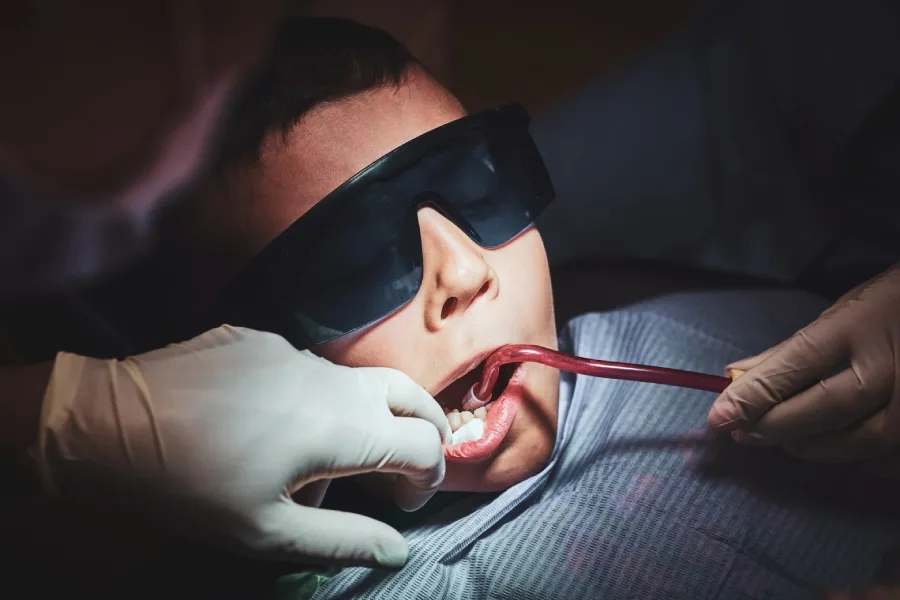
On the day of the procedure, the treatment area is cleaned and the anaesthetic is given. After the gum, tooth, and surrounding bone are fully numb, the clinician checks that you can feel pressure but not pain. If sedation is used, your breathing, pulse, and overall comfort are monitored throughout the procedure. Once the area is prepared, the extraction begins using sterile instruments designed to gently loosen and remove the tooth while protecting nearby tissues.
If the wisdom tooth has fully come through the gum and is easy to access, the extraction may be relatively simple. The dentist uses an instrument called an elevator to loosen the tooth, then removes it with forceps. The aim is to take the tooth out with controlled pressure while minimising trauma to the surrounding bone and gum. After removal, the socket is checked and cleaned to make sure no debris remains.
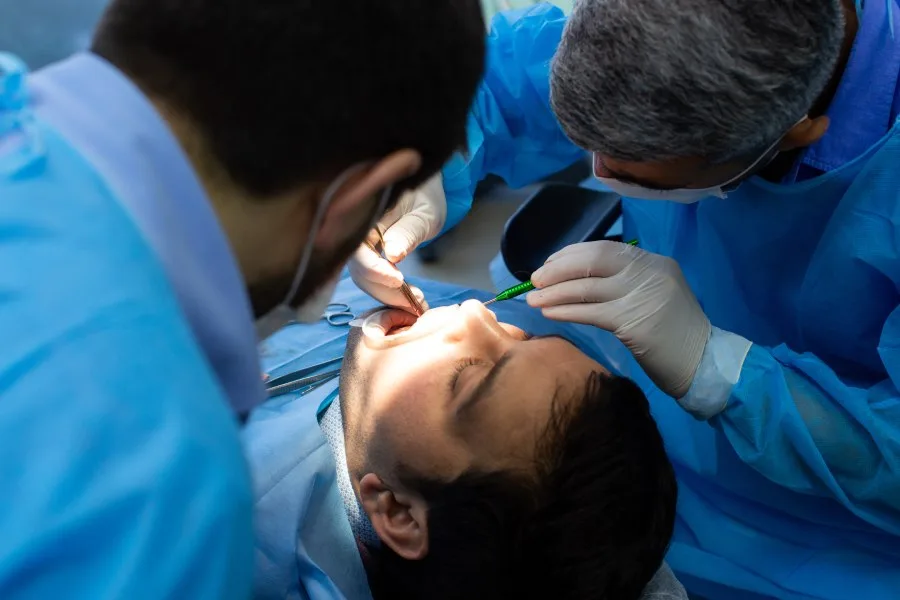
If the wisdom tooth is impacted under the gum or trapped in the jawbone, a surgical extraction is needed. A small incision is made in the gum to expose the tooth and bone. In some cases, a small amount of bone is carefully removed to gain access. The tooth may also be divided into sections so it can be taken out more safely and with less pressure on the jaw. This step is common for lower wisdom teeth that are angled sideways or partially trapped beneath the gum.
After the tooth is removed, the socket is inspected and gently rinsed. Any small fragments of tissue or bone are cleared if necessary. If a surgical incision was made, the gum is usually repositioned and closed with stitches, which may dissolve on their own or need to be removed later. Gauze is then placed over the area so you can bite down and help a blood clot form. This clot is important because it protects the bone and supports normal healing.
After the procedure, it is normal to have some swelling, mild bleeding, jaw stiffness, and discomfort for a few days. You will be given instructions on pain relief, cold compresses, eating soft foods, and keeping the area clean without disturbing the clot. Straws, smoking, and vigorous rinsing are usually avoided early on because they can increase the risk of dry socket. Most people recover gradually over several days, although surgical cases can take longer. A follow-up appointment may be arranged to check healing, especially if stitches were placed or if the extraction was complex.
Recovery after a wisdom tooth extraction is usually straightforward, but it can vary depending on whether the tooth had fully come through, was partially impacted, or was deeply impacted in the jaw. The number of teeth removed, the difficulty of the extraction, and your general healing response all affect the timeline. Most people feel noticeably better within a few days, but the gum and bone continue healing for several weeks. Understanding what is normal can help you plan rest, manage swelling, and reduce the risk of complications such as dry socket.
The first day is mainly about controlling bleeding, protecting the blood clot, and resting. Mild oozing from the extraction site is common for several hours, and your dentist or oral surgeon will usually ask you to bite gently on gauze to help it stop. Swelling, jaw stiffness, and discomfort often begin within the first few hours, especially after surgical removal of impacted teeth. Use any prescribed or recommended pain relief as directed, apply cold packs to the outside of the face at short intervals, and stick to cool, soft foods and plenty of fluids. Avoid smoking, drinking through a straw, forceful rinsing, and spitting, because these can disturb the clot and delay healing.
Swelling and soreness often peak during this period, which can be surprising if you expected to feel better straight away. It is also common to notice limited mouth opening, tenderness when chewing, and mild bruising around the jaw or cheeks. Many patients can manage light daily activities, but it is still best to take things easy and avoid strenuous exercise. You may be advised to begin gentle saltwater rinses after the first day to keep the area clean, while continuing careful brushing away from the extraction site. Soft foods such as yoghurt, soup that is not too hot, mashed potatoes, eggs, and smoothies eaten with a spoon are usually the most comfortable.
By the middle to end of the first week, pain and swelling usually begin to ease, and eating becomes easier. If stitches were placed, they may dissolve on their own or be removed at a follow-up appointment, depending on the type used. The extraction socket may still look deep or dark, which is often normal and does not necessarily mean something is wrong. Continue avoiding hard, crunchy, spicy, or very small foods such as crisps, seeds, or rice that can become trapped in the area. If pain suddenly becomes stronger after initially improving, or if you develop a bad taste, unpleasant odour, or pain that radiates towards the ear, contact your clinic, as this can be a sign of dry socket or infection.
During the second week, most people feel much more comfortable and can return to a more normal diet, although the area may still be sensitive when chewing directly on it. The gum tissue gradually closes over the extraction site, and jaw stiffness continues to improve. If your procedure was more complex, especially for deeply impacted lower wisdom teeth, some tenderness or mild swelling can last a little longer. Good oral hygiene remains important, but be gentle around the healing socket. Your dentist may recommend irrigating the area if food tends to collect there, particularly after lower wisdom tooth removal.
Even when you feel back to normal, the deeper tissues are still healing. Over the next several weeks, the socket gradually fills in and the bone remodels beneath the gum. Most patients are back to their usual routine well before this stage, but complete healing after a surgical extraction takes longer than the visible recovery suggests. If the wisdom tooth was close to a nerve or sinus, your surgeon may give you extra instructions and monitor healing more closely. In uncomplicated cases, long-term recovery is smooth, and the area becomes stable without any special care beyond normal brushing, flossing, and regular dental check-ups.
Türkiye has become a reliable option for wisdom tooth extraction, offering access to experienced oral and maxillofacial dentists, modern diagnostic tools, and cost-conscious treatment planning. For many international patients, the decision is based not only on affordability, but also on the ability to receive timely care in well-equipped clinics, often without the long waiting periods that can delay treatment in their home country.
Wisdom tooth extraction may be recommended for impacted teeth, repeated infections, pain, swelling, pressure on nearby teeth, or difficulty cleaning the back of the mouth. In Türkiye, clinics usually begin with a careful examination supported by digital panoramic X-rays and, when needed, 3D imaging to assess tooth position and its relationship to the nerves and sinuses. This detailed planning is especially important for complex or surgical extractions, helping the dental team choose the safest and most appropriate approach while giving patients a clearer understanding of the procedure and recovery process.
Türkiye's success in the health tourism market is closely linked to its experienced clinicians, internationally focused dental clinics, and patient-friendly service structure. Each year, the country welcomes many visitors for dental care, supported by efficient appointment systems, multilingual communication in many centres, and treatment pathways designed for people travelling from abroad. For patients considering wisdom tooth extraction, Türkiye offers a balanced combination of clinical experience, accessibility, and dependable care within a well-established medical travel environment.
Отримайте індивідуально розраховану середню ціну відповідно до ваших потреб.
Медичний рецензент
Автор
Гіди та корисна інформація, пов’язані з цим лікуванням.
Заповніть форму менш ніж за 2 хвилини.
Пропозиції готують перевірені клініки без розкриття вашої особистої інформації.
Переглядайте прозоре ціноутворення та деталі пакетів поруч.
Записи на прийом, трансфери, проживання та екскурсії містом організовуються для вас.
Отримуйте та порівнюйте пропозиції на лікування від провідних клінік за лічені хвилини — без листа очікування.
Тримайте свій бюджет під контролем завдяки пакетам «усе включено», без прихованих додаткових витрат.
Від бронювання авіаквитків до повного одужання — отримуйте індивідуальний супровід щоразу, коли вам потрібна допомога.
Botan
Персональний менеджер Heal Road
Від першого знайомства
до відновлення
з вами на кожному етапі шляху
Поділіться кількома деталями, і ми зв’яжемося з вами, запропонувавши найкращі варіанти.
Швидкий контакт у WhatsApp