
HealRoad Articles Hero

Discover, Heal, Thrive: HealRoad Articles

Welcome to HealRoad Articles

Explore insights into world-class healthcare and the beauty of Türkiye. From expert tips on treatments to travel guides, our articles are your companion on the journey to wellness and discovery.

Searching...
86 articles found
More filters Clear filters
Clinic Choice

Topic

Intent

Journey Stage

Concern

Travel Context

How Most Patients Choose the Wrong Clinic in Türkiye (And How to Choose the Right One)

Choosing a clinic in Türkiye can feel easier than it actually is.

You open a few websites, scroll through social media, read some reviews and quickly start forming an opinion.

Some clinics look more professional. Some feel more trustworthy. Some seem more popular.

And without realizing it, you start making a decision based on what you see.

But this is where many patients go wrong.

Because what looks convincing online does not always reflect what is right for your treatment.

3-minute reading 2516 reading
How Most Patients Choose the Wrong Clinic in Türkiye (And How to Choose the Right One)

5 Things to Check Before Booking a Clinic in Türkiye

Choosing a clinic in another country is a major decision, and the process can feel overwhelming at first. Many patients compare prices, reviews, or before-and-after photos, but these details alone are not always enough to understand the full picture. A safer and more confident decision usually comes from looking at the practical factors behind the offer, including who will perform the treatment, how clearly the plan is explained, and what kind of support is provided before and after the visit.

Türkiye has become one of the most searched destinations for dental and medical treatment, offering experienced clinicians, modern facilities, and competitive prices. Still, not every clinic is the right fit for every patient. Before confirming a booking, it is worth slowing down and checking a few essential details that can directly affect safety, comfort, and the overall treatment experience.

4-minute reading 3160 reading
5 Things to Check Before Booking a Clinic in Türkiye

Natural-Looking Eyebrows: How to restore your brows permanently

Eyebrows frame the eyes, shape facial expression, and help balance the face. When brows become thin from overplucking, aging, scarring, or certain medical conditions, many people want a result that looks natural rather than sharply drawn on. Permanent eyebrow restoration usually means moving your own hair into the brow area with a hair transplant. When it is planned carefully, this can create fuller brows that grow, can be trimmed, and are designed to match your features.

This FAQ explains how permanent eyebrow restoration works, who may be a good candidate, what results to expect, and why the skill of the surgeon matters so much. It also covers limits, recovery, and the importance of checking for medical causes of eyebrow loss before treatment.

3-minute reading 74 reading
Natural-Looking Eyebrows: How to restore your brows permanently

Manual vs. Micromotor: Does the tool used for extraction change the final result?

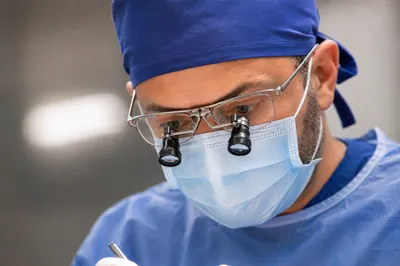
In hair transplantation, grafts can be removed with a manual punch or with a motorized micromotor punch. Patients often assume the device itself determines the outcome, but the final result depends far more on planning, surgeon skill, graft handling, and whether the chosen punch matches the hair and scalp characteristics. In other words, the tool matters, but technique matters more.

Both methods are used in follicular unit extraction, or FUE. A manual punch is advanced by hand, while a micromotor rotates or oscillates the punch with mechanical assistance. Each approach has strengths and trade-offs in speed, control, and tissue handling. The key question is not which tool sounds more advanced, but which method is most appropriate for the individual case and is used well.
3-minute reading 108 reading
Manual vs. Micromotor: Does the tool used for extraction change the final result?

FUE vs. FUT: Why modern clinics have stopped using the "strip" method
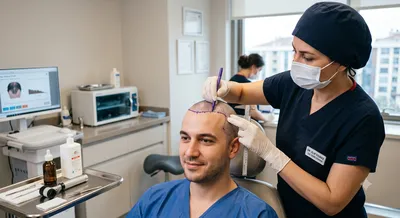
FUE and FUT are the two main surgical techniques used in hair transplantation. FUT, often called the strip method, removes a narrow strip of scalp from the back of the head so grafts can be prepared under a microscope. FUE removes follicular units one by one with a small punch. Both methods can move permanent hairs into thinning areas, but they differ in scarring, recovery, and how the donor area is managed.Many modern clinics now favor FUE for most patients. That shift is not because FUT never works. It is because patient priorities have changed, surgical tools have improved, and FUE often offers a more flexible, less invasive experience with no linear scar. Even so, the best method still depends on hair characteristics, donor supply, styling habits, and the skill of the surgical team.
4-minute reading 228 reading
FUE vs. FUT: Why modern clinics have stopped using the "strip" method

Fixing a Bad Hair Transplant: How Revision Surgery Can Restore a Natural Look
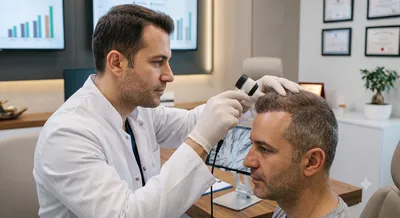
A hair transplant is often a long-awaited journey toward renewed self-confidence. However, when the results do not meet expectations, whether due to an unnatural hairline, poor density, or visible scarring, it can lead to significant emotional distress. The good news is that modern restorative medicine offers a second chance. Revision hair transplantation is a highly specialized field dedicated to correcting previous surgical errors and restoring the natural, undetectable appearance you originally desired.
4-minute reading 203 reading
Editorial-style portrait of a middle-aged man in a modern hair restoration clinic

Fix Your Patchy Beard: The Permanent Solution for a Full, Masculine Look
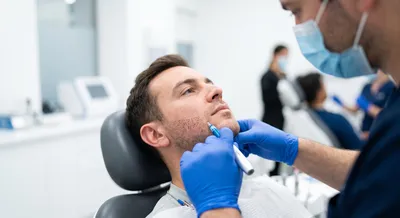
A thick, well-defined beard has long been a symbol of style and masculinity. However, many men struggle with uneven growth, "patchy" areas, or a complete lack of facial hair due to genetics, scarring, or hormonal factors. If you’ve tried every oil and serum without success, it's time to consider a permanent solution. Beard transplantation is the most effective way to redefine your facial aesthetics, providing the density and shape you’ve always wanted.
5-minute reading 187 reading
Fix Your Patchy Beard: The Permanent Solution for a Full, Masculine Look

Pain-Free Hair Transplant: How Needle-Free Anesthesia Makes It Possible

For many people, the dream of restoring their hair is often overshadowed by one major concern: Pain. The thought of needles and local anesthesia injections can be a significant barrier for those with low pain tolerance or needle phobia. However, modern hair restoration has undergone a comfort revolution. Today, a pain-free hair transplant is no longer a marketing promise but a medical reality, thanks to innovative needle-free anesthesia techniques.
3-minute reading 176 reading
Pain-Free Hair Transplant: How Needle-Free Anesthesia Makes It Possible

How Long Do Dental Treatments Take in Turkey?
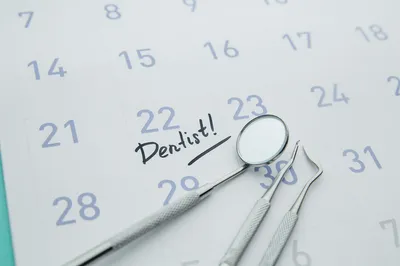
Dental treatment times in Turkey vary by the type of procedure, your oral health, and whether the work can be completed in one visit or needs healing time between stages. Many patients travel because clinics often combine consultation, imaging, treatment planning, and some procedures into a short stay. However, not every treatment is suitable for same-day completion, especially when surgery, laboratory work, or recovery is involved. Simple treatments such as examinations, X-rays, hygiene visits, fillings, and some tooth whitening sessions may be finished in a single appointment lasting from 30 minutes to 2 hours. More complex cosmetic work, including veneers or crowns, often takes several days because the teeth must be prepared, impressions or digital scans taken, and the final restorations fitted after laboratory production. Some clinics offer same-day CAD/CAM crowns, but this depends on the equipment available and the number of teeth being treated. Dental implants usually take the longest overall. The surgical placement itself may be done in one session, but the full process often includes healing time before the final crown, bridge, or denture is attached. In some cases, immediate loading is possible, while others require several months for osseointegration. If bone grafting, sinus lift surgery, gum treatment, or treatment of infection is needed first, the timeline becomes longer. Orthodontic treatment, including clear aligners or braces, is not typically a short dental trip. The initial planning can begin in Turkey, but follow-up adjustments or remote monitoring are usually needed over many months. Root canal treatment may be completed in one or two visits, while extractions can often be done in a single day unless there are complications.
4-minute reading 209 reading
How Long Do Dental Treatments Take in Turkey

Can I Travel Alone for Dental Treatment?

Yes, many people travel alone for dental treatments, especially for planned procedures like implants, crowns, veneers, or oral surgery consultations. Solo travel can be practical if you’re organized, medically fit to travel, and receiving care from a reputable clinic. However, the key question isn’t just whether you can go alone, but whether it’s safe and sensible for your specific treatment, health status, and recovery needs. Before booking, ask the clinic for a clear treatment plan, expected number of visits, possible discomfort, medications needed, and whether you’ll be fit to travel immediately after the procedure. Some treatments are minor and allow independent travel, while others may leave you tired, swollen, or unable to manage transport easily. Procedures like sedation, complex extractions, bone grafting, or full-mouth work may make solo travel more difficult. It’s also important to think beyond the dental chair. If you're in pain, feeling anxious, or dealing with a complication, being alone in an unfamiliar place can be stressful. Good planning can reduce this risk, choose a clinic that communicates well in a language you understand, provides written aftercare instructions, and offers emergency contact details. Arrange accommodation close to the clinic, allow extra recovery time, and ensure someone at home knows your itinerary. Solo travel may be fine for simple dental care, but after sedation, an escort may be needed. Complex surgery could require extra recovery time before flying or long transfers. Be sure to choose a clinic with clear aftercare and emergency contact arrangements.
4-minute reading 1537 reading
Can I Travel Alone for Dental Treatment

Which City in Turkey Is Best for Dental Treatment?

Turkey has become a popular destination for dental care because treatment can be more affordable than in many parts of Europe, North America, and the Gulf. Patients often ask which city is best, but the answer depends on the type of treatment you need, the clinic's standards, the dentist's experience, and how easy the city is for travel and follow-up. In practice, Istanbul is usually the top choice for the widest range of dental services, while Antalya, Izmir, and Ankara may suit some patients better depending on budget, convenience, and whether they want a holiday-style stay. The best city is the one where you can find a well-qualified dental team, clear communication, strong infection control, and a realistic treatment plan.
4-minute reading 1276 reading
Which City in Turkey Is Best for Dental Treatment?

How Many Brits Go to Turkey for Surgery?

In recent years, Turkey has become one of the most popular destinations for medical tourism, with patients from the UK being a significant part of this trend. Cosmetic surgery, dental treatments, hair transplants, and bariatric surgery are some of the high-cost procedures that can be performed in Turkey at much lower prices, with shorter waiting times being one of the key reasons why people choose Turkey. Many clinics also offer package deals that include accommodation, transportation, and other services, providing a competitive advantage for health tourism. UK patients view Turkey’s high-quality healthcare services and affordable costs as a significant benefit, allowing them to achieve faster results in their treatment processes. Major cities such as Istanbul, Antalya, and Izmir stand out with their modern clinics and expert medical staff. The number of British patients traveling to Turkey for medical purposes continues to rise each year, although there is no single official figure available. Various estimates suggest that thousands of Brits travel to Turkey annually for a wide range of medical services, from cosmetic surgery to dental care. The popularity of Turkey as a health tourism destination is not only due to lower costs and shorter waiting times but also due to the high success rates of treatments, patient satisfaction, and the country's healthcare system adhering to international standards. Turkey has become a reliable hub for health tourism globally, with tens of thousands of international patients, particularly from the UK, choosing Turkey for its more affordable and high-quality treatment options.
4-minute reading 1218 reading
How Many Brits Go to Turkey for Surgery?

Coordinator

WhatsApp quick contact

Coordinator

Emin

Personal Heal Road Manager

About

I am here to assist you throughout your entire medical journey with Heal Road.

By continuing, you’ll be redirected to WhatsApp.