
Discover, Heal, Thrive:
HealRoad Articles
Welcome to HealRoad Articles
Explore insights into world-class healthcare and the beauty of Türkiye. From expert tips on treatments to travel guides, our articles are your companion on the journey to wellness and discovery.
29 articles found
More filters
Clear filters
Risks
29 articles found
More filters
Clear filters


Risks
Topic
Intent
Journey Stage
Concern
Travel Context
What Is the Recovery Process After Dental Treatment?
Recovery after dental treatment depends on the type of procedure, your general health, and how closely you follow aftercare instructions. Minor treatments such as fillings may cause only brief numbness or sensitivity, while extractions, root canal treatment, implants, or gum procedures can take several days or weeks to settle. Most people recover well with simple home care, but it is normal to have questions about pain, swelling, eating, and when to call the dentist. In the first 24 hours, rest is often the most important step. If you had a tooth removed or oral surgery, you may be asked to bite on gauze, avoid rinsing forcefully, and skip smoking, alcohol, and strenuous exercise. These steps help protect the blood clot and lower the risk of dry socket or bleeding. Cold packs on the outside of the face can help reduce swelling, and prescribed or over-the-counter pain relief may be recommended.Healing times vary. Sensitivity after a filling may improve within days. Recovery after a simple extraction often takes about 1 to 2 weeks, while more involved surgery or dental implants may require a longer healing period. Contact your dentist promptly if you develop heavy bleeding, worsening pain after a few days, fever, pus, bad taste, increasing swelling, or trouble swallowing or breathing.
4-minute reading
1629 reading
 1629 reading

What Should I Avoid After Dental Procedures?
After a dental procedure, what you avoid can matter as much as what you do. The mouth heals quickly, but fresh treatment areas are easy to irritate. Whether you had a filling, tooth extraction, root canal, crown, implant, or deep cleaning, the first few hours and days are important. Following your dentist's instructions helps reduce bleeding, pain, swelling, dry socket, infection, and damage to new dental work.
Common restrictions depend on the procedure, but several rules apply broadly. Avoid eating until numbness wears off so you do not bite your cheek, lip, or tongue. Skip very hot foods and drinks at first, since heat can increase bleeding and discomfort, and numbness may prevent you from noticing burns. Hard, crunchy, sticky, or chewy foods can disturb healing sites or pull at temporary restorations, so softer foods are usually safer.
After an extraction or oral surgery, avoid smoking, vaping, spitting, using straws, or vigorous rinsing for at least the first day, or longer if your dentist advises it. Suction and pressure can dislodge the blood clot and lead to dry socket, a painful complication. Alcohol is also best avoided for at least 24 hours, especially if you are taking pain medicine, antibiotics, or sedatives.
It is also wise to avoid intense exercise immediately after many dental procedures, particularly extractions, implants, and gum surgery. Heavy activity may restart bleeding or worsen swelling. If you received sedation, do not drive, operate machinery, drink alcohol, or make important decisions until fully recovered and cleared by your clinician.
4-minute reading
1695 reading

What Does Dental Recovery Really Feel Like?
Dental recovery is often easier than people expect, but it rarely feels the same for everyone. The exact experience depends on the procedure, your general health, pain tolerance, and how closely aftercare instructions are followed. A simple filling may leave only mild tenderness for a day, while an extraction, root canal, implant, or gum surgery can cause several days of soreness, swelling, and temporary limits on eating. In the first 24 to 72 hours, it is common to notice aching, pressure, or throbbing that gradually improves. Numbness from local anesthetic can last for a few hours, and once it wears off, the area may feel bruised or sensitive. Some people also notice a strange awareness of the treated tooth, especially when biting. This does not always mean something is wrong. Soft foods, rest, and prescribed or over the counter pain relief are often enough to keep symptoms manageable. Healing usually comes in stages. Early discomfort tends to peak within the first couple of days, then settle. Gums and soft tissue may look puffy or slightly discolored before they improve. If stitches are used, the mouth can feel tight or irritated until the tissue closes. It is also normal to feel tired after a longer appointment, especially if sedation was used.
4-minute reading
1606 reading

Can I Travel Alone for Dental Treatment?
Yes, many people travel alone for dental treatments, especially for planned procedures like implants, crowns, veneers, or oral surgery consultations. Solo travel can be practical if you’re organized, medically fit to travel, and receiving care from a reputable clinic. However, the key question isn’t just whether you can go alone, but whether it’s safe and sensible for your specific treatment, health status, and recovery needs.
Before booking, ask the clinic for a clear treatment plan, expected number of visits, possible discomfort, medications needed, and whether you’ll be fit to travel immediately after the procedure. Some treatments are minor and allow independent travel, while others may leave you tired, swollen, or unable to manage transport easily. Procedures like sedation, complex extractions, bone grafting, or full-mouth work may make solo travel more difficult.
It’s also important to think beyond the dental chair. If you're in pain, feeling anxious, or dealing with a complication, being alone in an unfamiliar place can be stressful. Good planning can reduce this risk, choose a clinic that communicates well in a language you understand, provides written aftercare instructions, and offers emergency contact details. Arrange accommodation close to the clinic, allow extra recovery time, and ensure someone at home knows your itinerary.
Solo travel may be fine for simple dental care, but after sedation, an escort may be needed. Complex surgery could require extra recovery time before flying or long transfers. Be sure to choose a clinic with clear aftercare and emergency contact arrangements.
4-minute reading
3131 reading

How Many Brits Go to Turkey for Surgery?
In recent years, Turkey has become one of the most popular destinations for medical tourism, with patients from the UK being a significant part of this trend. Cosmetic surgery, dental treatments, hair transplants, and bariatric surgery are some of the high-cost procedures that can be performed in Turkey at much lower prices, with shorter waiting times being one of the key reasons why people choose Turkey. Many clinics also offer package deals that include accommodation, transportation, and other services, providing a competitive advantage for health tourism.
UK patients view Turkey’s high-quality healthcare services and affordable costs as a significant benefit, allowing them to achieve faster results in their treatment processes. Major cities such as Istanbul, Antalya, and Izmir stand out with their modern clinics and expert medical staff. The number of British patients traveling to Turkey for medical purposes continues to rise each year, although there is no single official figure available. Various estimates suggest that thousands of Brits travel to Turkey annually for a wide range of medical services, from cosmetic surgery to dental care.
The popularity of Turkey as a health tourism destination is not only due to lower costs and shorter waiting times but also due to the high success rates of treatments, patient satisfaction, and the country's healthcare system adhering to international standards. Turkey has become a reliable hub for health tourism globally, with tens of thousands of international patients, particularly from the UK, choosing Turkey for its more affordable and high-quality treatment options.
4-minute reading
2652 reading

Can Dental Treatments Be Done with Sedation?
Yes, many dental treatments can be done with sedation. It uses medication to help you relax and reduce anxiety (it’s different from local anaesthetic, which numbs the area, and you’ll usually still need local anaesthetic even with sedation).
Sedation may be recommended for dental phobia, strong gag reflex, difficulty sitting still, special healthcare needs, or long/complex treatment. Common options include minimal sedation (nitrous oxide or tablets), moderate/conscious sedation (often IV), and in selected cases deep sedation or general anaesthesia (typically for major surgery or severe anxiety, with higher monitoring needs).
It’s generally safe when delivered by trained teams with proper screening and monitoring, but it carries risks like nausea, dizziness, low oxygen levels, or deeper-than-intended sedation. Risk can be higher with conditions such as sleep apnoea, severe obesity, heart/lung disease, pregnancy, or use of opioids/alcohol/sedating meds. After oral/IV sedation you’ll usually need an escort and may be told not to drive, drink alcohol, or make important decisions for a period.
Before booking, ask which type is recommended, who administers it, what monitoring is used, what fasting rules apply, how recovery works, and what restrictions you’ll have afterward.
4-minute reading
3460 reading
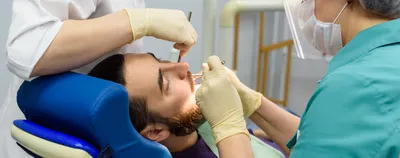
What Affects the Long-Term Success of Dental Treatments?
Long-term dental results depend on more than the treatment itself. Success comes from how well your teeth, gums, bite, and daily habits work together over time. Fillings, crowns, implants, root canals, and orthodontic work can last for many years, but each has risk factors that may lead to repair or replacement.
The biggest drivers of longevity are oral hygiene and gum health. Consistent plaque control, professional cleanings, and early treatment of gum disease reduce decay around restorations and lower implant complication risk. Smoking and active periodontal disease are linked to higher rates of implant problems and tooth loss.
Bite forces and tooth strength also matter. Grinding (bruxism), cracks, large fillings, and heavy bite loads can shorten the life of crowns and restorations, and may require bite adjustments, stronger materials, or a night guard. For implants, excess force combined with poor plaque control can contribute to bone loss.
Finally, outcomes depend on good diagnosis, technique, and materials, plus your general health. Diabetes, dry mouth, and certain medications can affect healing and increase decay risk. Regular follow-ups and X-rays when needed help catch small issues early before they become major failures.
4-minute reading
3350 reading
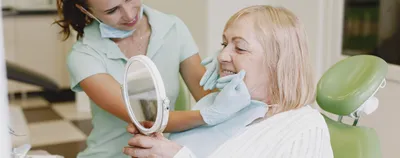
What Is the Best Country for Dental Work?
There isn’t one “best country” for dental work. The best choice depends on the treatment you need, your budget, how easily you can access follow-up care, and how confidently you can verify a clinic’s quality. Savings abroad can be real for higher-cost work like implants, crowns, veneers, and full-mouth rehabilitation, but outcomes depend more on the dentist, materials, infection control, and aftercare planning than the country name.
Start by getting a clear diagnosis at home (written plan + X-rays), then compare overseas quotes on the same scope of work. Be cautious with unusually low prices for complex procedures that require careful planning and healing time. Popular dental tourism destinations include Mexico, Costa Rica, Colombia, Turkey, Hungary, Poland, Thailand, Vietnam, and India, but quality varies within every country.
When comparing options, focus on: clinician credentials for your procedure, sterilisation standards, traceable implant/material brands, access to CBCT imaging when needed, clear documentation you understand, realistic timelines, and a solid plan for aftercare once you return home. Finally, calculate total cost including travel, accommodation, time off work, insurance limits, and possible return visits. In many cases, the best value is where standards are verifiable and follow-up is straightforward.
4-minute reading
3651 reading

Is It Worth Getting Your Teeth Done in Turkey?
Getting your teeth done in Turkey can be worth it for some people, mainly because prices for cosmetic and restorative dentistry are often lower than in the UK, Ireland, parts of Europe, and North America. Many clinics also package treatment with accommodation and transfers, which can make planning feel simpler. But value is not just the upfront cost. The real question is whether the treatment plan is appropriate, the materials and lab work are high quality, and you can access safe aftercare if something goes wrong. Dental work is medical care, and complications can be expensive and stressful to fix once you are back home.
4-minute reading
3266 reading

Which Hospital in Turkey Is Best for Dental Implants?
There is no single “best” hospital in Turkey for dental implants. The right choice depends on your case complexity, the implant team’s experience, the planning and materials they use, infection control standards, and how clearly they explain costs, risks, and aftercare.
Instead of picking the most advertised or cheapest option, compare quality markers: specialist-led care (prosthodontist, periodontist, oral surgeon), appropriate 3D imaging like CBCT, strong sterilisation protocols, and a written treatment plan. Make sure the clinic can manage additional needs such as bone grafting, sinus lifts, gum disease treatment, or full-arch rehabilitation, and that they discuss alternatives when implants aren’t ideal.
For international patients, aftercare matters just as much as placement. Ask which implant system they use, how many visits and healing stages are required, what the warranty covers, and how complications are handled after you return home. Request copies of scans, implant labels, and treatment notes so your local dentist can support long-term maintenance.
4-minute reading
3170 reading

How Can I Verify a Dental Clinic or Dentist?
Verifying a dental clinic or dentist helps you avoid unsafe care, hidden costs, or unqualified providers. A trustworthy clinic should be transparent about credentials, infection control, pricing, and how they handle complications.Use the steps below to check licensing, training, and standards before you book, especially if you are seeking complex treatment (implants, orthodontics, cosmetic work) or traveling for care.
4-minute reading
3333 reading
Is Turkey Good for Dental Treatment?
Yes, Turkey can be a good option for dental treatment, especially compared with private prices in the UK, Europe, or North America, but results depend on the clinic, dentist’s training, materials, and aftercare plan. Many people go for lower costs and short waiting times for veneers, crowns, implants, and full-mouth work, yet bundled packages can hide important clinical details like the implant brand, crown material, or whether a specialist is involved. Before booking, ask for a written treatment plan, verify credentials, and make sure there’s a clear follow-up and emergency care pathway once you return home, because complications or bite adjustments may require extra visits and local dentists may not take over the work.
4-minute reading
3060 reading