Dental Scaling (Tartar Removal): Refresh Your Smile page background

Dental Scaling (Tartar Removal): Refresh Your Smile

  • Best Price Guaranteed
  • Accredited Clinics Only
  • Free 24/7 Medical Assistance
Duration 30–60 m Duration
Anesthesia None Anesthesia
Recovery 1 d Recovery
Pain Level Mild Pain Level
Scarring None Scarring
Success Rate 95–99 % Success Rate
Length of Stay in Türkiye 1–2 d Length of Stay in Türkiye

What is Dental Scaling (Tartar Removal)?

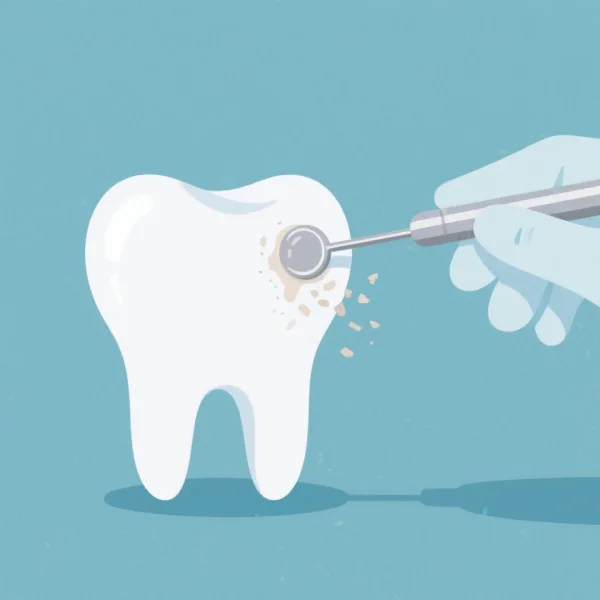
Dental scaling, also called tartar removal, is a professional cleaning treatment used to remove hardened plaque, known as tartar or calculus, from the teeth and along the gumline. It is recommended when regular brushing and flossing are not enough to clear buildup, especially in areas that are difficult to reach at home.


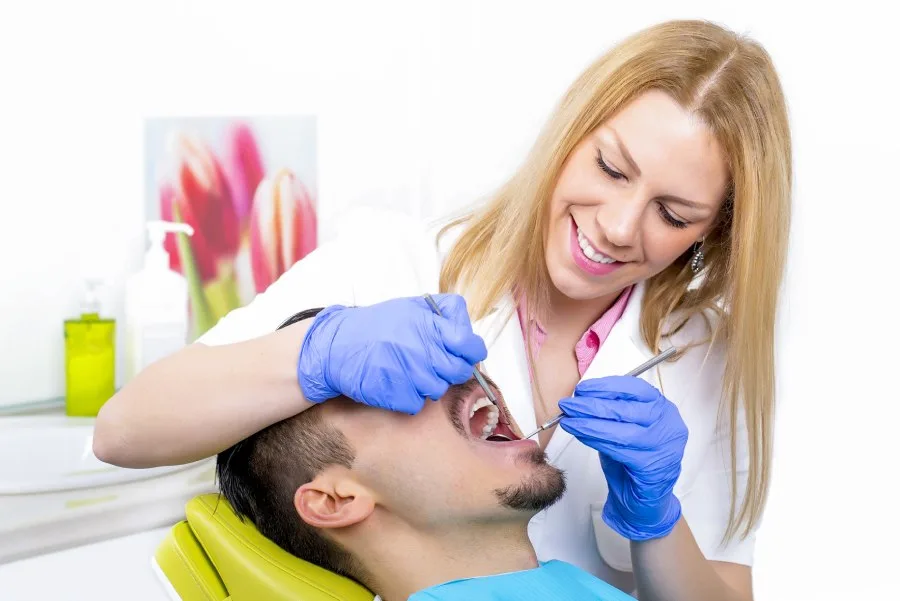
During the procedure, a dentist or dental hygienist uses manual instruments or an ultrasonic scaler to gently clean the tooth surfaces and spaces around the gums. This helps reduce irritation, bleeding, and the risk of gum disease. Dental scaling may be done as part of a routine preventive visit or as an early treatment for gingivitis and periodontal problems.

Who is Dental Scaling (Tartar Removal) for?

Dental scaling (tartar removal) is suitable for people who have plaque and hardened tartar buildup that cannot be removed with regular brushing and flossing. It is commonly recommended for:


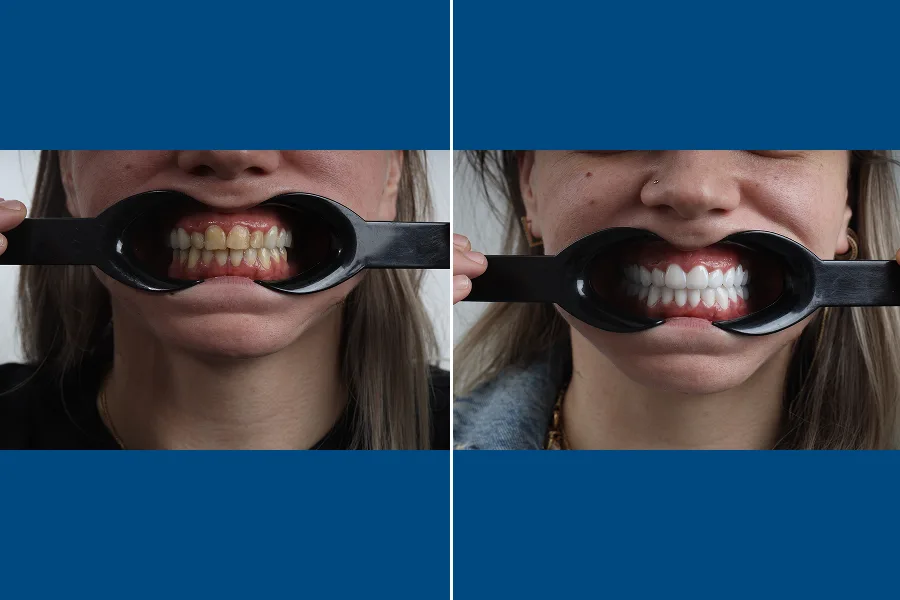
  • Adults with visible tartar along the gumline or between the teeth, especially if they notice yellow or brown deposits.
  • People with early signs of gum disease, such as bleeding gums, bad breath, gum tenderness, or mild gum inflammation.
  • Patients who have not had a professional dental cleaning for some time and need a thorough removal of buildup to protect their teeth and gums.
  • Individuals with crowded teeth, braces, or dental restorations that make daily cleaning more difficult and allow plaque to collect more easily.

A dental examination helps determine whether routine scaling is enough or if deeper periodontal treatment is needed to restore gum health and prevent further problems.

Dental Scaling (Tartar Removal)

How is Dental Scaling (Tartar Removal) done?

Dental Scaling (Tartar Removal) is a professional cleaning procedure used to remove plaque, tartar, and surface stains from the teeth and along the gumline. It is commonly recommended when hardened deposits cannot be removed by regular brushing and flossing alone. Scaling helps reduce gum inflammation, improve oral hygiene, and lower the risk of problems such as gingivitis, bad breath, and early periodontal disease. In some cases, it is done as part of a routine preventive visit, while in others it is performed more thoroughly when there are signs of gum disease.

  1. Examination and Assessment of the Teeth and Gums

    The appointment usually begins with a careful oral examination. The dentist or dental hygienist checks for visible tartar buildup, gum redness, swelling, bleeding, and areas where plaque tends to collect. They may measure the spaces between the teeth and gums, called gum pockets, to see whether there are early signs of periodontal disease. If needed, dental X-rays may be reviewed to assess bone levels and identify tartar below the gumline. This evaluation helps determine whether you need a standard scaling or a deeper cleaning approach.

  2. Preparation and Comfort Measures

    Before the cleaning starts, the dental team explains the procedure and checks whether you have any tooth sensitivity, gum tenderness, or medical conditions that may affect treatment. For routine scaling, anesthesia is often not necessary. However, if the gums are very inflamed, the tartar is heavy, or cleaning needs to go deeper under the gums, a local anesthetic may be used to keep you comfortable. Protective eyewear or a bib is placed, and suction is prepared to keep the mouth clear during the procedure.

  3. Removing Tartar Above the Gumline

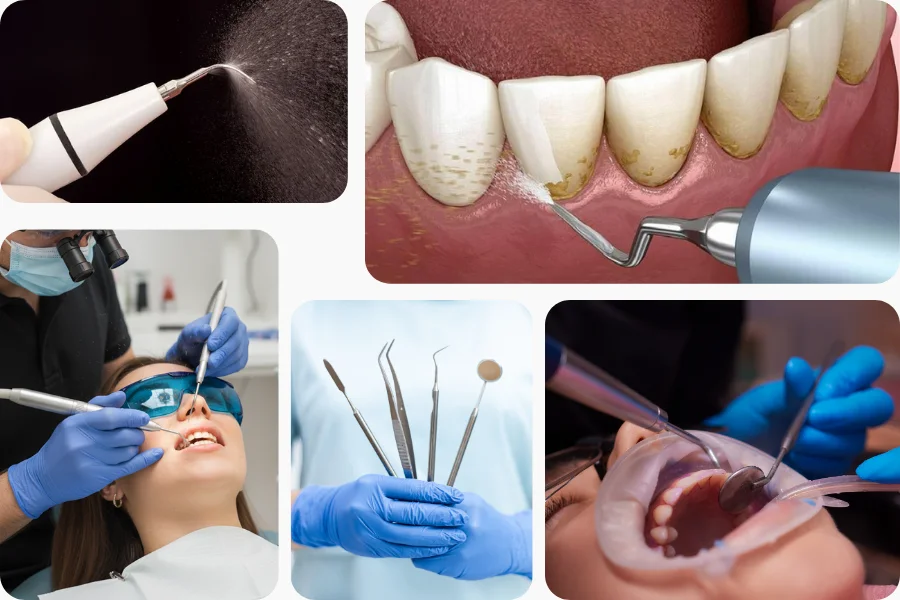
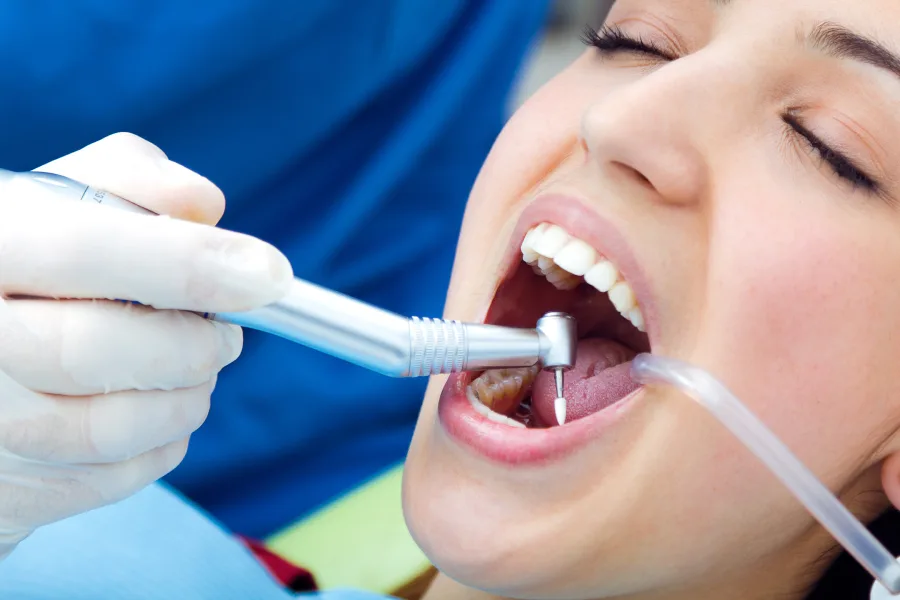
    The main part of scaling begins with the removal of hardened deposits from the visible surfaces of the teeth. The clinician may use an ultrasonic scaler, which vibrates rapidly and sprays a fine stream of water to loosen and wash away tartar. Hand instruments may also be used to gently scrape away buildup in precise areas, especially around crowded teeth or near the gumline. This step focuses on cleaning the outer, inner, and chewing surfaces of the teeth so that plaque-retaining deposits are thoroughly removed.

  4. Cleaning Along and Slightly Below the Gumline

    If tartar has collected at the edge of the gums or just underneath them, the clinician carefully cleans these areas as well. This is important because bacteria trapped below the gumline can contribute to inflammation and bleeding. Special slim instruments are used to reach these spaces without damaging the tooth surface. In patients with mild gum disease, this part of the treatment may be more detailed and may involve cleaning deeper pockets to reduce irritation and help the gums reattach more closely to the teeth.

  5. Polishing the Teeth and Rinsing Away Debris

    After the tartar has been removed, the teeth are often polished using a rotating rubber cup or brush with a special gritty paste. Polishing helps remove surface stains caused by coffee, tea, or smoking, and leaves the teeth feeling smoother. A smoother surface makes it harder for plaque to stick as quickly. The mouth is then rinsed to clear away loosened debris. In some cases, floss is used between the teeth at the end of the visit to remove any remaining particles and check that the contact areas are clean.

  6. Aftercare, Sensitivity, and Follow-Up

    Once the procedure is finished, the dental team may review home care instructions, including proper brushing, flossing, and the use of interdental brushes or mouthwash if needed. It is normal to have mild gum tenderness or temporary tooth sensitivity, especially if there was significant tartar buildup or inflammation before treatment. These symptoms usually settle within a short time. If gum disease is present, follow-up visits may be recommended to monitor healing and maintain cleaner gum pockets. Regular professional cleanings every few months or as advised can help prevent tartar from building up again.

Recovery and expectation?

Recovery after dental scaling (tartar removal) is usually straightforward and much quicker than recovery from surgical dental procedures. The treatment removes hardened plaque and tartar from the teeth and around the gumline, which can leave the gums temporarily sensitive, especially if there was significant buildup or gum inflammation beforehand. Most patients return to normal daily activities right away, but it helps to know what is typical in the hours and days after treatment so you can manage sensitivity, eating, and oral care with confidence.

  1. Immediate Post-Treatment Period (First Few Hours)

    Right after scaling, it is common to notice mild gum tenderness, slight bleeding, and temporary tooth sensitivity, especially to cold air, cold drinks, or sweet foods. If deeper cleaning was done below the gumline, the gums may feel a little sore or irritated once the numbness wears off. Some patients also notice that their teeth feel smoother or slightly different because tartar deposits have been removed. You can usually eat the same day, but softer foods and lukewarm drinks may feel more comfortable at first.

  2. Early Gum Settling (24-72 Hours)

    During the first 1 to 3 days, any minor bleeding should stop, and gum soreness usually begins to improve. If your gums were inflamed before treatment, they may look less puffy as they start healing. It is still normal to have brief sensitivity when brushing, flossing, or drinking something cold. Good oral hygiene is important during this stage, but it should be gentle. Use a soft toothbrush, brush carefully along the gumline, and follow any instructions your dentist gives about mouthwash or desensitizing toothpaste. Avoid smoking, and try not to eat very spicy, acidic, or extremely hot foods if they trigger discomfort.

  3. Improvement in Comfort and Gum Health (3-7 Days)

    Most patients feel noticeably better within a few days. The gums often become firmer and less irritated, and sensitivity starts to fade. If tartar had been sitting between the teeth or near the roots, you may briefly notice that the spaces feel more open than before, but this is usually just the result of removing buildup rather than a new problem. Continue regular brushing and flossing, because clean gums heal best when plaque is kept under control. If your dentist treated gum disease at the same visit, recovery may take a little longer, and follow-up cleaning or monitoring may be recommended.

  4. Short-Term Stabilization (1-2 Weeks)

    By the end of the first week, most lingering tenderness has settled, and the gums should look healthier, with less redness and less bleeding during brushing. Tooth sensitivity, if present, is usually mild and continues to improve over this period. Patients who had heavy tartar buildup or deeper scaling may need a bit more time before everything feels fully normal. This is also the stage when you may start to notice the benefits of treatment more clearly, including fresher breath, smoother tooth surfaces, and easier home cleaning. If your dentist advised a review appointment, it is important to attend so gum healing can be checked.

  5. Ongoing Maintenance and Long-Term Expectations (After 2 Weeks and Beyond)

    Once the gums have settled, there is usually no ongoing recovery in the usual sense, but long-term results depend on maintenance. Dental scaling removes existing tartar, but it does not stop new plaque from forming. Brushing twice daily, cleaning between the teeth, and having regular professional cleanings are the best ways to keep the gums healthy and reduce future buildup. If scaling was done as part of treatment for gingivitis or early gum disease, your dentist may recommend more frequent hygiene visits to help maintain the improvement and prevent deeper periodontal problems.

Why Choose Türkiye for Dental Scaling (Tartar Removal)?

Türkiye is a popular choice for dental scaling (tartar removal) because it combines qualified dental professionals, modern hygiene-focused clinics, and more accessible pricing than many countries in Europe or North America. Although scaling is considered a routine dental treatment, it still requires careful technique, proper assessment of gum health, and attention to patient comfort. For international patients who want reliable preventive care or need professional cleaning as part of a wider dental plan, clinics in Türkiye often provide a smooth and well-organized experience.

Dental scaling is not only about removing visible tartar from the teeth. It also helps reduce plaque buildup below the gumline, lower the risk of gum inflammation, and support fresher breath and better long-term oral health. Many clinics in Türkiye begin with a detailed examination, which may include digital dental X-rays, periodontal evaluation, and a review of bleeding, gum recession, or signs of early gum disease. This approach helps dentists and hygienists decide whether a standard cleaning is enough or whether deeper periodontal care is needed. For patients traveling from abroad, this level of assessment adds reassurance and helps create a treatment plan that is both practical and clinically appropriate.

  • Türkiye offers access to experienced dentists and dental hygienists who regularly perform preventive and periodontal cleaning procedures, including cases with heavy tartar buildup or sensitive gums.
  • Many clinics use ultrasonic scaling devices, polishing systems, and digital diagnostics, helping remove deposits efficiently while protecting the tooth surface and surrounding gum tissue.
  • Patients often receive personalized oral hygiene advice, including guidance on brushing technique, flossing, interdental cleaning, and how to reduce future tartar accumulation.
  • Clinics typically place strong emphasis on sterilization protocols, infection control, and patient comfort, which is especially important even for short, non-surgical dental visits.
  • Cost advantages make routine dental care easier to access, whether patients are booking a single cleaning session or combining scaling with check-ups, fillings, whitening, or other treatments.
  • Türkiye's well-developed medical tourism infrastructure and convenient flight connections help international patients arrange appointments, accommodation, and local transport with less difficulty.

Another reason patients choose Türkiye for dental scaling is the convenience of combining preventive care with broader dental evaluation. A professional cleaning can be an important first step before cosmetic dentistry, restorative work, or implant planning, because healthier gums and cleaner tooth surfaces allow the dental team to assess the mouth more accurately. Many clinics also provide clear explanations about whether staining is superficial, whether gum pockets need closer monitoring, and how often future cleanings should be scheduled based on the patient's oral health habits and risk factors.

Patients also value the supportive aftercare that often follows treatment. Even after a simple tartar removal session, clinics may advise on temporary sensitivity, foods and drinks to avoid for a short period, and the best products to use at home. This practical guidance can make a noticeable difference, especially for people who have not had a professional cleaning in a long time or who are managing early signs of gingivitis.

Türkiye's strong position in the global health tourism market is built on years of investment in private dental clinics, international patient coordination, and consistent clinical experience across a wide range of treatments. By welcoming large numbers of international visitors every year, Türkiye has developed a reputation for organized care, accessible treatment pathways, and dependable patient support. This success in health tourism makes Türkiye a trusted option for patients seeking dental scaling in a professional, comfortable, and efficient setting.

Dental Scaling (Tartar Removal)

Frequently Asked Questions about Dental Scaling (Tartar Removal)

Page Contributors

Heal Road Medical Reviewer

Heal Road Medical Reviewer

Medical Reviewer

Views
1267 views
Reading Time
Last Updated

Related Articles

Guides and insights connected to this treatment.

A Step-by-Step Guide to Dental Scaling (Tartar Removal) in Turkey

A Step-by-Step Guide to Dental Scaling (Tartar Removal) in Turkey

Dental scaling, also known as tartar removal, is a crucial procedure for maintaining oral health and preventing gum disease. In recent years, Turkey has emerged as a popular destination for dental treatments, offering advanced care at affordable prices. This step-by-step guide will help you understand the dental scaling process in Turkey, ensuring you know what to expect from your initial consultation to your final results.
9 min 858 reads
Oct. 3, 2025
Can Dental Treatments Be Done with Sedation?

Can Dental Treatments Be Done with Sedation?

Yes, many dental treatments can be done with sedation. It uses medication to help you relax and reduce anxiety (it’s different from local anaesthetic, which numbs the area, and you’ll usually still need local anaesthetic even with sedation). Sedation may be recommended for dental phobia, strong gag reflex, difficulty sitting still, special healthcare needs, or long/complex treatment. Common options include minimal sedation (nitrous oxide or tablets), moderate/conscious sedation (often IV), and in selected cases deep sedation or general anaesthesia (typically for major surgery or severe anxiety, with higher monitoring needs). It’s generally safe when delivered by trained teams with proper screening and monitoring, but it carries risks like nausea, dizziness, low oxygen levels, or deeper-than-intended sedation. Risk can be higher with conditions such as sleep apnoea, severe obesity, heart/lung disease, pregnancy, or use of opioids/alcohol/sedating meds. After oral/IV sedation you’ll usually need an escort and may be told not to drive, drink alcohol, or make important decisions for a period. Before booking, ask which type is recommended, who administers it, what monitoring is used, what fasting rules apply, how recovery works, and what restrictions you’ll have afterward.
4 min 525 reads
Feb. 14, 2026
What Affects the Long-Term Success of Dental Treatments?

What Affects the Long-Term Success of Dental Treatments?

Long-term dental results depend on more than the treatment itself. Success comes from how well your teeth, gums, bite, and daily habits work together over time. Fillings, crowns, implants, root canals, and orthodontic work can last for many years, but each has risk factors that may lead to repair or replacement. The biggest drivers of longevity are oral hygiene and gum health. Consistent plaque control, professional cleanings, and early treatment of gum disease reduce decay around restorations and lower implant complication risk. Smoking and active periodontal disease are linked to higher rates of implant problems and tooth loss. Bite forces and tooth strength also matter. Grinding (bruxism), cracks, large fillings, and heavy bite loads can shorten the life of crowns and restorations, and may require bite adjustments, stronger materials, or a night guard. For implants, excess force combined with poor plaque control can contribute to bone loss. Finally, outcomes depend on good diagnosis, technique, and materials, plus your general health. Diabetes, dry mouth, and certain medications can affect healing and increase decay risk. Regular follow-ups and X-rays when needed help catch small issues early before they become major failures.
4 min 480 reads
Feb. 13, 2026
How Many Clinics Will Review My Case?

How Many Clinics Will Review My Case?

In most cases, your file may be reviewed by more than one clinic, but the number depends on the service, how complete your records are, and how complex your needs are. Matching/referral programs usually share your case with clinics that fit your diagnosis, location preferences, budget, and timeline, sometimes with several clinics at once and sometimes starting with a short shortlist. Clinics decide whether to review or accept a case based on scope, specialist availability, safety, and whether key documents are included (recent imaging, reports, operative notes, doctor summary). Straightforward cases with flexible preferences can be reviewed by multiple clinics quickly, while highly specialised or complex cases may be reviewed by fewer clinics and can take longer because multiple departments may need to weigh in. You can influence the process by stating priorities (broad search vs one centre/surgeon) and sending complete records early. Also note that “review” can mean a quick eligibility screen or a deeper second opinion/treatment plan, with different timelines and fees. Finally, a review doesn’t guarantee acceptance; it’s meant to find the safest, most appropriate options and set realistic expectations.
4 min 399 reads
Feb. 12, 2026

How It Works?

File-up

Create Your
Treatment Request

Complete the form in less than 2 minutes.

Receive Offers
Privately

Offers are prepared by verified clinics without sharing your personal information.

Compare &
Choose

Review transparent pricing and package details side-by-side.

We Plan the
Entire Journey

Appointments, transfers, accommodation, and city tours are organized for you.

Your Advantages with HealRoad

Instant Offers icon

Instant Offers

Receive and compare treatment offers from top clinics within minutes—no waiting list.

Transparent Fixed Price icon

Transparent Fixed Price

Keep your budget under control with all-inclusive packages, free from hidden extra costs.

24/7 Personal Coordinator icon

24/7 Personal Coordinator

From flight booking to full recovery, get dedicated guidance whenever you need assistance.

Botan

Botan

Personal Heal Road Manager

From Discovery

to Recovery

Coordinator

WhatsApp quick contact

Coordinator

Emin

Personal Heal Road Manager

About

I am here to assist you throughout your entire medical journey with Heal Road.

By continuing, you’ll be redirected to WhatsApp.