


Dental Treatments · PFM Crown (Porcelain-Fused-to-Metal)

Dental Treatments
PFM Crown (Porcelain-Fused-to-Metal): Strength, Meets Smile
Learn about PFM crown treatment in Turkey, a dental restoration with a metal base and porcelain outer layer for damaged or weakened teeth.
Page Contributors


1–2 h
Duration

1–2 d
Recovery

Mild
Pain Level

None
Scarring

95–99 %
Success Rate

Local
Anesthesia
What is PFM Crown (Porcelain-Fused-to-Metal)?
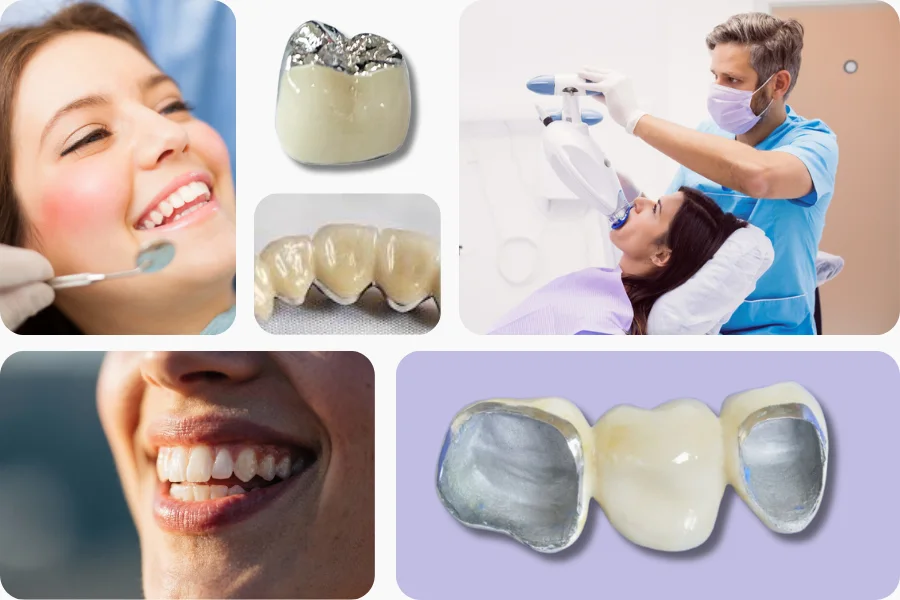
PFM crown (porcelain-fused-to-metal) is a type of dental crown used to restore and protect a damaged, weakened, or heavily filled tooth. It has a strong metal base for durability, covered with a tooth-colored porcelain outer layer to improve appearance. This combination makes it a common option for both front and back teeth, especially when strength and function are important.
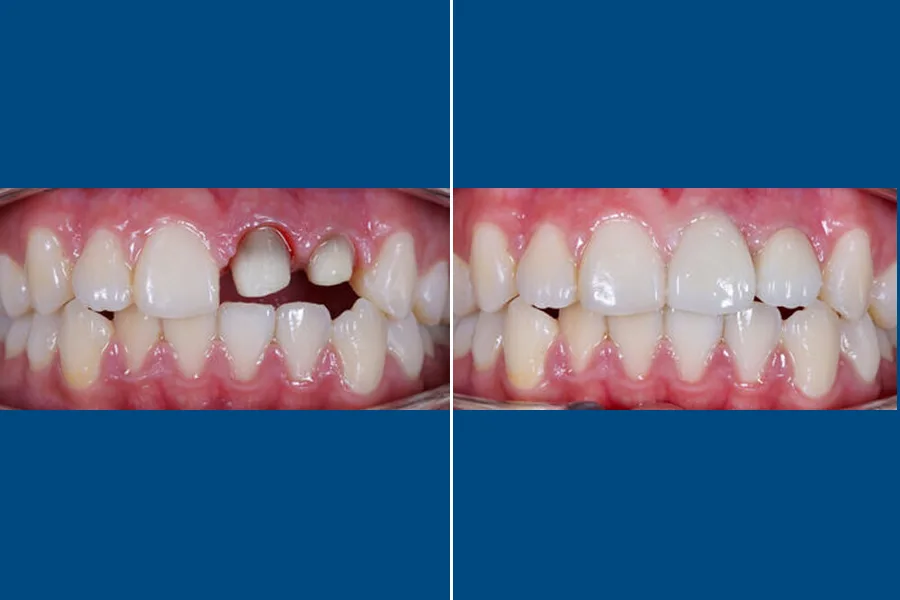
Before placing the crown, the dentist reshapes the tooth and takes impressions or digital scans so the crown can be custom made. A PFM crown can help rebuild a tooth after decay, fracture, root canal treatment, or large fillings, while also improving its shape and bite. It offers both structural support and a natural-looking finish, although the metal underneath may sometimes become visible near the gum line over time.

Who is PFM Crown (Porcelain-Fused-to-Metal) for?
PFM crown (porcelain-fused-to-metal) is suitable for people who need to restore a damaged or weakened tooth while maintaining a natural-looking appearance. This treatment is often a good option for:
- Adults with teeth that are badly decayed, cracked, worn down, or weakened and need full coverage for protection and function.
- Patients who have had a root canal and need a durable crown to strengthen and seal the treated tooth.
- Individuals looking for a balance between strength and aesthetics, especially for premolars or molars that are visible when smiling.
- People who want a more affordable alternative to all-ceramic crowns while still achieving a tooth-colored outer appearance.
- Those replacing an old crown or restoring a tooth with a large filling that no longer provides enough support.
PFM crowns are best for patients with healthy gums and good oral hygiene, and for those who understand that the metal base may become slightly visible near the gum line over time.
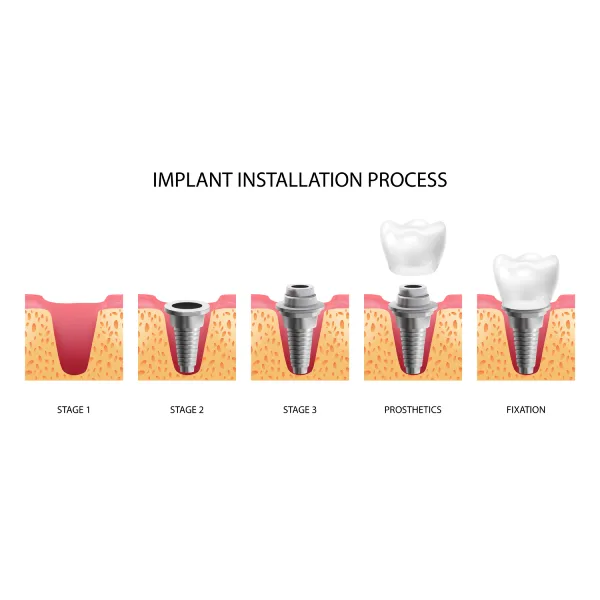
PFM Crown (Porcelain-Fused-to-Metal) benefits
-
Strong restoration core
-
Proven material option
-
Cost-conscious option
-
Durability planning
-
Reliable fit
-
Aesthetic customization
How is PFM Crown (Porcelain-Fused-to-Metal) done?
A PFM crown (porcelain-fused-to-metal crown) is a fixed dental restoration used to rebuild and protect a damaged tooth. It has a strong metal substructure on the inside and a tooth-colored porcelain layer on the outside, which helps combine durability with a natural appearance. PFM crowns are commonly used for teeth that are weakened by large fillings, fractures, root canal treatment, or significant wear. The treatment is usually completed over two visits, although some clinics may adjust the timeline depending on the case.
-
Examination, X-rays, and Treatment Planning
The process begins with a full dental assessment. The dentist examines the tooth, checks the gums, and takes X-rays or digital scans to see the roots, surrounding bone, and any hidden decay or infection. This step confirms whether the tooth can support a crown or whether other treatment, such as a filling build-up, gum care, or root canal therapy, is needed first.
-
Local Anesthesia and Tooth Preparation
Once the plan is confirmed, the area is numbed with local anesthesia so the procedure is comfortable. The dentist then reshapes the tooth by removing a controlled amount of enamel and, if necessary, some old filling material or weakened structure. Enough space must be created for both the metal coping and the porcelain layer, while still preserving as much healthy tooth as possible.
-
Core Build-Up if the Tooth Needs Extra Support
If the tooth has lost too much structure, the dentist may place a core build-up before making the crown. This involves rebuilding the tooth with a strong dental material so the crown has a stable foundation. In teeth that have had root canal treatment, a post may sometimes be placed inside the root canal to help retain the build-up, depending on the amount of remaining tooth structure.
-
Impressions, Bite Records, and Shade Selection
After the tooth is prepared, the dentist takes digital scans or traditional impressions of the tooth and surrounding teeth. A bite record is also taken so the dental lab can design the crown to fit properly when you close your mouth. The visible porcelain shade is selected to match your natural teeth as closely as possible, especially if the crown is for a front or premolar tooth.
-
Temporary Crown Placement
Because the final PFM crown is usually made in a dental laboratory, a temporary crown is often placed at the end of the first visit. This temporary restoration protects the prepared tooth, reduces sensitivity, and helps maintain appearance and chewing function while the permanent crown is being fabricated. You are usually advised to avoid very sticky or hard foods until the final crown is fitted.
-
Laboratory Fabrication of the PFM Crown
In the laboratory, the technician creates a custom metal framework that fits precisely over the prepared tooth. Layers of porcelain are then applied over the metal and shaped to resemble the natural contours of a tooth. The crown is baked at high temperature to bond the porcelain to the metal, then adjusted, polished, and finished so it is both strong and aesthetically acceptable.
-
Try-In, Fit Check, and Final Cementation
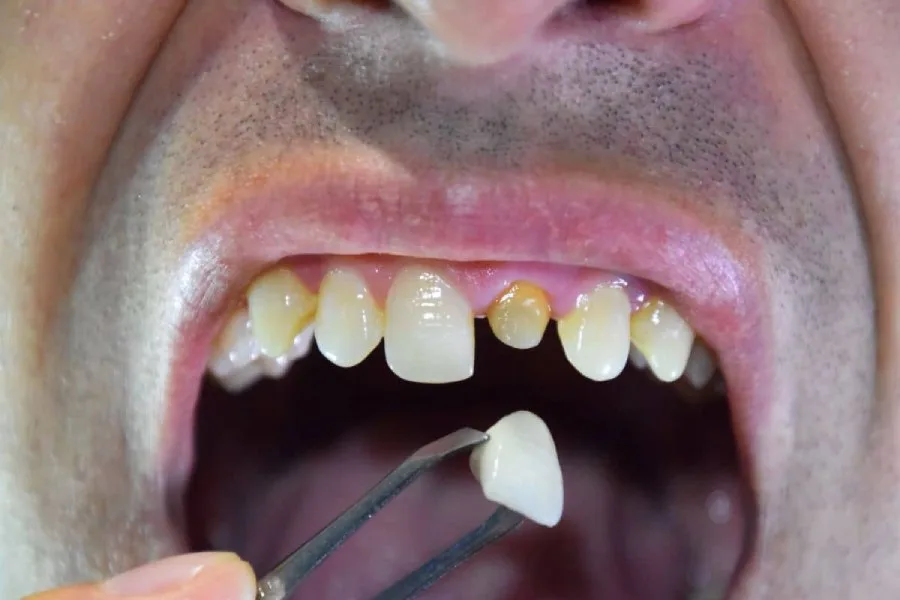
At the second appointment, the temporary crown is removed and the final PFM crown is tried in. The dentist checks the fit, margins, contact with neighboring teeth, bite, and color. Minor adjustments may be made to improve comfort or chewing balance. Once everything is satisfactory, the crown is cemented onto the tooth with dental cement, creating a secure and long-lasting restoration.
-
Aftercare, Adaptation, and Follow-Up
After placement, the tooth and surrounding gum may feel slightly sensitive for a short time, especially when biting or with hot and cold foods. The dentist may recommend avoiding very hard foods for the first day and keeping the area clean with regular brushing and flossing. Follow-up is important if the bite feels high or uncomfortable, because small adjustments can improve comfort and help protect the crown and opposing teeth over time.
Recovery and expectation?
Recovery after a PFM Crown (Porcelain-Fused-to-Metal) is usually straightforward, but it still follows a gradual timeline. A PFM crown is designed to restore a damaged, weakened, or heavily filled tooth by covering it with a strong metal base and a tooth-colored porcelain outer layer. Your recovery can vary depending on whether the tooth needed significant reshaping, root canal treatment, gum work, or a temporary crown before the final crown was placed. Understanding what is normal can help you manage sensitivity, protect the new crown, and know when to contact your dentist.
-
Immediate Aftercare (First 24–48 Hours)
After the tooth is prepared, it is common to have mild soreness in the tooth, gum tenderness, and sensitivity to hot or cold foods. If local anesthesia was used, your lips, cheek, or tongue may stay numb for a few hours, so it is best to avoid chewing until the feeling returns. If you received a temporary crown, it may feel slightly different from your natural tooth and can be more delicate than the final restoration. During this stage, choose softer foods, chew on the opposite side if possible, and avoid sticky items such as chewing gum or caramel that could loosen the temporary crown.
-
Early Adjustment Period (Days 3–7)
In the first several days, any irritation from the preparation process usually begins to settle. The gum around the treated tooth may still look slightly red or feel tender, especially if the crown margin sits close to the gumline. Temperature sensitivity is still possible, particularly if the tooth nerve is alive and the tooth had deep decay or a large filling beforehand. If you are wearing a temporary crown, be gentle when brushing and floss carefully by sliding the floss out to the side rather than lifting it straight up. Most people can continue normal daily activities, but it is wise to avoid hard, crunchy, or very sticky foods until the final crown is securely cemented.
-
Final Crown Placement and Early Healing (1–2 Weeks)
If your treatment is completed in stages, this is often when the final PFM crown is fitted and cemented. Right after placement, the tooth may feel slightly tight, high, or unfamiliar when you bite down. Mild sensitivity to pressure or temperature can continue for a few days while the tooth and surrounding tissues adapt. Your dentist will usually check the bite carefully, because even a small imbalance can make the crown feel uncomfortable or cause jaw soreness. Once the final crown is in place, you can usually return to a more normal diet, but it is still sensible to avoid biting directly on very hard foods, such as ice, hard candy, or nutshells, while everything settles.
-
Settling In (2–6 Weeks)
Over the next few weeks, the crown should begin to feel more natural in your mouth. Any lingering gum tenderness generally improves, and the bite should feel balanced during chewing. Some patients notice brief sensitivity when drinking cold beverages or biting on firm foods, but this usually fades as the tooth calms down. If the tooth had extensive damage before treatment, the recovery may take a little longer. During this period, maintain careful brushing, daily flossing, and regular rinsing if advised. Good cleaning around the crown margin is important because plaque buildup can irritate the gums and affect the long-term health of the tooth underneath.
-
Long-Term Comfort and Maintenance (2–3 Months and Beyond)
By this stage, most patients feel that the crown is fully integrated into normal chewing and speaking. The gum tissue should look healthier and more settled, and the tooth should no longer feel noticeably different from the surrounding teeth. Long-term success depends on good oral hygiene, routine dental checkups, and avoiding habits that place excessive force on the crown. Although PFM crowns are durable, the porcelain surface can still chip under heavy pressure, and the tooth underneath can still develop decay at the edges if cleaning is poor. If you grind or clench your teeth, your dentist may recommend a night guard to help protect both the crown and your natural teeth.
Why Choose Türkiye for PFM Crown (Porcelain-Fused-to-Metal)?
Türkiye is a well-established destination for PFM Crown (Porcelain-Fused-to-Metal) treatment, offering a practical balance of experienced restorative dentists, modern dental laboratories, and cost-conscious treatment options. Many international patients choose Türkiye not only because prices are often more accessible than in many other countries, but also because treatment can usually be arranged quickly and efficiently, with clear planning from consultation to final fitting.
PFM crowns are commonly used to restore teeth that are weakened, heavily filled, root canal treated, or structurally damaged. They combine a strong metal substructure with a porcelain outer layer, helping provide both durability and a natural appearance. In Türkiye, clinics often begin with a detailed examination that may include digital X-rays, intraoral scans, and bite assessment to determine whether a PFM crown is the most suitable option. This careful planning helps ensure the crown fits well, supports chewing function, and blends as naturally as possible with surrounding teeth.
- Türkiye provides access to experienced prosthetic and restorative dental teams who regularly place crowns for both local and international patients, with attention to function, comfort, and appearance.
- Many clinics work with modern imaging systems and dental labs, supporting precise crown design, accurate fit, and reliable shade matching for porcelain surfaces.
- A strong focus on patient safety and treatment planning includes checking gum health, evaluating the underlying tooth, and explaining whether additional procedures such as root canal treatment or core build-up are needed first.
- Competitive pricing makes PFM crowns more attainable for many patients, especially when compared with costs in the UK, Europe, or North America, while still allowing access to reputable clinics and quality materials.
- With frequent international flights and well-known treatment hubs such as Istanbul, Antalya, and Izmir, Türkiye is convenient for patients traveling from abroad for short dental visits.
- Many visitors value the chance to combine treatment with a comfortable stay and recovery period, supported by hospitality services, multilingual staff in many clinics, and a welcoming travel environment.
Türkiye has built a strong reputation in the health tourism market through experienced clinicians, internationally focused dental centers, and organized care pathways for overseas patients. Each year, the country receives a high number of international visitors seeking restorative and cosmetic dental treatment, including crowns, bridges, implants, and full-mouth rehabilitation. This success is supported by efficient scheduling, transparent communication, and clinics that are accustomed to coordinating treatment within limited travel timelines. For patients considering PFM Crown treatment, Türkiye stands out for its combination of quality dental care, accessibility, and a proven record in international health tourism.
Customize your treatment estimate
Start with PFM Crown (Porcelain-Fused-to-Metal) selected. Adjust the answers below to refine the average estimate shown above.
Your estimate will appear here.
Frequently Asked Questions about PFM Crown (Porcelain-Fused-to-Metal)
How natural does a PFM Crown look compared with neighboring teeth?

PFM Crown (Porcelain-Fused-to-Metal) can look quite natural and is designed to blend in with neighboring teeth, especially when carefully color-matched by your dentist or dental lab.
The outer porcelain layer is made to mimic the color and shape of a natural tooth, but the underlying metal substructure can sometimes make the crown appear slightly less translucent than natural enamel.
- Good esthetics: PFM crowns usually provide a natural-looking result for many visible and back teeth.
- Color matching: The porcelain can be shaded to closely match adjacent teeth.
- Possible limitation: In some lighting, the crown may look a little more opaque than natural teeth.
- Gumline effect: Over time, a faint dark line near the gum may appear in some cases because of the metal underneath.
For many patients, a PFM crown offers a good balance of appearance and strength. If the tooth is in a highly visible area, your dentist may also discuss whether other all-ceramic options could provide an even more natural look.
Will a PFM Crown feel different from a natural tooth in everyday use?
PFM Crown (Porcelain-Fused-to-Metal) can feel slightly different from a natural tooth at first, but in everyday use, most patients adjust quickly and find it comfortable and functional.
Because the crown is custom-made to fit your bite and surrounding teeth, it is designed to look natural and allow normal speaking and chewing. After a short adjustment period, many people hardly notice it in daily life.
- Initial adjustment: It may feel a little different for a few days as your mouth gets used to the new crown.
- Chewing and speaking: A well-fitted PFM Crown should let you eat and speak comfortably.
- Sensation: It will not feel exactly like untouched natural enamel, but it should feel stable and smooth.
- When to check with your dentist: If the crown feels too high, uncomfortable, or causes sensitivity that does not improve, it may need adjustment.
Your dentist can fine-tune the fit if needed to help your PFM Crown feel as natural and comfortable as possible.
How durable is a PFM Crown for long-term chewing and daily wear?
PFM Crown (Porcelain-Fused-to-Metal) restorations are generally considered durable and reliable for long-term chewing and everyday use. Because they combine a strong metal substructure with a tooth-colored porcelain outer layer, they are often able to withstand normal biting forces well.
With good oral hygiene and regular dental check-ups, a PFM crown can often last around 10 to 15 years or longer, although its lifespan depends on factors such as bite pressure, tooth grinding, diet, and overall oral health.
- Strong for chewing: The metal base provides solid support, making PFM crowns suitable for both front and back teeth.
- Resistant to daily wear: They usually hold up well under normal everyday function.
- Possible porcelain chipping: While durable, the outer porcelain layer can sometimes chip or wear, especially in patients who grind their teeth.
- Long-term care matters: Good brushing, flossing, and routine dental visits help extend the life of the crown.
If you have habits such as teeth grinding or clenching, your dentist may recommend a night guard to help protect the crown and improve its long-term durability.
Can a PFM Crown stain or change color over time?
PFM Crown (Porcelain-Fused-to-Metal) crowns are generally resistant to staining, especially on the porcelain surface, but they can sometimes appear to change color over time for a few reasons.
- Porcelain resists stains: The outer porcelain layer does not usually absorb stains as easily as natural teeth.
- Surface wear: If the porcelain becomes worn or rough, it may collect more surface discoloration.
- Gum recession: Over time, the gums may recede and expose the metal margin, which can create a dark line near the gumline.
- Underlying changes: Staining around the crown may also come from plaque buildup, cement discoloration, or changes in the surrounding tooth and gums.
So while the crown itself usually does not dramatically stain, its appearance can change with age, wear, and gum changes. Good oral hygiene and regular dental check-ups can help keep a PFM crown looking its best.
Are there any visible dark lines or metal edges that may appear near the gums?
With a PFM Crown (Porcelain-Fused-to-Metal), a dark line or metal edge can sometimes become visible near the gums, especially over time.
This happens because the crown has a metal substructure underneath the porcelain. If the gums recede slightly or the crown margin is placed in a visible area, the metal may show as a gray or dark line along the gumline.
- More noticeable in front teeth: It may be easier to see in highly visible areas of the smile.
- Less noticeable in back teeth: In molars and premolars, appearance is often less of a concern.
- Gum recession: Receding gums can make the metal edge more visible over time.
- Aesthetic alternatives: All-ceramic or zirconia crowns are often chosen when avoiding dark gumline shadows is important.
A well-made PFM crown can still look very natural, but if you are especially concerned about cosmetic appearance near the gums, your dentist may recommend a metal-free option.
How many clinic visits are usually needed to complete a PFM Crown treatment?
PFM Crown (Porcelain-Fused-to-Metal) treatment usually takes 2 to 3 clinic visits, depending on the condition of the tooth and whether any additional procedures are needed.
- First visit: The dentist examines and prepares the tooth, may remove decay or old filling material, and takes an impression or digital scan.
- Second visit: The final PFM crown is fitted, adjusted, and cemented in place once it has been made by the dental lab.
- Possible extra visit: In some cases, a separate appointment may be needed for consultation, root canal treatment, build-up, or additional adjustments.
Many patients receive a temporary crown between visits to protect the prepared tooth while the permanent crown is being fabricated.
Your dentist can give you a more exact estimate based on your tooth condition, the clinic workflow, and whether the crown is made by an outside lab or with in-house technology.
What kind of daily care and cleaning does a PFM Crown require?
PFM Crown (Porcelain-Fused-to-Metal) care is usually very similar to caring for a natural tooth. Daily cleaning is important to help protect the crown margins, surrounding gums, and the tooth underneath the crown.
Most patients are advised to maintain a consistent oral hygiene routine every day.
- Brush twice a day with a soft-bristled toothbrush and fluoride toothpaste.
- Floss daily to clean around the crown and along the gumline, where plaque can build up.
- Use interdental brushes or water flossers if recommended by your dentist for easier cleaning around the restoration.
- Rinse with mouthwash if advised, especially if you are prone to gum inflammation or plaque buildup.
- Avoid chewing very hard objects such as ice, pens, or hard candies, which may damage the porcelain.
Regular dental check-ups and professional cleanings are also important so your dentist can monitor the condition of the crown and make sure the surrounding tooth and gums stay healthy.
Although a PFM Crown does not decay itself, the natural tooth structure at the edge of the crown can still develop problems if plaque is not removed properly. Good daily care helps your crown last longer and keeps your mouth healthy.
Are there any food or habit restrictions after getting a PFM Crown?
After getting a PFM Crown (Porcelain-Fused-to-Metal), there are usually some temporary precautions at first and a few long-term habits to avoid in order to protect the crown.
In the first few days, especially if you have a temporary crown or your mouth feels sensitive, it is best to choose softer foods and avoid anything extremely hard, sticky, or very hot and cold.
- Avoid hard foods: Ice, hard candies, nuts, and unpopped popcorn kernels can chip the porcelain.
- Avoid sticky foods: Caramel, chewing gum, and very sticky sweets may loosen a temporary crown or put stress on the restoration.
- Be careful with chewing: Try not to bite directly on very hard foods with the new crown, especially right after placement.
- Avoid harmful habits: Nail-biting, chewing pens, opening packages with your teeth, and teeth grinding can damage the crown.
Once the permanent PFM crown is fully cemented and you have adjusted to it, most patients can return to a fairly normal diet. However, it is still wise to limit habits and foods that could crack, chip, or wear down the porcelain over time.
If you grind your teeth at night, your dentist may recommend a night guard to help protect both the crown and your natural teeth.
How long does a PFM Crown typically last before it may need replacement?
PFM Crown (Porcelain-Fused-to-Metal) typically lasts around 10 to 15 years, but many can last even longer with good oral hygiene and regular dental check-ups.
The exact lifespan depends on factors such as the location of the crown, your bite force, whether you grind your teeth, and how well you care for your teeth and gums.
- Average lifespan: Often 10 to 15 years, sometimes longer.
- May need replacement sooner if: The porcelain chips, the metal margin becomes visible, decay develops under the crown, or the crown becomes loose.
- Can last longer with: Daily brushing and flossing, avoiding very hard foods, and wearing a night guard if you clench or grind your teeth.
Your dentist will monitor the crown over time and recommend replacement if there are signs of wear, damage, poor fit, or decay around the tooth.
Is a PFM Crown easy to repair or replace if it becomes chipped or damaged?
PFM Crown (Porcelain-Fused-to-Metal) can sometimes be repaired if the damage is minor, but this depends on how much of the porcelain has chipped and whether the underlying metal structure is still intact.
Small chips may occasionally be smoothed or repaired with dental bonding, especially if they are in a less visible area. However, larger fractures or damage that affects the fit, bite, or appearance of the crown often mean the crown will need to be replaced.
- Minor damage: May be repaired chairside in some cases.
- Moderate to severe damage: Often requires a new crown.
- Metal exposure: If the porcelain breaks enough to show the metal underneath, replacement is more commonly recommended for both function and appearance.
- Assessment: Your dentist will check the crown, the tooth underneath, and your bite before deciding on repair or replacement.
In general, replacement is straightforward for a damaged PFM crown, but the best option depends on the extent of the damage and the condition of the supporting tooth.
Clinics offering PFM Crown (Porcelain-Fused-to-Metal)
Compare verified clinic profiles connected to this treatment.



Related Articles
Guides and insights connected to this treatment.

A Step-by-Step Guide to PFM Crown (Porcelain-Fused-to-Metal) in Turkey

When Is the Best Time to Travel to Turkey for Dental Care?
