Create Your
Treatment Request
Create Your
Treatment
Request
Complete the form in less than 2 minutes.
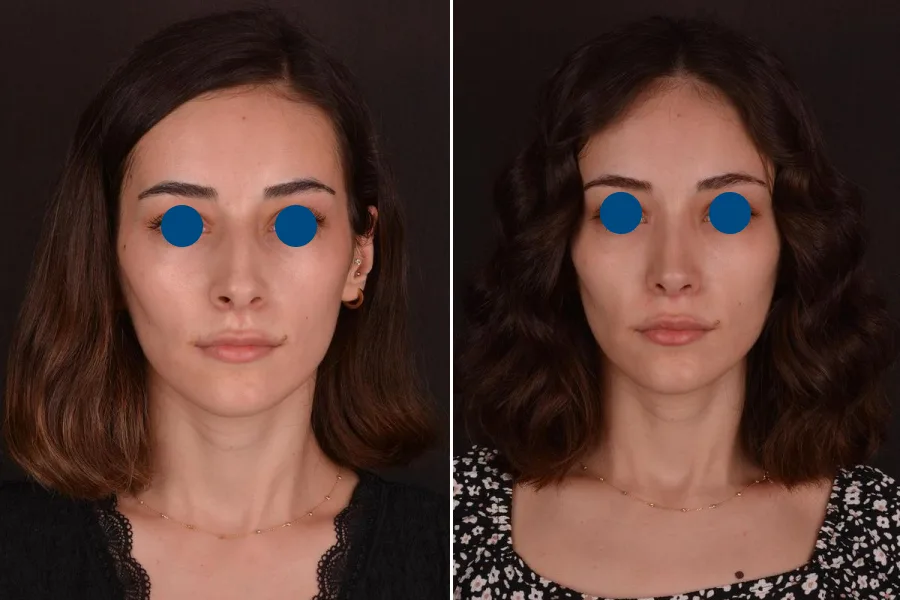
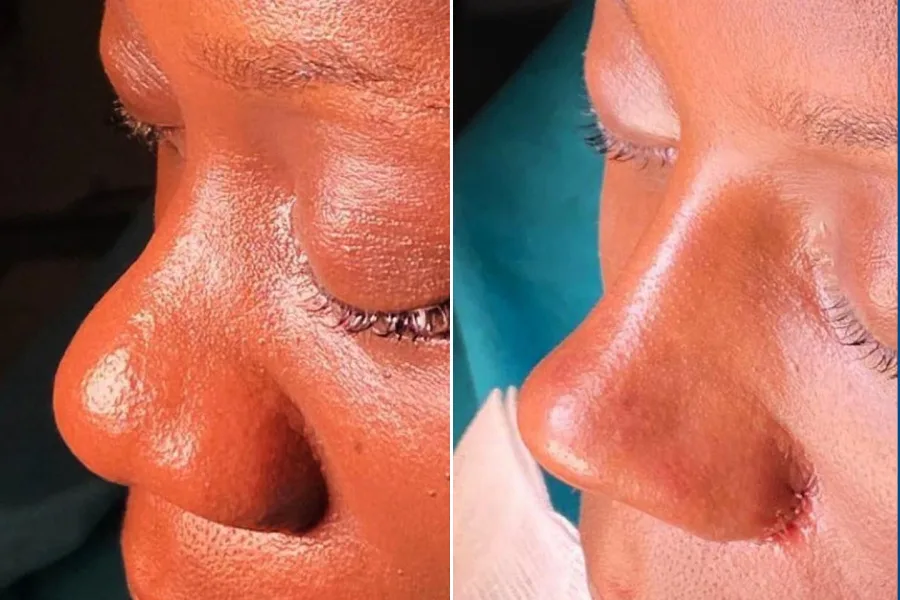
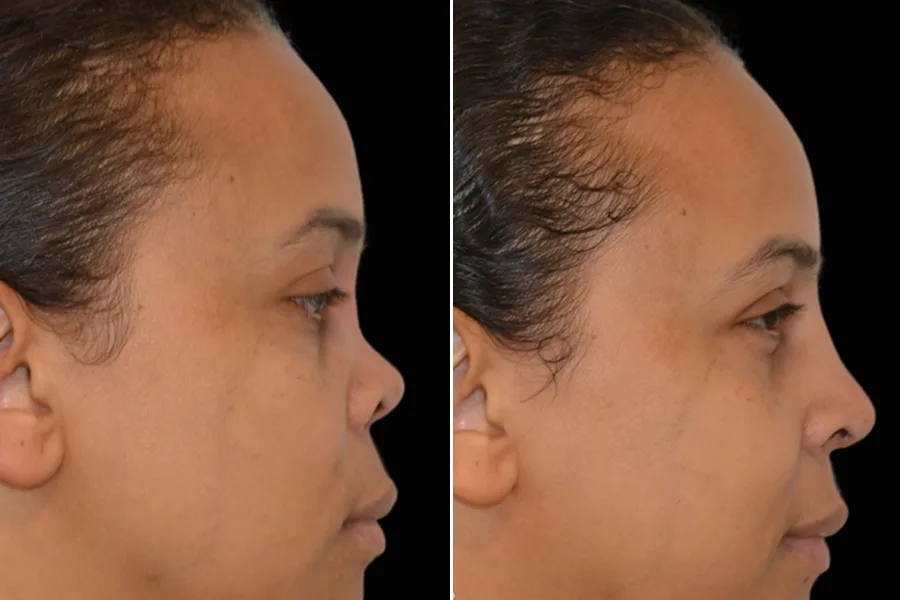
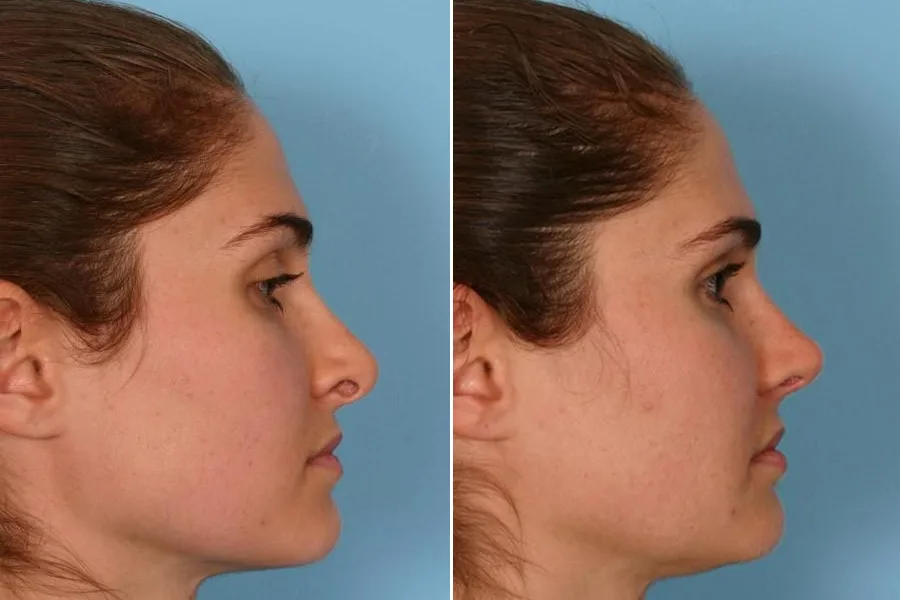
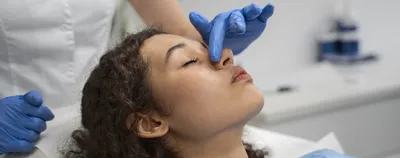
Revision rhinoplasty is a secondary nose surgery performed to improve the appearance, function, or both after a previous rhinoplasty. It is usually considered when the first procedure did not fully achieve the desired result, or when healing, scar tissue, or structural changes led to breathing problems, asymmetry, collapse, or other concerns.
This procedure is often more complex than an initial rhinoplasty because the nasal tissues have already been altered. The surgeon may need to reshape cartilage, rebuild support, or use cartilage grafts from the nose, ear, or rib to correct the problem. Revision rhinoplasty is tailored to each person’s anatomy and goals, with careful planning to restore balance, stability, and nasal airflow.
Revision rhinoplasty is intended for people who have already had a nose surgery but are unhappy with the result, or continue to have functional problems after healing. This procedure is often most suitable for:
A detailed consultation with an experienced surgeon is important to evaluate scar tissue, nasal support, and whether revision rhinoplasty is the right option.
Revision Rhinoplasty is a secondary nose surgery performed to correct problems that remain after a previous rhinoplasty, or to improve changes that developed during healing. It may be done for cosmetic reasons, functional breathing problems, or both. Because the nose has already been operated on, the procedure is usually more complex than a first rhinoplasty. Scar tissue, altered anatomy, weakened cartilage support, and limited available tissue often mean that the surgeon must work very carefully and may need to rebuild parts of the nose using cartilage grafts.
The process begins with a thorough review of your previous nasal surgery, current concerns, breathing symptoms, and healing history. The surgeon examines the outside shape of the nose as well as the internal structures, including the septum, valves, and airway. Standard photographs are usually taken, and in some cases imaging or nasal endoscopy may be recommended. This step is especially important in revision cases because the surgeon must identify what was changed before, what support is missing, and what can realistically be improved while keeping the nose stable and natural-looking.
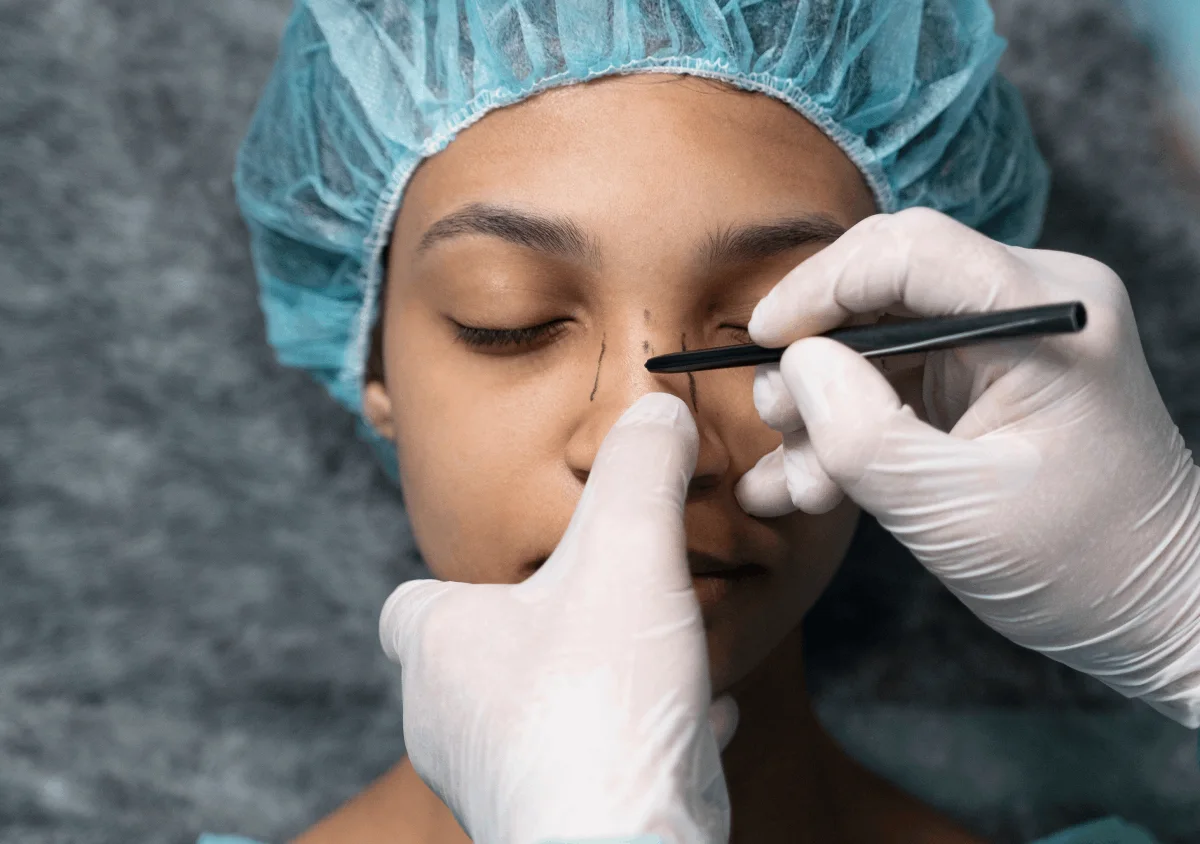
Revision rhinoplasty is most often performed under general anesthesia, although selected cases may be done with deep sedation and local anesthesia. Before surgery, the treatment plan is reviewed carefully, including the areas to be corrected and whether graft material may be needed from the septum, ear, or rib. On the day of the procedure, the nose is marked, the face is cleaned, and medications may be given to reduce bleeding and support comfort during recovery.
The surgeon then accesses the nasal framework using either a closed approach (incisions inside the nostrils) or, more commonly in revision surgery, an open approach with a small incision across the columella between the nostrils. The skin is lifted carefully to expose the underlying cartilage and bone. This stage can take time because revision surgery often involves dense scar tissue and distorted anatomy. Gentle dissection helps protect the blood supply and allows the surgeon to clearly see what support remains and where correction is needed.
Once the nose is exposed, the surgeon addresses the specific issues from the previous operation. This may include straightening a crooked nose, smoothing irregularities, narrowing or rebuilding the tip, correcting asymmetry, or improving a pinched or collapsed area. If breathing is affected, the surgeon may also repair the septum or internal nasal valves. In many revision cases, the goal is not simply to remove tissue, but to reconstruct support so the nose functions well and holds its shape over time.
Cartilage grafting is common in revision rhinoplasty. If enough septal cartilage is still available, it may be used first. If not, cartilage can be taken from the ear or, in more complex cases, from the rib. These grafts are shaped and placed to strengthen weak areas, improve contour, open the airway, or rebuild parts of the bridge and tip. Grafts are often essential in revision surgery because previous rhinoplasty may have removed too much cartilage, leaving the nose less stable than before.
After the corrections are completed, the skin is redraped and the incisions are closed with fine sutures. A small external nasal splint is usually placed to protect the new shape during the first stage of healing. Some patients also need soft internal supports or packing, depending on the work performed inside the nose. Swelling and bruising are expected, and they may last longer than after a primary rhinoplasty. Follow-up visits are important so the surgeon can monitor healing, remove splints or sutures, and check both appearance and breathing. Although early improvement is visible within weeks, the final result often takes many months, and sometimes up to a year or more, as swelling gradually settles.
Recovery after revision rhinoplasty is often more gradual and less predictable than recovery after a first nose surgery, because the tissues may be scarred, the skin can be tighter or thinner, and cartilage grafts are sometimes used to rebuild support. Most patients can expect an initial healing period of a few weeks, followed by a much longer phase of subtle refinement as swelling slowly settles. Understanding the usual timeline can help you plan travel, work, social activities, and follow-up visits with realistic expectations.
During the first few days, it is normal to have swelling, congestion, pressure, and mild to moderate discomfort. If osteotomies or grafting were performed, bruising around the eyes and cheeks is also common. A splint is usually placed on the nose, and some patients may have internal supports or soft packing depending on the technique used. Breathing through the nose often feels limited at first because of internal swelling. Keeping your head elevated, using cold compresses around the eyes as advised, taking prescribed medications, and avoiding bending or heavy activity can help reduce early swelling and discomfort.
Swelling and bruising usually peak within the first few days and then begin to improve. Many patients return to the clinic around day 5 to 7 for splint removal, although timing can vary. Once the splint comes off, the nose may look more swollen than expected, especially at the tip, and this is completely normal after revision surgery. You may also notice numbness, stiffness, and uneven swelling from one side to the other. Most people feel well enough for light daily activities within a week, but the nose remains delicate, so glasses, pressure on the bridge, and accidental bumps should be avoided unless your surgeon says otherwise.
By the second to fourth week, bruising has usually faded significantly, and much of the obvious facial swelling has improved. Many patients feel comfortable returning to work, social settings, and non-strenuous routines during this stage, especially if their job does not involve physical exertion. Even so, the nose often still feels firm, puffy, and congested, and the final shape is not yet visible. Internal healing continues beneath the surface, and the tip commonly remains swollen longer than the bridge. Gentle walking is usually fine, but strenuous exercise, contact sports, swimming, and anything that raises blood pressure significantly should still be limited until cleared by your surgeon.
This stage is when many patients start to see clearer improvement, but it is also when patience becomes especially important. After revision rhinoplasty, swelling can resolve unevenly and more slowly than after primary surgery. The bridge may look improved earlier, while the tip, sidewalls, or grafted areas can stay full for longer. Breathing often continues to improve as internal swelling decreases, although temporary dryness or crusting may still occur. Your surgeon may recommend saline sprays, scar care, taping, or other measures depending on your anatomy and the type of revision performed. Follow-up visits are important so healing can be monitored and any concerns addressed early.
The most meaningful part of recovery after revision rhinoplasty is the long-term settling phase. While you may look socially presentable much earlier, final definition can take 6 to 12 months, and in some complex cases even longer, especially in the nasal tip or when thick skin, scar tissue, or structural grafts are involved. Small changes continue over time as swelling softens and the tissues adapt to their new framework. It is important not to judge the final result too early. Protecting the nose from trauma, avoiding smoking, following all aftercare instructions, and attending scheduled reviews all support a smoother recovery and a more stable outcome.
Türkiye has become a well-regarded destination for revision rhinoplasty, offering access to experienced facial plastic surgeons, advanced surgical planning, and more accessible pricing than many countries in Europe or North America. Patients seeking a second or corrective nose surgery often need a team that understands both the cosmetic and functional challenges of a previously operated nose. In Türkiye, many clinics are familiar with these complex cases and provide a structured process that supports careful evaluation, realistic planning, and close follow-up.
Revision rhinoplasty is usually more demanding than a first nose operation, because scar tissue, altered anatomy, breathing problems, or loss of structural support can make surgery technically difficult. Many Turkish clinics use detailed facial analysis, high-resolution imaging, and 3D simulation tools to assess nasal shape, skin thickness, symmetry, and airway concerns before surgery. This level of planning is especially important for international patients, because it helps clarify what can realistically be improved and whether cartilage grafts from the septum, ear, or rib may be needed. A thorough consultation also helps identify whether the main goal is aesthetic refinement, functional correction, or both.
Beyond the operation itself, many patients value the practical support available during recovery. Revision rhinoplasty often requires patience, because swelling can last longer than in primary surgery and final definition may take time to appear. Clinics in Türkiye commonly provide guidance on sleeping position, nasal cleaning, activity restrictions, and when to return for check-ups or remote review. This aftercare matters, because long-term results depend not only on surgical skill, but also on tissue healing, airway stability, and how well the nose is supported during recovery.
Türkiye's strong position in the health tourism market reflects years of investment in private hospitals, international patient coordination, and high-volume surgical experience. By welcoming patients from many parts of the world each year, the country has built a reputation for organized care, accessible treatment pathways, and dependable support for complex procedures. For people considering revision rhinoplasty abroad, this combination of expertise, planning, and medical tourism experience makes Türkiye a trusted and practical choice.
Get a tailored average price for your needs.
Medical Reviewer
Writer
Guides and insights connected to this treatment.
Complete the form in less than 2 minutes.
Offers are prepared by verified clinics without sharing your personal information.
Review transparent pricing and package details side-by-side.
Appointments, transfers, accommodation, and city tours are organized for you.
Receive and compare treatment offers from top clinics within minutes—no waiting list.
Keep your budget under control with all-inclusive packages, free from hidden extra costs.
From flight booking to full recovery, get dedicated guidance whenever you need assistance.
Botan
Personal Heal Road Manager
From Discovery
to Recovery
with you, every step of the journey
Share a few details and we’ll get back to you with the best options.
WhatsApp quick contact